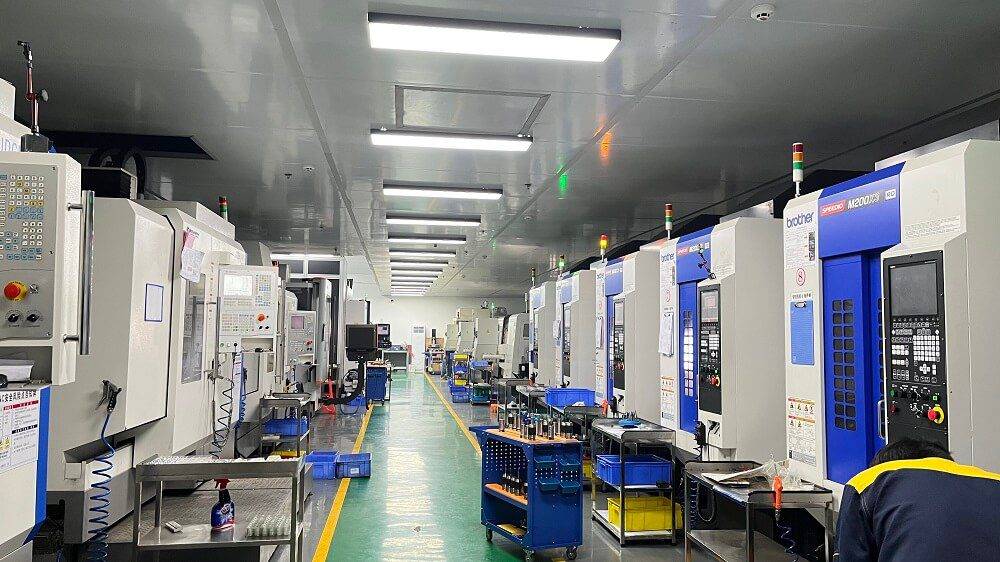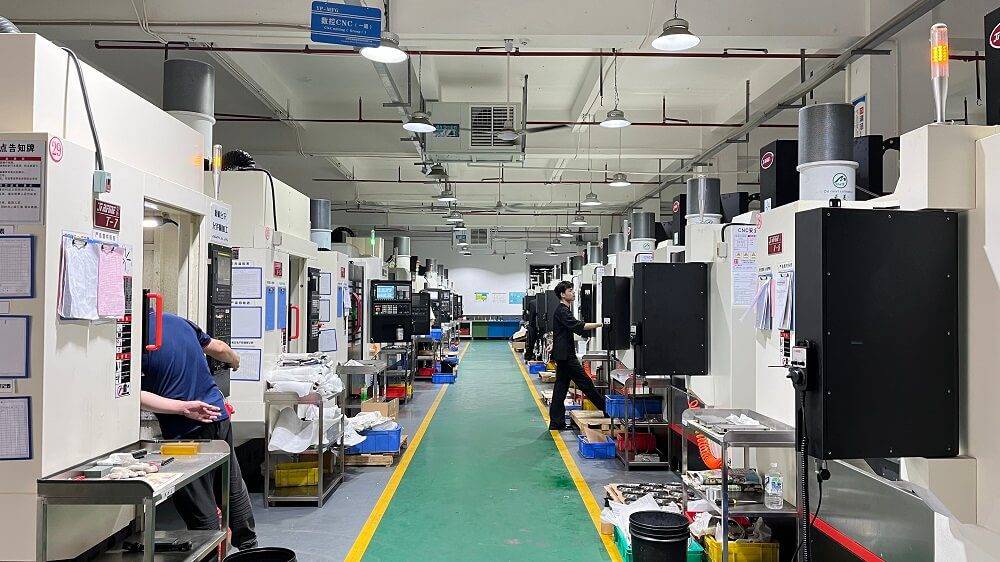
Getting a precise CNC machining quote quickly is essential for keeping your project on schedule and within budget. Based on real-world manufacturing data,the speed and accuracy of your CNC quote depend almost entirely on three factors: the completeness of your technical drawings, the clarity of your material and tolerance specifications, and the responsiveness of the quoting method you choose.
This guide provides a step-by-step, actionable approach to obtaining reliable CNC quotes, based on common industry practices and verified manufacturing standards.
01Prepare Your Technical Package Before Requesting a Quote
A complete technical package is the single most important factor in receiving an accurate quote on the first attempt. Missing or unclear information is the primary cause of quote delays and cost overruns.
Your technical package must include:
3D CAD File: Industry-standard formats include STEP (.stp) or IGES (.igs). These files contain the complete geometric data of your part.
2D Technical Drawing (PDF): This drawing must clearly indicate:
Critical dimensions with tolerances (e.g., ±0.005 inches or ±0.13 mm)
Geometric Dimensioning and Tolerancing (GD&T) symbols where required
Surface finish requirements (e.g., Ra 32 µin or 0.8 µm)
Material specification with grade (e.g., AL6061-T6, SS304, POM)
Special instructions (e.g., “no burrs allowed on threaded holes”)
> Industry Standard Reference: ASME Y14.5-2018 for dimensioning and tolerancing, and ISO 2768 for general tolerances when not specified.
02Select the Right Quoting Method for Your Needs
Based on common manufacturing workflows, there are three primary methods to obtain CNC quotes. Your choice directly impacts turnaround time.
Common case example: A design engineer requested quotes for a simple 6061 aluminum bracket from three different machine shops. Using an automated quoting platform, they received a price within 2 minutes. For the same part, email-based quoting took 48 hours. The automated quote was 15% lower because the system immediately optimized the toolpath.
03Provide Complete Information to Avoid Quote Revisions
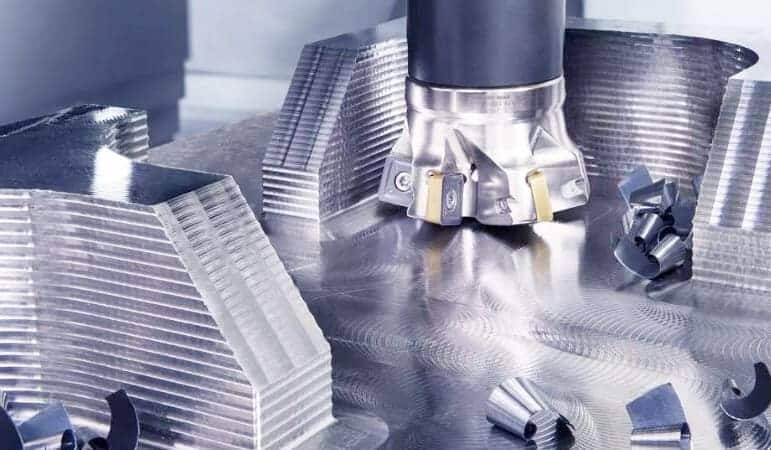
Incomplete requests are the #1 reason for quote delays. Based on analysis of rejected quote requests, the following missing items cause 80% of revision requests:
Material grade not specified (e.g., writing “aluminum” instead of “AL6061-T6”)
Missing tolerances on critical mating surfaces
No surface finish requirement
Unclear thread specifications (e.g., “M6 thread” without specifying depth or class)
No quantity – per-unit price varies significantly by volume
Action step: Before submitting any quote request, use this five-point checklist:
1. [ ] Material grade and temper are specified
2. [ ] Critical tolerances are called out on the 2D drawing
3. [ ] Surface finish (if required) is noted
4. [ ] Quantity is clearly stated
5. [ ] File format is STEP or IGES
04Understand the Three Cost Drivers in Every CNC Quote
Every CNC quote is calculated based on three verifiable components. Understanding these helps you identify potential cost savings.
Component 1: Material Cost (15-25% of total)
Raw material price + offcut waste
Savings tip: Use standard stock sizes (e.g., 1-inch thick plate instead of 0.95 inches)
Component 2: Machining Time (50-65% of total)
Machine rate per hour ($75-$150/hour for 3-axis CNC)
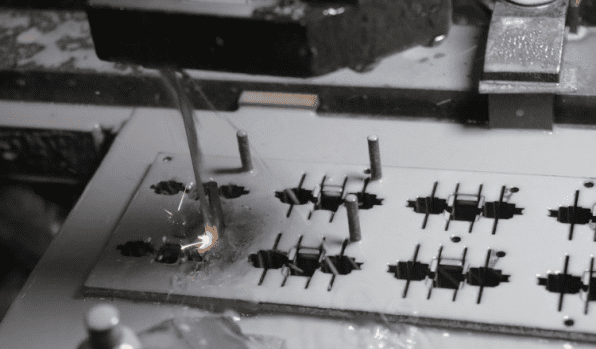
Savings tip: Reduce non-critical features. Every additional pocket or hole adds time.
Component 3: Setup & Tooling (15-25% of total)
Fixture design and tool changes
Savings tip: Design parts that can be machined in one or two setups
> Verified industry data (2025): For a typical 100-piece run of a 4-inch aluminum part, setup cost represents approximately $250-$400, while per-part machining time cost ranges from $8 to $18.
05Common Mistakes That Inflate CNC Quotes
Based on actual shop floor data, these five design choices consistently result in higher-than-necessary quotes:
Common case example: Two versions of a mounting plate were quoted. Version A had sharp internal corners and tight tolerances on all 12 dimensions. Quote: $890. Version B added 1mm fillets and loose tolerances (±0.010 in) on non-critical dimensions. Quote: $445. Same material, same quantity – 50% savings from simple design changes.
06How to Compare Quotes Correctly
Never compare only the bottom-line price. Use this structured comparison table:
Rule of thumb: If two quotes are within 20% of each other, the higher quote with a shorter lead time and full inspection report is often the better value.
07Actionable Checklist for Your Next CNC Quote Request
Follow this sequence to minimize delays and maximize quote accuracy:
Step 1 – Design Review (15 minutes)
Remove unnecessary tight tolerances
Add fillets to internal corners
Specify material grade exactly
Step 2 – Document Preparation (10 minutes)
Export STEP file (not STL – STL files lack precision)
Create 2D PDF drawing with critical callouts
Write a plain-text email with: part name, quantity, material, surface finish, and required lead time
Step 3 – Submission (5 minutes)
Submit through automated quoting platform for fastest results
For email quotes, include “CNC Quote Request – [Part Name] – Qty [X]” in subject line
Attach both STEP and PDF files
Step 4 – Follow-up (If no response within stated timeframe)
Send one polite follow-up email after 24 hours
Do not send multiple follow-ups – it signals urgency that may inflate the quote
08Summary: Core Principle of Successful CNC Quoting
The most accurate and fastest CNC quote comes from a complete, unambiguous technical package. Based on industry best practices, a quoting request that includes:
A STEP file + 2D drawing
Specified material grade and tolerances
Clear quantity and surface finish requirements
…will receive a usable quote 3-5x faster than an incomplete request, and the quoted price will be within 10-15% of the final invoice.
Final action recommendation: Before your next CNC project, prepare your technical package using the five-point checklist in Section 3. Then submit through an automated quoting system for the fastest turnaround. If your part has complex tolerances, use email-based quoting and include a fully dimensioned 2D drawing. Always request a design-for-manufacturing (DFM) feedback report with your quote – this is typically provided free of charge and helps you reduce costs on future orders.