Quick answer:
Asia remains the most active region for CNC machining services because it combines competitive labor costs, high manufacturing density, and mature supply chains. Buyers typically choose Asian shops to reduce unit costs, access a wide range of CNC milling and turning capabilities, or scale production without relocating their entire supply base. The trade-off is often longer lead times, language barriers, and the need for stricter quality verification.
Sourcing CNC machining services in Asia is rarely about finding the cheapest shop. It is about balancing cost, technical capability, and supply chain reliability. Many engineering teams face rising domestic costs, limited capacity during peak seasons, or a need for specialized materials that local shops cannot easily support. This article explains how Asian CNC manufacturing actually works, what buyers should check before ordering, and how to avoid common sourcing mistakes.
Why Asia Dominates CNC Machining Sourcing
Asia handles a large share of global precision manufacturing because the ecosystem is deeply developed. Countries such as China, Taiwan, South Korea, Japan, and Thailand have decades of experience in CNC parts manufacturing. This means suppliers often understand tolerances, surface finishes, and material behavior better than newer markets.
The main reasons buyers look to Asia include:
Lower labor and overhead costs compared with North America and Western Europe
High concentration of CNC machine shops in industrial clusters
Wide availability of materials, including aerospace-grade alloys and engineering plastics
Experience supporting prototyping and low-volume production
Established export logistics and documentation processes
These advantages do not mean every Asian supplier is suitable for your project. Capability varies widely between regions, factories, and even production lines.
How CNC Machining Costs Vary Across Asian Markets
CNC machining cost Asia is not a single number. Pricing depends on machine type, material, tolerance class, surface treatment, and order volume. Buyers often assume all Asian shops charge the same, but market segments differ significantly.
Cost should not be the only decision factor. A low quote often reflects thinner margins, older machines, or looser quality control. When evaluating CNC machining quotes, always compare machine age, inspection reports, and material certifications.
Key CNC Capabilities Buyers Should Verify
Not all CNC machining services offer the same technical range. Some shops focus on basic 3-axis milling, while others run 5-axis centers, multi-axis turning, and Swiss-type lathes. Understanding what your project actually needs prevents costly rework later.
Common capabilities include:
3-axis CNC milling for general brackets, housings, and plates
5-axis CNC machining for complex geometries and single-setup parts
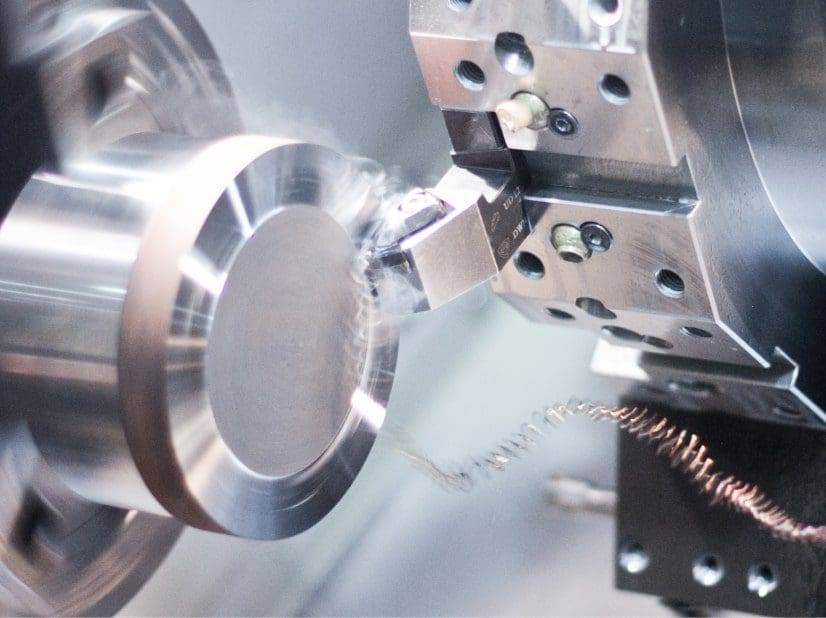
CNC turning and Swiss machining for shafts, pins, and cylindrical components
Multi-axis combined centers for parts that need milled and turned features
Secondary operations such as surface treatment, threading, tapping, and assembly
When reviewing a supplier’s profile, check whether they can machine your target material and hold your required tolerance class. Many quoted prices assume mild steel or aluminum 6061. Harder materials, such as stainless steel, titanium, or Inconel, often require different tooling, slower feeds, and higher costs.
Material and Tolerance Considerations for Asian Shops
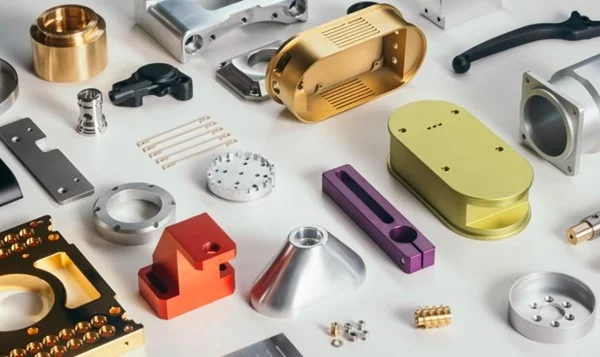
Material selection and tolerance requirements directly affect both price and lead time. Asian CNC machining suppliers typically work with standard industrial materials, but exotic alloys may require special sourcing or approval.
Commonly machined materials include:
Aluminum 6061 and 7075
Stainless steel 304 and 316
Mild steel and tool steels
Brass and copper alloys
Engineering plastics such as PEEK, PTFE, and nylon
Tolerance expectations also vary by application. General machining often targets ±0.05 mm to ±0.1 mm. Precision CNC components may require ±0.01 mm or tighter, especially for fit-critical assemblies. If your drawing specifies tight tolerances, ask the supplier to confirm their machine calibration process and inspection capability before ordering.
Quality Control and Inspection Standards
Quality control is where many sourcing projects succeed or fail. Reliable CNC machining services Asia providers should offer clear inspection documentation, not just a final picture. Buyers should expect measurable proof that parts meet drawing requirements.
Standard quality documents include:
First Article Inspection reports
Dimensional inspection data with calibrated equipment
Material certificates or mill test reports
Surface finish verification
Process control records for batch production
Some projects also require ISO 9001 certification or industry-specific standards. Automotive buyers often look for IATF 16949 compliance. Medical and aerospace buyers may need additional traceability. Always verify that the supplier’s quality system matches your regulatory or customer requirements.
Lead Time and Production Planning Realities
Lead time is often misunderstood in global CNC machining sourcing. A short quoted lead time does not guarantee fast delivery if material procurement, machine scheduling, or quality checks create bottlenecks.
Typical lead time factors include:
Material availability and import status
Machine center workload and scheduling priority
Complexity of part geometry
Required surface treatment or secondary operations
Inspection and documentation preparation
For prototype orders, many Asian shops can deliver within 5 to 15 working days. Production runs depend heavily on quantity and process stability. Rush orders often carry premium fees and higher quality risk. Early planning and clear specification files usually produce more reliable schedules than last-minute requests.
Communication and Documentation Best Practices
Clear communication reduces errors more than any single technical improvement. CNC machining services Asia suppliers often handle many international buyers, so documentation quality directly affects how smoothly a project runs.
Strong project files typically include:
Complete 2D drawings with GD&T where necessary
Clear 3D CAD models in standard formats
Material and heat treatment specifications
Surface finish and coating requirements
Packaging and labeling instructions
Using standardized file naming and version control helps prevent mismatches between engineering and production teams. If possible, confirm that your supplier has engineers who can read your drawings and ask technical questions before cutting metal.
Common Sourcing Mistakes to Avoid
Buyers often repeat the same mistakes when ordering CNC machining services from Asia. Recognizing these patterns early can save significant time and money.
Frequent issues include:
Selecting a supplier only on price without checking capability
Sending incomplete drawings and assuming the shop will interpret gaps
Ignoring material certification requirements for regulated industries
Overlooking surface treatment compatibility with your assembly
Skipping sample approval before full production
Assuming quality control is automatic rather than verified
A disciplined sourcing process usually prevents most of these problems. Define your non-negotiable requirements first, then evaluate suppliers against those criteria.
How to Evaluate a CNC Machining Supplier
Evaluating CNC machining suppliers Asia requires a structured approach. Technical capability, quality systems, and communication style all matter. A quick quote comparison is rarely enough.
Use this checklist when reviewing potential partners:
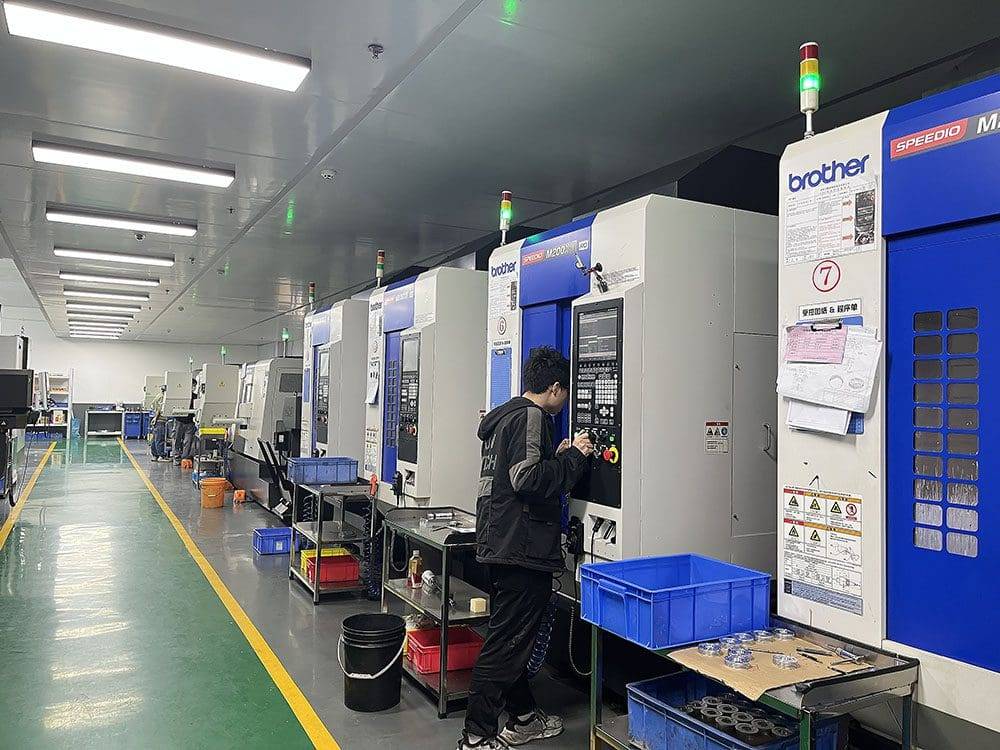
Confirm machine types and axis configurations
Ask for recent inspection reports on similar parts
Verify material sourcing and certification process
Check whether they support your required tolerances
Review communication responsiveness during the quoting stage
Understand their policy on revisions,defects, and rework
Assess whether they can handle your volume and lead time needs
YPMFG supports buyers who need engineering evaluation, custom CNC machining solutions, and clear technical communication. You can send your specifications to YPMFG for review and receive practical feedback before committing to production.
Practical Questions Before Choosing a Supplier
Buyers usually have several overlapping concerns when sourcing internationally. The following questions address the most common decision points for CNC machining services Asia.
What is the realistic minimum order quantity for CNC parts?
Many shops accept small prototype orders, but pricing improves with volume. Some suppliers set minimum charges per setup rather than strict part counts.
Can Asian CNC shops handle tight tolerances reliably?
Yes, when the supplier uses calibrated equipment and proper inspection methods. Always verify capability for your specific tolerance class before ordering.
How should I protect my designs and intellectual property?
Use NDAs, limit file sharing to necessary parties, and work with suppliers who have clear IP policies. Reputable shops understand the importance of design confidentiality.
What happens if parts fail inspection?
A reliable supplier will explain their rework and replacement process upfront. Clear defect handling policies reduce risk for both sides.
Is it better to visit the factory before ordering?
Factory visits help verify capability and quality culture, but they are not always required. Video tours and detailed documentation can also provide useful visibility.
How do I compare quotes fairly?
Compare machine type, material certification, inspection process, and tolerance capability, not just unit price. Different technical approaches often produce very different long-term costs.
Choosing the Right CNC Machining Partner for Your Project
Sourcing CNC machining services Asia works best when buyers focus on capability, quality systems, and clear communication rather than price alone. The right partner should understand your drawing requirements, confirm material and tolerance feasibility, and provide verifiable inspection documentation.
YPMFG offers CNC machining services focused on practical engineering support, clear technical feedback, and reliable production execution. If you are comparing options or need help interpreting your specifications, you can request a technical review or send your drawings to YPMFG for evaluation.