
Quick answer:
Yes, you can CNC machine plexiglass, but success depends on using the right tool geometry, spindle speed, feed rate, and cooling method. Plexiglass, also known as acrylic or PMMA, is a thermoplastic that melts easily under friction. Without proper parameters, the material can crack, chip, or develop melted edges. For most CNC applications, single-flute or O-flute carbide end mills, moderate spindle speeds, and consistent chip evacuation are required. Understanding how plexiglass behaves under cutting forces is essential for producing clean, transparent edges and maintaining dimensional accuracy.
If you are sourcing CNC machined plexiglass parts for prototypes or production runs, the machining approach must be adapted to the grade, thickness, and intended finish of the acrylic material.
Understanding Plexiglass for CNC Machining
Plexiglass is a brand name for cast or extruded acrylic sheet. It is lightweight, optically clear, and more impact-resistant than glass. However, it is also brittle in thin sections and prone to thermal softening.
The key difference between cast and extruded acrylic matters for CNC work. Cast acrylic machines cleaner because it has a higher molecular weight and better thermal stability. Extruded acrylic is softer and more likely to melt or produce fuzzy edges.
For plexiglass CNC machining, the material grade directly affects achievable tolerances and surface finish. If optical clarity is required after machining, cast acrylic is the preferred choice.
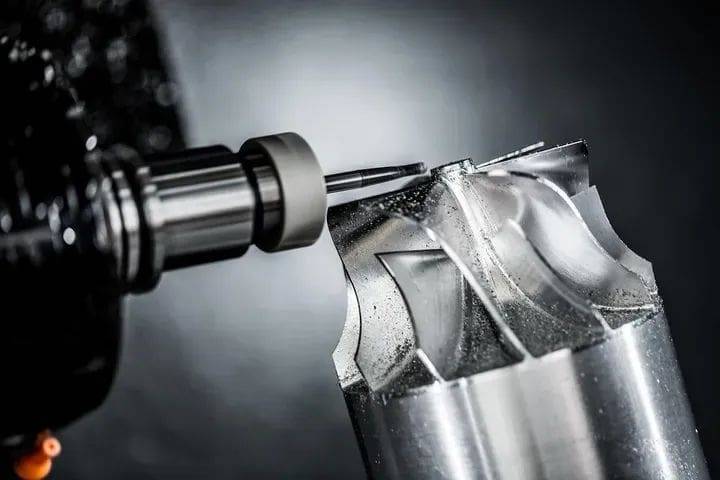
Recommended CNC Machine Parameters for Plexiglass
Getting the right parameters prevents heat buildup and edge chipping. The following values are a starting point and should be adjusted based on material thickness and tool diameter.
These parameters help achieve a polished edge in many cases without secondary flame polishing. If your application requires tight tolerances, testing on scrap material is recommended.
YPMFG supports clients by reviewing part geometry and recommending machining parameters before production begins. You can send your specifications for an engineering evaluation to confirm optimal toolpaths.
Tool Selection: Which End Mills Work Best
Standard two-flute or four-flute end mills are not ideal for plexiglass. They generate more friction and trap chips, which leads to heat buildup.
The best choice is a single-flute carbide end mill or an O-flute end mill. These tools have a large flute area that allows chips to evacuate quickly. Less chip contact means less heat, and less heat means cleaner cuts.
For drilling, use a drill bit with a 60-degree point angle and a polished flute. Standard twist drills can cause cracking at the hole exit.
For contouring and 3D profiling, a ball-nose end mill with a single flute is effective for reducing tool marks.
Cooling and Chip Evacuation
Plexiglass does not require flood coolant. In fact, thermal shock from coolant can cause cracking. Instead, use compressed air or a mist system for cooling.
Air blast serves two purposes: it removes chips from the cutting zone and keeps the tool temperature stable. If chips remain in the cut, they can melt and re-weld to the surface.
For deep pockets or slots, a pecking cycle helps clear chips and prevents the tool from packing material. This is especially important when machining thicker acrylic sheets.
Common Machining Defects and How to Avoid Them
Even experienced shops can encounter defects when machining plexiglass. Here are the most common issues and their causes:

Edge melting or cloudiness – caused by excessive spindle speed or dull tools. Reduce RPM or switch to a sharper single-flute tool.
Cracking or chipping at corners – caused by aggressive feed rates or sharp internal corners. Add corner radii where possible.
Fuzzy edges – caused by using extruded acrylic or incorrect tool geometry. Use cast acrylic and an O-flute end mill.
Tool chatter – caused by insufficient rigidity or excessive depth of cut. Reduce depth or use a shorter tool length.
Burn marks – caused by dwell or slow feed. Maintain continuous motion and avoid stopping the feed while the tool is engaged.
If you are experiencing any of these issues, a review of the CNC machining parameters and tool selection is the first step toward resolution.
Design Considerations for CNC Plexiglass Parts
Designing parts for plexiglass requires attention to stress concentration points. Sharp internal corners are a common failure location. Adding a minimum 0.5 mm radius can significantly reduce cracking risk.
Hole spacing should be at least twice the material thickness to prevent web breakage. For thin sections under 3 mm, consider increasing wall thickness or adding ribs for support.
If the part will be used in a high-vibration environment, thicker material or a different acrylic grade may be necessary.
YPMFG offers design-for-manufacturing feedback for plexiglass parts. Engineering review before quoting helps identify potential cracking points and suggest geometry changes that improve reliability.
Questions Buyers Often Ask About CNC Machining Plexiglass
Can plexiglass be machined on a standard CNC router?
Yes, a standard CNC router with a high-speed spindle and proper dust collection can machine plexiglass. The key is using the correct tool and feed rate to prevent melting. Most hobby-grade routers work fine for thin sheets.
What is the best end mill for cutting plexiglass?
A single-flute or O-flute carbide end mill is the best choice. These tools reduce friction and allow chips to escape. Standard two-flute tools increase heat and often cause melted edges.
Does plexiglass need coolant when CNC machining?
No. Flood coolant is not recommended. Compressed air or a light mist is sufficient to keep the tool cool and clear chips. Thermal shock from coolant can crack the material.
How do you get a clear edge on CNC-cut plexiglass?
A clear edge is achieved by using a sharp single-flute tool, moderate spindle speed, and consistent feed rate. For optical clarity, flame polishing or vapor polishing may still be needed after machining.
Can you tap threads into plexiglass?
Yes, but with caution. Use a thread-forming tap instead of a cutting tap. Thread depth should be limited to 1.5 times the material thickness. Over-tapping can cause cracking.
What thickness of plexiglass is easiest to CNC machine?
Thicknesses between 3 mm and 12 mm are the most forgiving. Thinner sheets require careful fixturing to avoid vibration. Thicker sheets need slower feeds and multiple passes.
Is CNC machined plexiglass food-safe?
Acrylic is generally food-safe, but the machining process can leave sharp edges or micro-cracks. For food-contact applications, specify cast acrylic and request edge finishing.
How much does CNC machining plexiglass cost?
Cost depends on part complexity, material grade, thickness,and quantity. Simple 2D parts in thin sheet are lower cost. Complex 3D profiles or thick blocks with tight tolerances increase machining time.
Choosing the Right CNC Partner for Plexiglass Projects
Successful plexiglass CNC machining requires more than just a machine. It requires experience with plastic machining behavior, correct tool selection, and process control to avoid thermal damage.
When evaluating a CNC service provider, ask about their experience with acrylic materials, the tooling they use for clear parts, and whether they offer design review before production.
YPMFG provides engineering support for plexiglass projects, including material grade recommendation, toolpath optimization, and post-machining finishing options. You can submit your part drawings or specifications for a free engineering evaluation and quote.