
Quick answer:
Yes, you can machine plexiglass on a CNC machine, but success depends on using the right tooling, feeds, and cooling methods. Plexiglass, also known as acrylic or PMMA, is a thermoplastic that chips, melts, or cracks easily under poor machining conditions. The key to clean cuts and polished edges lies in controlling heat and chip evacuation. For buyers sourcing CNC machined plexiglass parts, understanding the material’s behavior and the machining setup is critical to avoid rejections, rework, and wasted material.
Plexiglass offers optical clarity, weather resistance, and lightweight strength, but it is not as forgiving as metal or standard plastics. Engineers and procurement professionals often discover this only after receiving damaged parts or inconsistent finishes. Whether you are prototyping a display case or producing panels for aerospace interiors, the choice of CNC machine parameters and cutting tools directly affects part quality and project cost.
What Is a Plexiglass CNC Machine?
A plexiglass CNC machine is not a separate category of equipment. It is any CNC router, mill,or laser cutter configured to cut, engrave, or drill plexiglass (acrylic) sheets or blocks. The term refers to the application rather than a specific machine model. Three common machine types handle plexiglass:
CNC routers – most common for sheet cutting
CNC mills – used for 3D shapes and thicker blocks
CNC lasers – produce polished edges but may cause thermal stress
Each machine type requires different feed rates, spindle speeds, and tool geometries to avoid melting or chipping. Your choice should match your part geometry, tolerance requirements, and production volume.
Why Machining Plexiglass Is Different from Metal
Plexiglass behaves differently under cutting forces than aluminum or steel. It has low thermal conductivity, meaning heat builds up at the cutting edge. If the heat is not removed, the material softens, melts, or forms white stress marks around cut areas.
Key differences include:
Chip formation – plexiglass produces long, stringy chips that can wrap around tools
Edge quality – dull tools cause chipping or cracking at exit points

Thermal expansion – localized heat can distort thin sections
Clamping pressure – too much force causes cracking; too little causes vibration
These factors mean that simply transferring metal machining settings to plexiglass will likely produce poor results. A dedicated setup with sharp carbide tools and proper cooling is required.
Recommended Plexiglass Machining Parameters
The following table provides starting parameters for CNC milling and routing of plexiglass. These values should be verified with a test cut on your specific material grade and thickness.
These parameters are starting points. Actual values depend on your machine rigidity, tool condition, and plexiglass grade. Always run a test piece before production.
Common Plexiglass Machining Problems and How to Avoid Them
Even with correct parameters, problems can arise. Here are the most frequent issues buyers and manufacturers encounter:
Melting and gumming – caused by excessive heat or dull tools. Use sharp carbide end mills and increase feed rate to keep chips moving.
Edge chipping – occurs when the tool exits the material. Use climb cutting, reduce stepover, or add a sacrificial backing board.
Stress whitening – white marks near cut edges indicate thermal or mechanical stress. Lower spindle speed and apply mist cooling.
Cracking – often from clamping pressure or thermal shock. Use soft jaw inserts and allow material to cool between passes.
Poor finish – visible tool marks or rough surfaces. Switch to a polished single flute tool and reduce depth of cut.
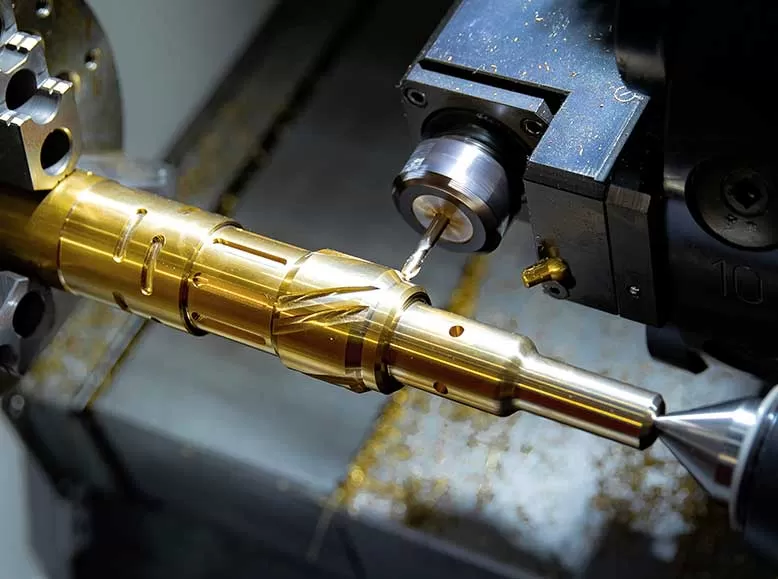
Addressing these issues early saves time, material, and rework costs.
How to Choose a CNC Service for Plexiglass Parts
If you are outsourcing plexiglass CNC machining, the service provider’s experience with thermoplastics matters more than their general CNC capability. Ask the following questions before placing an order:
Do you use sharp carbide or diamond-coated tools for acrylic?
What cooling method do you use during cutting?
Can you provide a test cut before full production?
Do you offer edge polishing or flame finishing?
What is your tolerance capability for thin-walled sections?
A provider familiar with plexiglass CNC machining will answer these clearly and may offer recommendations for material selection, nesting, and finishing.
Questions Buyers Often Ask About Plexiglass CNC Machining
Can plexiglass be machined on a standard CNC router?
Yes, as long as the router has variable speed control and a rigid frame. High-speed spindles without speed adjustment can generate too much heat and cause melting.
What is the best tool for cutting plexiglass on a CNC machine?
A single or double flute carbide end mill with a polished flute surface. Coated tools such as diamond-like carbon (DLC) also reduce heat buildup and extend tool life.
Does plexiglass crack during CNC machining?
It can, especially near thin edges or under high clamping pressure. Using soft jaw inserts, reducing feed rate, and applying proper cooling significantly lowers the risk.
Can you tap threads into plexiglass?
Yes, but thread depth should be at least 1.5 times the diameter. Use a sharp tap and lubricant. Avoid forming taps, as they can stress the material and cause cracking.
Is laser cutting better than CNC routing for plexiglass?
Laser cutting produces polished edges without secondary finishing, but it can cause thermal stress and edge discoloration. CNC routing offers tighter tolerances and is better for thicker material.
What tolerance can be achieved on plexiglass CNC parts?
Typical tolerances are ±0.005 inches for general parts and ±0.002 inches for precision features. Tighter tolerances require careful temperature control and rigid fixturing.
Does plexiglass require post-machining finishing?
Often yes. Machined edges may show tool marks or slight haze. Flame polishing, sanding, or chemical vapor polishing can restore optical clarity.
Can plexiglass parts be bonded after CNC machining?
Yes. Acrylic-based adhesives, solvent welding, or UV-curing adhesives work well. Surface must be clean and dry before bonding.
Need Help Selecting the Right Plexiglass CNC Setup?
Choosing the correct plexiglass CNC machine configuration or service partner is not always straightforward. Material grade, part geometry, and volume all influence the optimal approach. YPMFG supports projects that require precision CNC machining of acrylic and other thermoplastics. Whether you need prototype evaluation, production parts, or a review of your current design, you can send your specifications to YPMFG for a detailed engineering assessment and competitive quote.