
Quick answer:
Yes, a CNC machining center can process both brass and stainless steel, but the approach differs significantly. Brass allows high-speed cutting with excellent surface finish, while stainless steel requires rigid setups, proper coolant, and slower feeds to avoid work hardening. A service provider with experience in both materials can help you select the right machine configuration, tooling, and parameters to achieve consistent tolerances and surface quality across production runs.
If you are sourcing axis CNC machining center service for brass and stainless parts, the key is to work with a shop that understands how material properties affect cycle time, tool wear, and part cost. Choosing the wrong partner can lead to dimensional drift, poor surface finish, or unexpected delays.
This article explains what to look for in a machining center service, how brass and stainless differ in processing, and how to evaluate a supplier’s capability before sending your specifications.
Why Material Choice Affects Machining Center Selection
Brass and stainless steel sit at opposite ends of the machinability spectrum. Brass is soft, free-cutting, and produces fine chips. Stainless steel, especially 304 or 316, is tougher, generates heat quickly, and can work-harden if the tool dwells on the surface.
A CNC machining center that handles both materials must offer:
Sufficient spindle torque for stainless
High-speed capability for brass finishing
Rigid construction to dampen vibration
Effective coolant delivery to manage heat
Without these features, you risk tool breakage, poor surface finish, or scrapped parts. A service provider with multi-material experience can adjust feeds, speeds, and tool paths to match each material without compromising cycle time.
Key Differences Between Brass and Stainless Machining
The table shows that a one-size-fits-all approach does not work. A CNC machining center service must tailor tool selection, feed rates, and coolant strategy to each material.
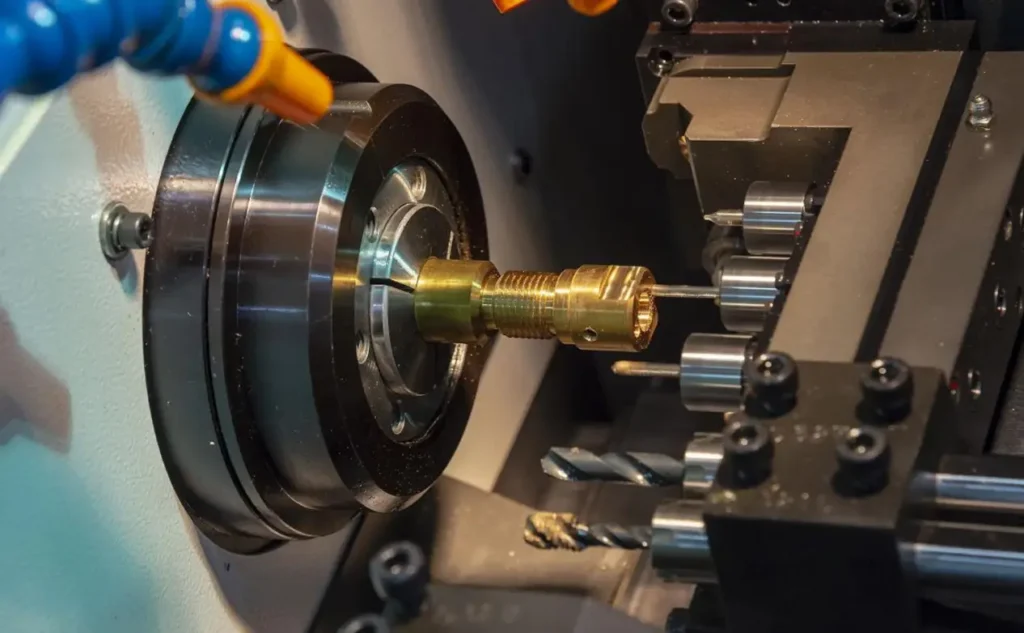
What to Check When Evaluating a Machining Center Service
Not all CNC shops are equipped to handle both brass and stainless efficiently. Here are the specific areas to verify before sending your RFQ:
Machine Capability
Does the shop have multi-axis CNC machining centers (3-axis, 4-axis, or 5-axis)?
Are machines equipped with through-spindle coolant for stainless?
What is the maximum spindle speed and torque?
Tooling Strategy
Does the provider use carbide tooling for stainless and PCD or coated tools for brass?
Are tool wear monitoring systems in place?
Material Handling
Can the shop source certified brass and stainless stock?
Do they follow material traceability procedures?
Quality Control
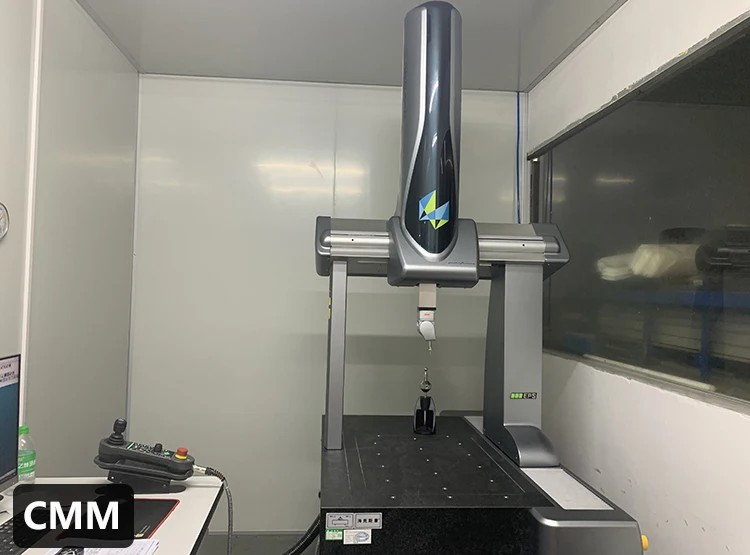
What inspection equipment is used (CMM, vision systems, surface roughness testers)?
Are first-article inspection reports provided?
Experience
Has the shop previously run similar brass and stainless parts for your industry?
Can they provide references or sample parts?
YPMFG supports buyers who need a single source for both materials. The team reviews part geometry, tolerance requirements, and production volume before recommending the most efficient machining strategy.
Common Questions About CNC Machining Center Service for Brass and Stainless
Can the same machine run brass and stainless without reconfiguration?
Yes, but only if the machine has a wide spindle speed range and a reliable coolant system. Tool changes and program adjustments are required between materials. A well-maintained CNC machining center can switch between brass and stainless within the same shift.
Which stainless grades are most common for CNC machining?
304 and 316 are the most common. 303 stainless is easier to machine due to added sulfur, while 17-4 PH is used for higher strength. Each grade requires different feeds and speeds, so the service provider must know the exact alloy.
Does brass machining produce hazardous dust?
Brass chips are not toxic, but fine dust from dry machining can irritate the respiratory system. Most shops use coolant or mist extraction. For high-volume brass work, a dedicated machine with chip management is recommended.
How does part complexity affect cost between brass and stainless?
Stainless costs more to machine because of longer cycle times and faster tool wear. Complex geometries with tight tolerances increase cost for both materials, but the difference is more pronounced in stainless due to slower machining and additional finishing passes.
What surface finish can I expect from a CNC machining center?
Brass can achieve Ra 0.4 µm or better with proper tooling. Stainless typically reaches Ra 0.8 µm in standard operations. If a mirror finish is required, additional polishing or secondary operations may be needed.
How do I know if a service provider is qualified for both materials?
Ask for sample parts or first-article reports from previous jobs. A qualified shop will show consistent dimensional results and surface finish across both materials. They should also explain how they adjust parameters for each alloy.
Is it cheaper to outsource brass and stainless parts to separate shops?
In many cases, using one CNC machining center service for both materials reduces administrative overhead, shipping costs, and lead time. A single supplier also ensures consistent quality standards across your entire order.
What documentation should I expect with my parts?
A reliable provider provides material certifications, inspection reports, and dimensional data. For regulated industries, additional compliance documents may be required. Always confirm documentation requirements before placing an order.
Choosing the Right Machining Center Service for Mixed-Material Projects
When your project involves both brass and stainless,the ideal service provider is one that understands how each material behaves under cutting forces. The wrong tool path or feed rate can ruin a part in seconds.
Look for a shop that:
Operates multi-axis CNC machining centers suited for both materials
Uses material-specific tooling and parameter tables
Provides full inspection reports and material traceability
Offers engineering support to optimize part design for manufacturability
YPMFG works with buyers who need consistent quality across brass and stainless parts. The engineering team reviews your drawings, suggests cost-saving design changes, and provides a clear quote with no hidden assumptions.
If you are planning a mixed-material production run, send your specifications to YPMFG for a machining review. The team will evaluate your part geometry, tolerance requirements, and volume to recommend the most efficient approach for both materials.