
Quick answer:
Precision CNC machine parts are custom-manufactured components produced through computer numerically controlled machining processes, designed to meet tight tolerances—often within ±0.001 inches or tighter—and strict specifications. They are used across industries such as aerospace, medical devices, automotive, and industrial automation,where part accuracy directly affects assembly fit, product performance, and operational safety. Choosing the right precision parts requires evaluating material properties, machining capabilities, quality certifications, and supplier experience. Without proper attention to these factors, even a small deviation can lead to costly rework or system failure.
Whether you are sourcing components for a new product launch or replacing worn parts in existing equipment, the quality of precision CNC machine parts directly determines how well your assembly fits, how long it lasts, and how much it costs over time. Many buyers focus only on unit price, but the real cost of a precision part includes scrap rates, inspection delays, rework time, and field failures. Understanding what makes a precision part reliable—and how to evaluate a supplier—can save weeks of lead time and thousands of dollars in hidden expenses. This article explains the key specifications, material choices, quality checks, and supplier criteria that matter most when purchasing precision CNC machine parts.
What Are Precision CNC Machine Parts?
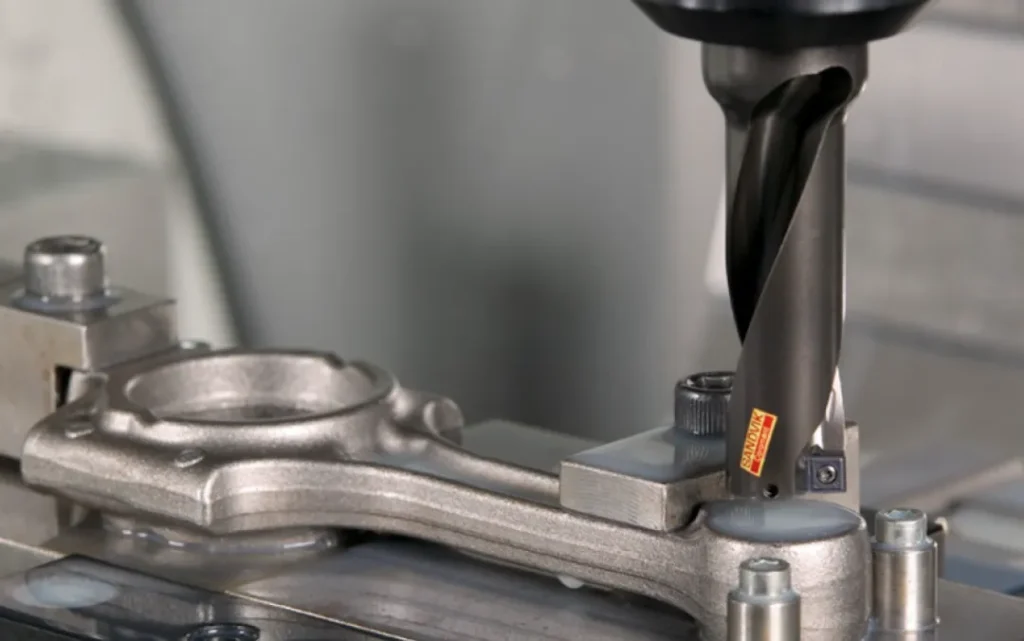
Precision CNC machine parts are components manufactured using computer-controlled cutting tools that remove material from a solid block or billet to achieve exact dimensions and surface finishes. Unlike standard machined parts, precision parts require tighter tolerance control, often specified in microns or tenths of a thousandth of an inch.
The machining process typically involves:
CNC milling – for complex 3D geometries, slots, holes, and contours
CNC turning – for cylindrical features, threads, and concentric diameters
Multi-axis machining – for parts requiring complex angles or undercuts
Grinding and finishing – for surface roughness requirements below Ra 0.4 µm
These processes are programmed using CAD/CAM software, and each part is inspected against the original design file using coordinate measuring machines (CMMs), optical comparators, or surface profilometers.
Why Precision Matters in CNC Machined Parts
The primary reason precision matters is fit and function. A part that is even a few microns off can cause misalignment, increased wear, vibration, or leakage in an assembly. For industries like medical implants or aerospace actuators, such failures are not just costly—they can be dangerous.
Precision also affects:
Assembly time – tight-tolerance parts assemble faster with less manual adjustment
Repeatability – identical parts behave the same way across multiple units
Warranty and liability – fewer field failures reduce long-term risk
For these reasons, buyers should always verify the tolerance capability of their supplier before placing an order. A supplier that consistently holds ±0.0005 inches on critical features is fundamentally different from one that only guarantees ±0.005 inches.

Key Specifications to Review When Ordering Precision CNC Machine Parts
When sourcing precision CNC machine parts, the following specifications should be clearly defined and agreed upon before production begins:
Tolerance Requirements
Tolerance is the allowable deviation from a nominal dimension. Common precision grades include:
Always specify which dimensions are critical and which can be looser. Not every feature needs the tightest tolerance—over-specifying increases cost and lead time.
Material Selection
Material choice affects machinability, strength, corrosion resistance, and cost. Common materials for precision CNC machine parts include:
Aluminum 6061 – good machinability, lightweight, cost-effective
Stainless steel 304/316 – corrosion-resistant, higher strength
Steel 4140/1018 – high strength, good for structural parts
Brass and copper – excellent for electrical and decorative parts
Plastics (Delrin, PEEK, Nylon) – low friction, lightweight, chemical resistant
Surface Finish
Surface finish is measured in Ra (roughness average). Typical values for precision parts range from Ra 0.8 µm to Ra 0.2 µm. Finer finishes require additional operations like polishing or grinding, which add cost and lead time.
Thread and Hole Standards
Specify thread type (UNF, UNC, metric), depth, and class of fit. For hole positions, use true position tolerancing rather than simple ± dimensions to ensure correct alignment in assemblies.
Common Challenges When Sourcing Precision CNC Machine Parts
Even experienced buyers encounter issues with precision parts. The most common problems include:
Inconsistent batch quality – parts from different production runs vary slightly
Burned or torn edges – caused by dull tools or incorrect feed rates
Burrs on internal edges – require secondary deburring operations
Surface contamination – coolant residue or oil left on finished parts
Material defects – inclusions or voids in raw stock
To reduce these risks, work with a supplier that follows documented quality control procedures, including first-article inspection and in-process checks. YPMFG supports buyers by reviewing specifications before production and providing inspection reports with every shipment.
How to Evaluate a Precision CNC Machine Parts Supplier
Choosing the right supplier is as important as choosing the right material or tolerance. Here are the key factors to evaluate:
Capabilities and Equipment
Does the supplier have multi-axis CNC machines, grinding capabilities, and EDM? Do they perform in-house inspection? A supplier with modern equipment and skilled programmers can hold tighter tolerances and handle more complex geometries.
Quality Certifications
ISO 9001:2015 is the baseline for quality management. For aerospace or medical parts, look for AS9100 or ISO 13485 certifications. These certifications indicate that the supplier follows consistent processes for documentation, traceability, and corrective action.
Communication and Engineering Support
A good supplier will ask questions about your part’s function, mating components, and assembly environment before quoting. YPMFG provides engineering review and custom solutions to help optimize designs for manufacturability, reducing cost without sacrificing precision.
Lead Time and Flexibility
Precision parts often require longer lead times due to setup, machining, and inspection. However, a responsive supplier can offer expedited service for urgent needs. Ask about their average lead time for first articles and production runs.
Questions Buyers Often Ask About Precision CNC Machine Parts
How tight of a tolerance can precision CNC machining achieve?
Most CNC machining centers can hold ±0.002 inches standard. With careful setup, high-precision machines, and skilled operators, tolerances of ±0.0005 inches or even ±0.0001 inches are achievable. However, tighter tolerances require more expensive equipment and longer cycle times.
What is the typical lead time for precision CNC machine parts?
Lead time depends on complexity, material availability, and quantity. Simple parts in common materials can ship in 1–2 weeks. Complex parts requiring custom fixturing or multiple set-ups may take 3–5 weeks. Always confirm lead time before ordering.
How do I choose the right material for my precision part?
Consider operating temperature, load, exposure to chemicals or moisture, and whether the part will contact food or human tissue. Aluminum is a good all-around choice. Stainless steel is better for corrosive environments. Plastics work well for lightweight, low-friction applications.
Do I need to provide a 3D model for a quote?
Yes. Most suppliers require a 3D CAD file (STEP or IGES) and a 2D drawing with tolerance callouts. A complete model helps the supplier identify potential machining issues and provide an accurate quote.
What should I check when receiving precision CNC machine parts?
Inspect critical dimensions with calipers or micrometers. Check surface finish visually and with a profilometer if required. Verify thread fit with a go/no-go gauge. Compare the part against the drawing for any deviations.
Can precision CNC machine parts be made from stainless steel?
Yes. Stainless steel is commonly used for precision parts because of its strength and corrosion resistance. It requires slower cutting speeds and harder tooling than aluminum, which increases cost and lead time.
How much does precision CNC machining cost per part?
Cost varies widely based on material, complexity, tolerance, quantity, and surface finish. Simple parts in aluminum may cost under $50 per piece at low volumes. Complex parts in stainless steel with tight tolerances can cost several hundred dollars per piece.
What is the difference between CNC milling and CNC turning for precision parts?
CNC milling uses rotating cutting tools to remove material from a stationary workpiece, best for complex shapes. CNC turning rotates the workpiece against a stationary cutting tool, ideal for cylindrical parts. Many precision parts require both operations.
Making a Better Long-Term Decision for Precision CNC Machine Parts
Investing time upfront to define tolerances, select materials, and evaluate suppliers pays off in fewer rejects, faster assembly, and longer equipment life. Precision CNC machine parts are not commodities—they are engineered components that require careful planning and qualified manufacturing partners.
YPMFG helps buyers compare material options, review tolerance requirements, and provide custom solutions for challenging geometries. If you are sourcing precision parts for a new project or replacing an existing component, send your specifications to YPMFG for engineering review and a competitive quote.