
Medical CNC machined parts require extreme precision, biocompatible materials, and strict regulatory compliance. This guide covers the critical requirements—material selection, tolerance standards, surface finish, and cleanroom protocols—to help you source or manufacture parts that meet medical industry demands.
1. Material Selection for Medical CNC Parts
Biocompatible metals: Stainless steel 316L, titanium (Grade 5, Grade 23), cobalt-chrome. These resist corrosion and body fluid interaction.
Medical-grade plastics: PEEK, Ultem, PTFE, Acetal. Used for insulators, guides, and non-implantable devices.
Traceability requirement: Material certificates (EN 10204 3.1) must accompany every batch. Avoid undocumented alloys.
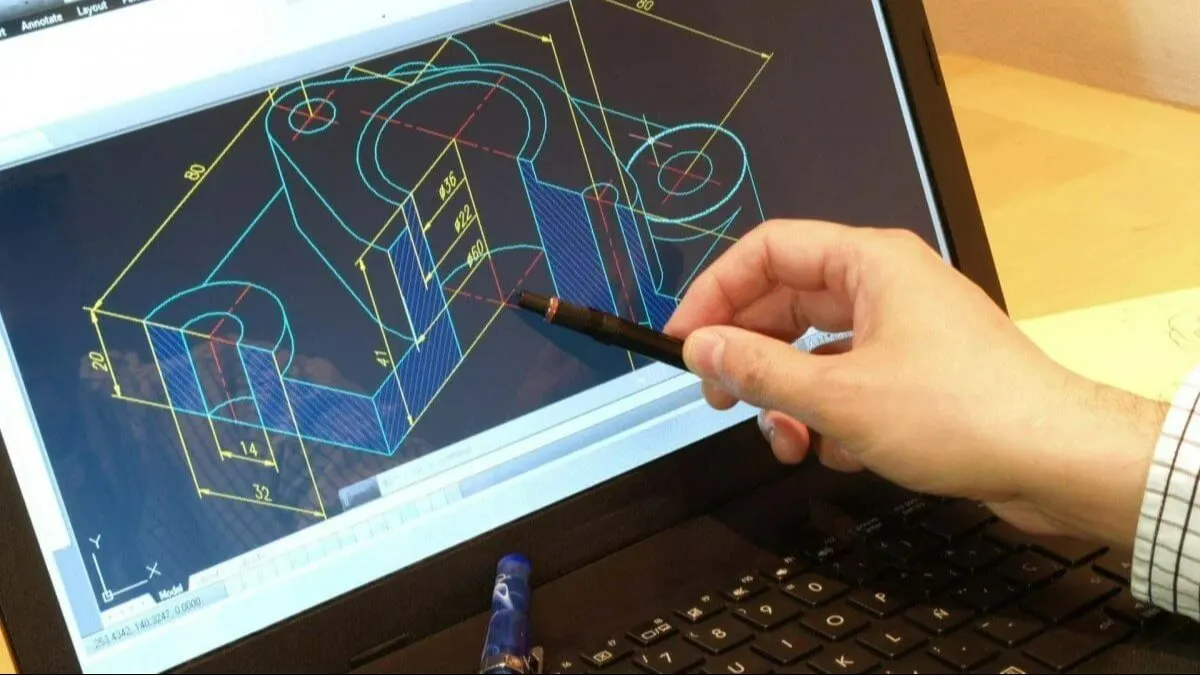
2. Critical Dimensional Tolerances
General medical devices: ±0.005″ (0.127 mm)
Surgical instruments and implants: ±0.001″ (0.025 mm) or tighter
Micro‑components (e.g., bone screws, dental posts): down to ±0.0002″ (0.005 mm)
Why it matters: Loose tolerances lead to assembly failure, patient injury, or instrument malfunction. Always verify with a CMM report.
3. Surface Finish Requirements
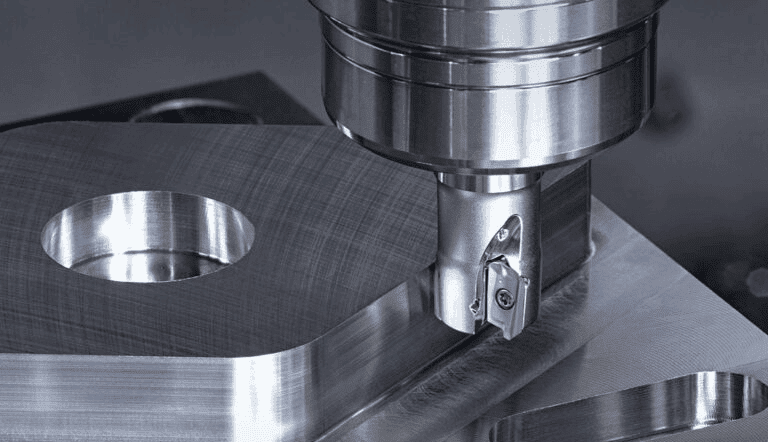
Common finishing methods: electropolishing (stainless steel), passivation, anodizing (titanium), bead blasting (PEEK). Avoid sharp edges or crevices that trap contaminants.
4. Cleanliness & Sterilization Readiness
All medical CNC machined parts must be free of oils, coolants, and particulates.
Standard cleaning process: Ultrasonic degreasing → DI water rinse → final inspection under UV or white light.
For implantable or invasive parts: Sterilization validation (EtO, gamma, or autoclave) may be required before final packaging.
5. Regulatory Compliance (Must‑Have Certifications)
ISO 13485:2016 – Quality management system for medical devices. Mandatory for any supplier.
ISO 14644‑1 – Cleanroom class (Class 7 or 8 typical for machining; Class 5 for assembly/packaging of implants).
21 CFR Part 820 (FDA QSR) – If supplying to US market.
REACH / RoHS – For chemical substance restrictions.
> Real‑world example: A manufacturer of orthopedic drills switched from generic machining to ISO 13485‑certified CNC suppliers. The result: rejected batches dropped from 12% to 0.8%, and no field complaints in 18 months.
6. Common Applications & Typical Challenges
Surgical cutting guides – Need complex freeform geometry and sterile packaging. Challenge: burr removal inside narrow slots.
Implant trials – Must match final implant dimensions exactly. Solution: use same CNC program and in‑process probing.
Dental abutments – Require individual patient‑specific geometry. Challenge: fast turnaround and traceability. Use 5‑axis CNC with CAD/CAM integration.
Robotic surgery components – High cyclic loading demands stress‑relieved materials. Solution: specify post‑machining heat treatment.
7. How to Verify a Medical CNC Parts Supplier
Request audit reports (ISO 13485, FDA registration if applicable).
Ask for validation documents: IQ/OQ/PQ for critical processes.
Review inspection equipment: CMM, optical comparator, surface roughness tester.
Check material handling: Segregated areas for medical vs. industrial parts, lot control.
8. Core Takeaways & Action Steps
Precision alone is not enough – you need biocompatible materials, validated cleaning,and full traceability.
Start with a clear specification: material grade, tolerance, surface finish, and sterility level. Use a supplier quality agreement.
Immediate actions:
Audit your current CNC supplier against ISO 13485.
Require material certificates and inspection reports for every shipment.
Implement incoming inspection: verify critical dimensions and cleanliness.
Choose medical CNC machined parts that are not only accurate but also safe, traceable, and regulatory ready. Apply the guidelines above to reduce risk and ensure patient‑safe outcomes.