Quick answer:
CNC plastic machining is a subtractive manufacturing process that uses computer-controlled cutting tools to shape plastic materials into precise, functional parts. It is widely used when production volumes are too low for injection molding, when tight tolerances are required, or when a project needs fast turnaround without the cost of hard tooling. This process works with dozens of plastic grades, each offering different mechanical, thermal, and chemical properties. Understanding which plastic to choose and how the machining process affects part performance is essential for avoiding failures, cost overruns, and delivery delays.
If you are sourcing CNC plastic parts for prototypes, production runs, or replacement components, the material selection alone can determine whether your project succeeds or fails. Many engineers and procurement professionals underestimate how machining parameters, plastic grade behavior, and part geometry interact. A part that works well in metal may warp, crack, or degrade when machined from plastic. The right approach starts with understanding what CNC plastic machining can and cannot do, and how to match material properties to your specific application.
What Is CNC Plastic Machining?
CNC plastic machining removes material from a solid plastic block or rod using rotating cutting tools, drills, and end mills controlled by a computer program. Unlike 3D printing, which builds parts layer by layer, CNC machining starts with a fully dense material and cuts away excess material to reach the final shape.
This process works with both thermoplastics and some thermosetting plastics. The most common grades include nylon, acetal (POM), PTFE, PEEK, PVC, and polycarbonate. Each grade machines differently due to variations in hardness, melting point, internal stress, and chip formation behavior.
Because no mold or tooling is required, CNC plastic machining is ideal for low to medium production volumes, typically from one prototype to several thousand parts. Lead times can be as short as a few days, depending on part complexity and material availability.
Common Plastic Materials Used in CNC Machining
Selecting the right plastic grade is the most critical decision in any CNC plastic project. The table below summarizes the most commonly machined plastics, their key properties, and typical applications.
Each material behaves differently under cutting forces. Acetal is one of the most forgiving plastics to machine, producing clean chips and holding tight tolerances. PTFE, by contrast, is soft and tends to deform under cutting pressure, requiring sharp tooling and controlled feed rates.
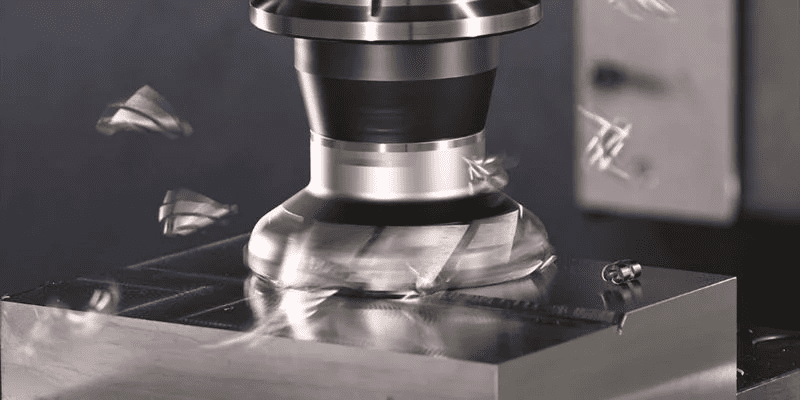
YPMFG supports projects that require material-specific machining strategies. If your application involves high-temperature exposure, chemical contact, or moving loads, sending your specifications to [Brand Name] for review can help identify the best plastic grade before production begins.
How CNC Plastic Machining Differs from Metal Machining
Plastic is not simply a softer version of metal. The machining behavior of plastics differs in several fundamental ways.
Thermal expansion: Plastics expand significantly more than metals when heated. Friction from cutting tools can cause localized melting, warping, or dimensional changes.
Chip formation: Many plastics produce long, stringy chips that can wrap around tooling or clog coolant systems. Chip management strategies must be adjusted.
Internal stress: Some plastics, especially nylon and polycarbonate, contain internal stresses from manufacturing. Machining can release these stresses, causing parts to distort after cutting.
Tool wear: While plastics are less abrasive than metals, some grades (such as glass-filled PEEK) can dull tools quickly. Tool geometry and coating choices matter.
Successful CNC plastic machining requires lower cutting speeds, sharper tooling, and often specialized coolant or air blast systems to control heat. A shop that primarily machines metal may not have the experience or equipment to produce consistent plastic parts.
Key Design Considerations for CNC Plastic Parts
Designing parts for CNC plastic machining is not the same as designing for metal or injection molding. The following factors directly affect machinability and final part quality.
Wall Thickness and Geometry
Thin walls, sharp internal corners, and deep narrow pockets are difficult to machine in plastic. Thin sections can flex during cutting, causing vibration marks or dimensional errors. A minimum wall thickness of 0.040 inches (1 mm) is recommended for most plastics, with thicker sections for softer grades.
Tapped Holes
Threads machined directly into plastic are weaker than those in metal. For holes that will be assembled and disassembled multiple times, helical inserts or threaded metal inserts should be specified in the design.
Undercuts and Internal Features
CNC tools are generally limited to straight-line access. Deep undercuts, blind cavities, or complex internal geometries may require special tooling or multi-axis machining, which increases cost and lead time.
Stress Relief
For large or complex parts, stress relief annealing before machining can reduce the risk of warping. This is especially important for nylon and polycarbonate parts that require tight tolerances.
Draft Angles
Unlike injection molding, CNC machining does not require draft angles. Vertical walls are acceptable, which allows for more design freedom but also requires careful tool path planning to avoid tool deflection.
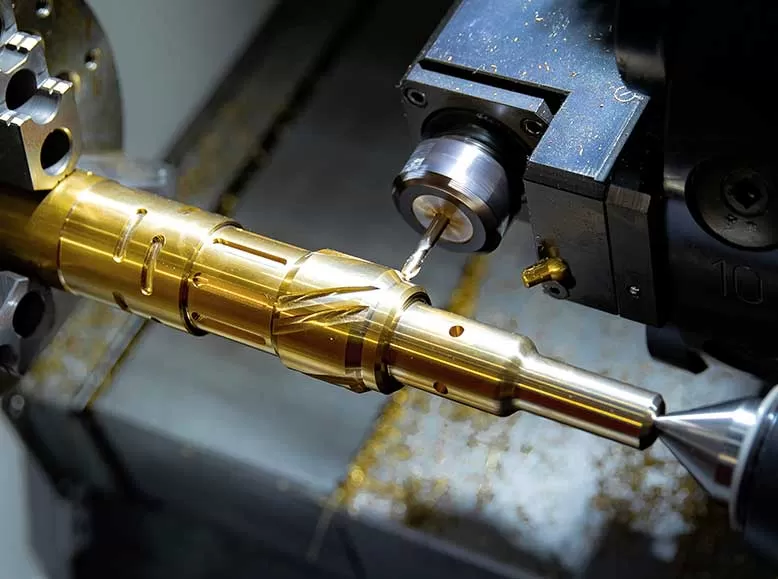
YPMFG can provide engineering feedback during the design phase. If you are unsure whether a feature can be machined reliably, submitting a drawing for engineering review can prevent costly revisions later.
Tolerances and Surface Finish Expectations
CNC plastic machining can achieve tight tolerances, but not as tight as metal machining in all cases. The following ranges are typical for well-controlled processes:
Standard tolerances: ±0.005 inches (0.13 mm)
Precision tolerances: ±0.002 inches (0.05 mm) for stable materials like acetal
High-precision tolerances: ±0.001 inches (0.025 mm) only possible with specific materials and post-machining conditioning
Surface finish varies by material and tool path. A standard machined finish on plastic ranges from 32 to 64 microinches Ra. Transparent plastics like polycarbonate and acrylic can be polished to optical clarity, but this is an additional process step.
Keep in mind that plastic parts may absorb moisture from the air and change dimensions slightly over time, especially nylon. If your assembly requires long-term dimensional stability, materials like acetal or PEEK are better choices.
When to Choose CNC Plastic Machining vs. Injection Molding
One of the most common decisions buyers face is whether to use CNC plastic machining or injection molding. The table below compares both processes across key decision factors.
CNC plastic machining is the better choice when:
Production volume is below 1,000 parts
Multiple design iterations are expected
Lead time is tight
No budget exists for mold tooling
Large parts or thick sections are required
Injection molding becomes cost-effective when volumes exceed 5,000 to 10,000 parts per year, or when extremely complex geometries with internal features are needed.
Common Questions About CNC Plastic Machining
What is the best plastic for CNC machining?
There is no single best plastic. Acetal (POM) is the most commonly recommended material for general-purpose machined parts because of its low friction,dimensional stability, and excellent machinability. For high-temperature or high-strength applications, PEEK is a better choice.
Can CNC plastic parts be used outdoors?
Some plastics degrade under UV exposure. PVC, acetal, and PEEK offer reasonable UV resistance. Nylon and polycarbonate are more susceptible to UV degradation unless specifically stabilized. Always verify with your material supplier for outdoor applications.
How long do CNC plastic parts last?
Part life depends on material, load, temperature, and chemical exposure. A well-designed acetal gear in a low-load indoor application can last years. A nylon bushing in a high-friction, high-temperature environment may need replacement in months. Testing under real conditions is recommended.
Is CNC plastic machining expensive?
For low volumes, CNC plastic machining is often cheaper than injection molding because no mold tooling is required. The cost per part is driven by material price, part complexity, and tolerance requirements. Simple parts in common materials like acetal or nylon are generally affordable.
Can CNC plastic parts be post-processed?
Yes. Common post-processing steps include polishing, bead blasting, painting, vapor smoothing, and metal plating. Threaded inserts, heat-set inserts, and ultrasonic welding can also be added after machining.
What file formats are needed for CNC plastic machining?
Most shops accept STEP, IGES, or STP files. 2D drawings with tolerance callouts are helpful for critical dimensions. Some shops also accept native CAD files from SolidWorks, Fusion 360, or similar software.
How do I prevent plastic parts from cracking during machining?
Use sharp tooling, reduce cutting speed, apply appropriate coolant or air blast, and avoid aggressive depth cuts. For stress-prone materials like polycarbonate, stress relief annealing before machining can help.
Can I get a quote for CNC plastic parts without a drawing?
Some shops can provide estimates based on part description and dimensions, but a formal quote typically requires a 2D drawing or 3D model with specified tolerances, material grade, and quantity.
Choosing the Right CNC Plastic Machining Partner
The success of your CNC plastic project depends on more than just material selection or part design. The machining partner must understand how plastics behave under cutting forces, how to manage heat and chip evacuation, and how to hold tolerances across different environmental conditions.
Working with a shop that treats plastic machining as a distinct discipline, rather than an afterthought to metal work, will save you time and reduce the risk of scrapped parts. YPMFG brings specific experience in machining a wide range of plastic grades, from common materials like acetal and nylon to advanced polymers like PEEK and PTFE.
If you are evaluating a current supplier or starting a new project, consider sending your specifications to YPMFG for an engineering review. Their team can assess material compatibility, identify potential machining issues, and provide a realistic timeline and cost estimate before you commit to production.