
Quick answer:
Metal bend refers to the deformation of a workpiece during or after machining, caused by heat, stress, clamping forces, or material properties. In CNC machining, uncontrolled metal bend can lead to out-of-tolerance dimensions, poor surface finish, and assembly failures. The most common causes include uneven material removal, improper tool paths, insufficient coolant, and residual internal stresses in the raw stock. To prevent metal bend, engineers must evaluate part geometry,material selection, fixturing methods, and cutting parameters before production begins. Early assessment reduces scrap rates and rework costs significantly.
Metal bend is not always visible to the naked eye. A part that looks straight on the outside may still have internal distortion that becomes apparent only during final inspection or after assembly. For buyers sourcing machined components, understanding the factors that cause metal bend is essential to setting realistic tolerances, avoiding delays, and ensuring long-term part reliability.
What Causes Metal Bend in CNC Machining
Metal bend most often results from residual stress released during material removal. When a block of metal is machined, the outer layers are cut away, and the internal stress balance shifts. This imbalance can cause the part to warp or bend immediately after cutting or over time.
Another frequent cause is thermal expansion. As cutting tools generate heat, the workpiece expands locally. When the part cools unevenly, distortion occurs. Thin-walled parts and long, slender geometries are particularly vulnerable.
Clamping forces also contribute. If a part is held too tightly during machining, it may spring back into a bent shape after release. This is often missed during production and only discovered during quality control.
How Material Choice Affects Metal Bend
Not all metals behave the same way under machining forces. Aluminum typically releases stress more predictably, but thin aluminum parts still risk bend if not properly supported. Steel alloys, especially hardened grades, retain higher internal stresses and are more prone to distortion after cutting.
Stainless steel is another challenging material. Its low thermal conductivity traps heat in the cutting zone, increasing the risk of thermal bend. Brass and copper are generally more stable but still require careful tool path planning for thin sections.
When selecting a material for a part that must remain flat or straight, buyers should ask suppliers about stress-relief treatments. Pre-machining stress relief, such as annealing or cryogenic processing, can reduce the likelihood of metal bend significantly.
Part Geometry and Its Role in Distortion
Long, thin parts with a high length-to-width ratio are the most susceptible to metal bend. Shafts, bars, frames, and thin plates all fall into this category. The more material removed from one side of the part, the greater the potential for warping.
Symmetrical part designs are generally more stable. When material is removed evenly from both sides, the stress distribution remains balanced. Asymmetric cuts, deep pockets, and narrow walls increase the risk of bend.
For buyers evaluating a design for manufacturability, it is useful to review wall thickness, aspect ratio, and material removal volume early. Small changes in geometry, such as adding ribs or increasing corner radii, can reduce distortion without affecting function.
Fixturing and Clamping Strategies to Reduce Bend
The way a part is held during machining directly affects metal bend. Over-clamping distorts the part temporarily, but the bend appears after the clamps are released. Under-clamping allows vibration and tool deflection, which also leads to poor results.
Soft jaws, vacuum fixtures, and custom workholding solutions help distribute clamping forces evenly. For thin parts, using multiple support points reduces localized stress. Multi-stage machining, where roughing and finishing operations are performed in separate setups, also lowers distortion risk.
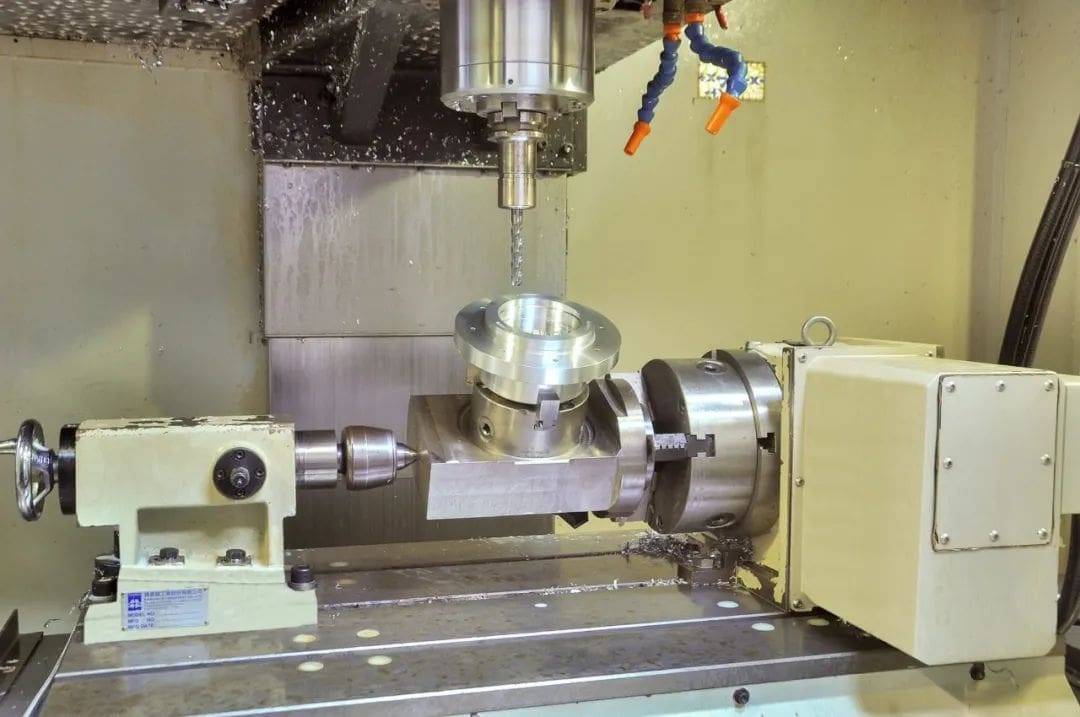
When requesting a quote for parts prone to bend, ask the supplier about their workholding approach. A supplier experienced with distortion-prone geometries can recommend modifications to the process or the part design itself.
Cutting Parameters That Influence Metal Bend
Feed rate, spindle speed, and depth of cut all affect heat generation and stress release. Aggressive roughing passes generate more heat and remove material faster, which increases the chance of metal bend.
A common best practice is to use light finishing passes after roughing. This allows the part to stabilize before final dimensions are cut. Coolant application also plays a role. Proper coolant flow reduces thermal buildup and helps maintain dimensional stability.
Tool selection matters as well. Sharp tools with appropriate coatings reduce cutting forces and heat. Dull tools push more energy into the workpiece, raising the risk of distortion.
Inspection Methods for Detecting Metal Bend
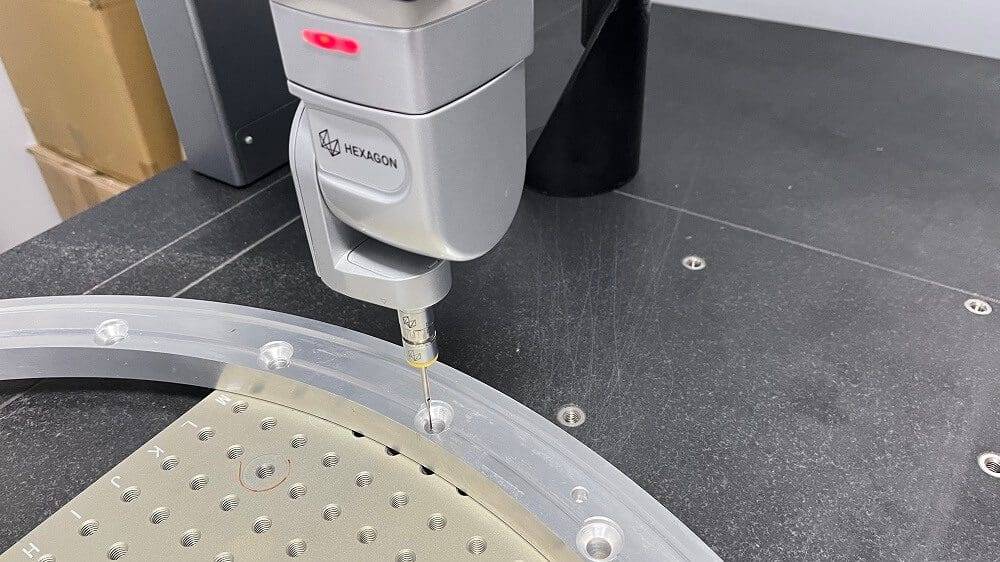
Detecting metal bend early prevents defective parts from reaching assembly. CMM (coordinate measuring machine) inspection is accurate but may not catch every point of distortion on long parts. Surface plate and height gauge checks are still widely used for flatness and straightness verification.
Laser scanning and white light scanning provide full-surface data and are ideal for complex geometries. These methods reveal bend that might be missed with point-based measurement.
For high-volume production, in-process monitoring using probes or sensors can detect bend during machining. This allows adjustments before the part is completed, reducing scrap.
Common Questions About Metal Bend in Machining
Can metal bend be completely eliminated?
In most cases, no. Some degree of distortion is inherent in the machining process. The goal is to control bend within acceptable tolerances. Proper material selection, fixturing, and cutting strategies keep bend within spec.
How much bend is acceptable for a machined part?
It depends on the application. Aerospace and medical parts often require flatness within 0.001 inch per foot. Industrial components may allow 0.005 inch or more. Always define acceptable bend in your print specifications.
Does stress relief always prevent bend?
Not always. Stress relief reduces internal stresses but does not eliminate them entirely. For extremely tight tolerances, multiple stress relief cycles or cryogenic treatment may be necessary.
Why does bend appear after plating or coating?
Heat from coating processes can reintroduce stress into a part. Pre-coating inspection should account for potential post-coating distortion. Some suppliers perform a stress relief step before coating.
Can part design changes reduce bend?
Yes. Adding ribs, increasing wall thickness, avoiding deep narrow slots, and keeping material removal balanced all reduce the risk of bend. A design for manufacturability review helps identify these improvements early.
Is laser cutting safer than CNC machining for avoiding bend?
Laser cutting generates heat-affected zones that can cause distortion in thin materials. CNC machining with proper cooling often produces better dimensional stability for parts requiring tight tolerances.
Choosing the Right Approach for Your Parts
Understanding metal bend is not just a technical concern—it directly affects project cost, lead time, and final product quality. Buyers who identify distortion risks early avoid expensive rework and delayed deliveries.
At YPMFG, we evaluate each part for potential metal bend before cutting begins. Our engineering team reviews material type, geometry, fixturing strategy, and cutting parameters to minimize distortion. We provide custom solutions for parts that require tight flatness or straightness tolerances.
If you are sourcing machined components and want to reduce scrap rates or improve dimensional consistency, send your specifications to YPMFG for review. We can recommend process adjustments or design changes that keep your parts within spec from first article to full production.