
Quick answer:
CNC turning is a subtractive manufacturing process where a cutting tool removes material from a rotating workpiece to produce cylindrical parts. It is widely used in the CNC machining industry for creating shafts, bushings, fittings, and other round components. CNC turning offers high repeatability and tight tolerances, making it a preferred method for both prototyping and production runs. However, the quality of the final part depends on machine capability, tool selection, material properties, and the experience of the manufacturing partner.
CNC turning is often compared to CNC milling, but the two processes serve different geometries. Understanding when to use turning, what tolerances to expect, and how to optimize part design can save time and reduce costs.
Manufacturing engineers and procurement professionals evaluating CNC turning services need to look beyond unit price. Material waste, cycle time, surface finish requirements, and secondary operations all influence the total cost and lead time. A reliable CNC machining service like YPMFG can help buyers navigate these variables and deliver consistent results.
What Is CNC Turning?
CNC turning is a precision machining process that uses computer-controlled lathes to remove material from a rotating workpiece. The cutting tool moves linearly along multiple axes to shape the part.
This process is ideal for producing parts with rotational symmetry. Common examples include shafts, pins, pulleys, and threaded components. CNC turning can also produce complex features such as grooves, tapers, and threads when combined with live tooling.
The main advantage of CNC turning is its ability to maintain consistent quality across large production volumes. Unlike manual turning, CNC turning eliminates human error and reduces cycle time.
For engineers and buyers, understanding the capabilities and limitations of CNC turning is essential when specifying parts for mechanical assemblies or hydraulic systems.
How CNC Turning Works
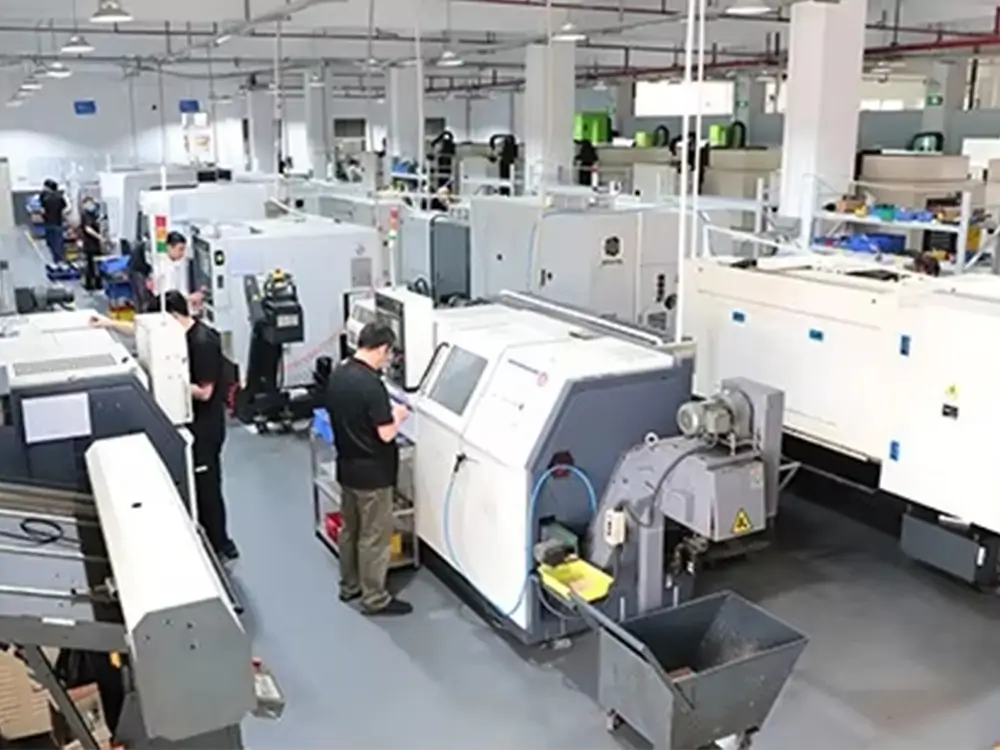
A CNC turning center holds the workpiece in a chuck or collet. The spindle rotates the workpiece at a programmed speed while the cutting tool moves along the X and Z axes.
The operator or programmer defines the tool path using CAM software. The CNC controller executes these instructions with high precision.
Key components of a CNC turning machine include:
Spindle – rotates the workpiece
Chuck – holds the workpiece securely
Tool turret – holds multiple cutting tools and indexes as needed
Tailstock – supports longer workpieces
Coolant system – reduces heat and improves surface finish
Modern CNC lathes can include Y-axis capability and live tooling, allowing the machine to perform milling operations without transferring the part to another machine.
This combined capability reduces setup time and improves overall accuracy, especially for parts that require both turned and milled features.
Common CNC Turning Operations
CNC turning covers a range of specific operations, each suited to different part features:
Each operation requires specific tool geometry and cutting parameters. Choosing the right operation sequence affects both cycle time and part quality.
Materials Used in CNC Turning
CNC turning can process a wide range of materials. The choice of material affects tool wear, cutting speed, surface finish, and cost.
Common materials include:
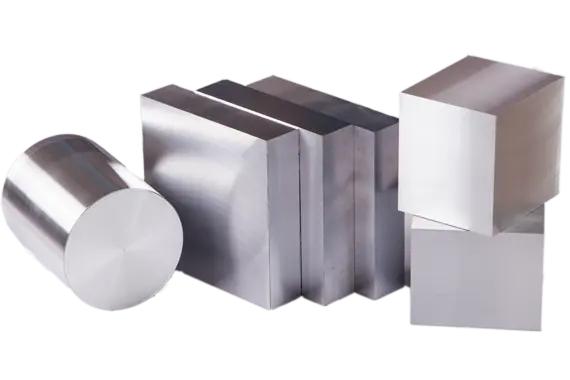
Aluminum – lightweight, easy to machine, good thermal conductivity
Steel – high strength, wear resistance, suitable for structural parts
Stainless steel – corrosion resistance, used in food and medical applications
Brass – excellent machinability, good electrical conductivity
Copper – high thermal and electrical conductivity
Titanium – high strength-to-weight ratio, difficult to machine
Plastics – low friction, chemical resistance, lightweight
Material selection should consider the operating environment, load conditions, and regulatory requirements. For example, parts used in aerospace applications often require specific material certifications.
If you are unsure which material is optimal for your application, you can send your specifications to YPMFG for an engineering review.
CNC Turning vs CNC Milling
Many buyers ask whether CNC turning or CNC milling is better for their parts. The answer depends on part geometry and production requirements.
In many cases, parts require both turning and milling. Multi-axis CNC turning centers with live tooling can complete both processes in a single setup, reducing lead time and improving accuracy.
For complex parts, combining turning and milling on a single machine eliminates tolerance stack-up between setups.
Tolerances and Surface Finishes in CNC Turning
Standard CNC turning can hold tolerances of ±0.005 inches (0.13 mm) for general work. Precision turning can achieve ±0.001 inches (0.025 mm) or tighter.
Surface finish is typically measured in Ra (roughness average). Standard turning produces finishes of 32 to 63 microinches Ra. With fine tooling and optimized parameters, finishes down to 8 microinches Ra are possible.
Factors that affect tolerance and finish include:
Machine rigidity and condition
Tool material and geometry
Cutting speed and feed rate
Coolant application
Material properties
When specifying tolerances, avoid over-specifying. Tighter tolerances increase cycle time and cost without improving function if the application does not require them.
A professional CNC machining provider can review your drawings and recommend practical tolerance ranges based on your part function and production volume.
Factors That Affect CNC Turning Cost
CNC turning cost depends on several variables. Understanding these factors helps buyers make informed decisions.
Material type and size – Harder materials and larger diameters increase cycle time and tool wear
Complexity of features – Threads, grooves, and tight tolerances add machining time
Quantity – Setup cost is spread across the batch size
Secondary operations – Deburring, heat treatment, plating, or assembly add cost
Surface finish requirements – Fine finishes require slower speeds and secondary passes
Tooling – Special tools or custom inserts may be needed for specific features
Lead time – Rush orders may require overtime or priority scheduling
For prototype quantities, the setup cost dominates. For larger production runs, the per-part cost decreases significantly.
Requesting a quote with complete technical information helps suppliers provide accurate pricing. YPMFG offers detailed cost breakdowns and can suggest design modifications to reduce machining costs.
Common Questions About CNC Turning
What is the difference between CNC turning and manual turning?
Manual turning relies on operator skill to control the cutting tool. CNC turning uses computer control for higher repeatability, faster cycle times, and tighter tolerances. CNC turning is preferred for production runs and complex geometries.
Can CNC turning produce non-round parts?
Standard CNC turning produces round parts. With live tooling and C-axis capability, CNC turning centers can mill flats, slots, and holes, allowing non-round features on a turned part.
What is the maximum diameter for CNC turning?
The maximum diameter depends on the machine. Standard CNC lathes can handle diameters up to 12-20 inches. Larger machines can turn parts up to 40 inches or more. Check with your manufacturing partner for specific capacity limits.
How long does a typical CNC turning quote take?
Most shops provide quotes within 1-3 business days. Complex parts with multiple setups or special materials may take longer. Providing a complete drawing with clear tolerances speeds up the process.
Is CNC turning suitable for low-volume prototypes?
Yes. CNC turning is cost-effective for low volumes because it does not require custom tooling. Setup time is relatively short, making it a good choice for prototyping and small batch production.
What surface finish can I expect from CNC turning?
Standard turning produces finishes of 32-63 microinches Ra. With fine tooling and optimized parameters, finishes as low as 8 microinches Ra are achievable. The required finish should be specified on the drawing.
Can CNC turning machine hard materials?
Yes, but harder materials require slower speeds, stronger tooling, and rigid machine setups. Materials like hardened steel and titanium can be turned, but cycle times will be longer and tool wear higher.
Do I need to provide a 3D model for CNC turning?
Most shops prefer a 3D model (STEP or IGES) along with a 2D drawing that specifies tolerances, thread callouts, and surface finish requirements. Clear documentation reduces the risk of miscommunication.
Choosing the Right CNC Turning Partner
Selecting a CNC machining service for turning projects involves more than comparing prices. Consider the following criteria:
Machine capabilities – Does the shop have multi-axis lathes with live tooling?
Material expertise – Can they handle your specific material and certifications?
Quality control – Are they ISO certified? Do they provide inspection reports?
Communication – Do they offer engineering support during the design phase?
Lead time reliability – Do they consistently meet delivery commitments?
A partner with deep technical knowledge can help you avoid common pitfalls such as over-specifying tolerances, choosing incompatible materials, or designing features that are difficult to machine.
YPMFG supports projects that require custom CNC turning,from prototype evaluation to full production. Their team reviews each part for machinability and can suggest design improvements that reduce cost without sacrificing performance.
If you are currently evaluating a CNC turning supplier or comparing quotes, send your part specifications to YPMFG for a detailed engineering review and competitive pricing.
Making a Better Long-Term Decision
CNC turning is a reliable and efficient process for producing cylindrical parts across industries. The key to a successful project is understanding the relationship between design, material, tolerances, and cost.
Start by defining your functional requirements clearly. Avoid unnecessary tight tolerances. Choose materials that match the operating environment. Work with a CNC machining partner that offers engineering support and transparent communication.
Whether you need a single prototype or a high-volume production run, having a knowledgeable partner can make the difference between a part that meets spec and one that exceeds expectations.
Send your drawings and specifications to YPMFG for a professional evaluation and a detailed quote tailored to your project requirements.