
Quick answer:
Turning and milling machining centers are CNC machines that combine both turning and milling operations in a single setup. They are ideal for producing complex parts that require multiple machining processes. The key is to match the machine type to your part geometry, tolerance requirements, and production volume.
If you are evaluating turning and milling machining centers for your manufacturing needs, you likely face decisions about machine selection, process integration, and cost optimization. Many buyers struggle to understand the difference between standalone lathes, mill-turn centers, and multi-tasking machines. This article explains how to make the right choice for your application.
What Are Turning and Milling Machining Centers?
Turning and milling machining centers integrate two fundamental CNC operations: turning (rotational machining) and milling (linear cutting). The machine uses a rotating workpiece for turning operations and a rotating cutting tool for milling. This combination allows complete part machining in a single setup.
These machines are also called mill-turn centers or multi-tasking machines. They reduce the need for multiple machines and setups. This leads to shorter lead times and better accuracy for complex parts.
Key Types of Turning and Milling Machines
Understanding the different machine types helps you select the right solution. Each type serves specific part geometries and production requirements.
YPMFG supports projects requiring any of these machine configurations. You can send your part drawings for an engineering review to determine the most suitable approach.
Critical Selection Factors for Your Application
Selecting the right turning and milling machining center depends on several technical and business factors. These elements directly affect part quality, production efficiency, and total cost.
Part Geometry and Complexity
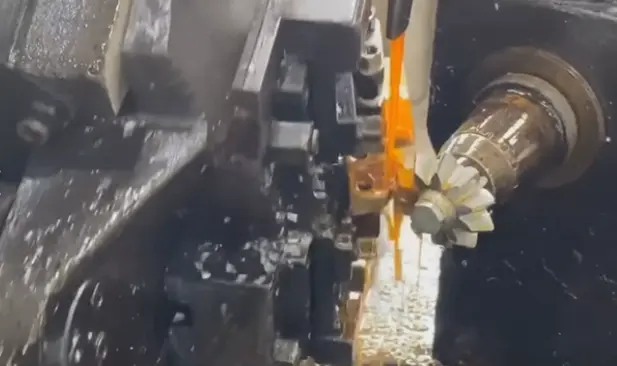
Complex parts with multiple diameters, cross-holes, and axial features benefit most from mill-turn centers. Simple cylindrical parts may only require a standard CNC lathe. Evaluate whether your parts need simultaneous multi-axis machining.
Tolerance and Surface Finish Requirements
Precision parts for medical or aerospace applications require machines with high rigidity and thermal stability. Standard industrial parts may tolerate wider tolerances. Define your tolerance requirements before evaluating machine specifications.
Production Volume and Batch Size
High-volume production benefits from automated loading systems and continuous operation. Low-volume or prototype work requires flexible machine setups. Consider whether you need quick changeover capabilities or dedicated production lines.
Material Selection
Different materials require specific machine power, spindle speed, and tooling. Hardened steels and titanium need high-power spindles and rigid construction. Aluminum and plastics allow faster cutting speeds. Match machine specifications to your primary materials.
Common Mistakes When Choosing Turning and Milling Centers
Many buyers make costly errors during machine selection. Understanding these pitfalls helps you avoid unnecessary expenses.
Choosing based on price alone often leads to insufficient capacity or quality issues. A cheaper machine may lack the rigidity or accuracy your parts require. Always evaluate total cost of ownership, including maintenance, tooling, and downtime.
Ignoring future part complexity is another common mistake. Your current parts may seem simple, but product evolution often increases complexity. Select a machine with enough capability to handle future requirements without immediate replacement.
Overlooking CNC machining services support is critical. The right manufacturer provides engineering consultation, process optimization, and quality documentation. Machine capability means little without proper technical support and process expertise.
How YPMFG Approaches Machine Selection and Part Manufacturing
At YPMFG,we evaluate your parts based on geometry, material, tolerance, and volume requirements. Our engineering team recommends the most efficient machining approach for each project. We select appropriate CNC machining centers based on your specific needs rather than applying a one-size-fits-all solution.
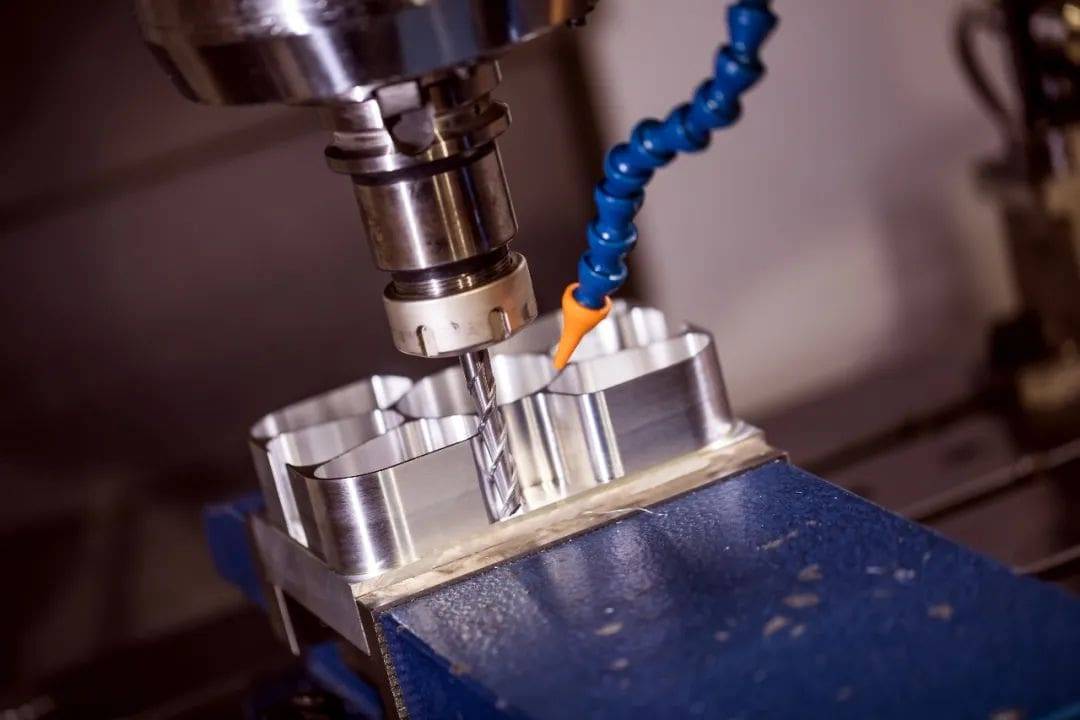
Our process includes reviewing your drawings, identifying critical features, and proposing optimal machining strategies. We consider tool access, fixturing requirements, and sequence optimization. This approach minimizes setup time and maximizes part quality.
Cost Factors Beyond Machine Purchase Price
The initial machine price represents only a portion of total investment. Understanding all cost factors helps you make informed decisions.
YPMFG provides detailed quotes that include all relevant cost components. We help you understand what drives pricing and where you can optimize without compromising quality.
Quality Assurance and Process Control
Quality in turning and milling operations depends on machine capability, process control, and inspection methods. Understanding these elements helps you evaluate suppliers and set realistic expectations.
Machine accuracy is determined by spindle runout, axis positioning, and thermal stability. High-quality machines maintain accuracy within specified tolerances across the full working envelope. Request calibration certificates and accuracy test reports from manufacturers.
Process control involves monitoring cutting parameters, tool wear, and coolant conditions. Proper process control prevents defects like dimensional drift, surface irregularities, and tool breakage. Ask potential suppliers about their process monitoring and adjustment procedures.
Practical Questions Before Choosing a Turning and Milling Center
What is the difference between a mill-turn center and a multi-tasking machine?
Mill-turn centers primarily combine turning and 3-axis milling. Multi-tasking machines add 5-axis milling capability and additional spindles or turrets. The choice depends on part complexity and required machining operations.
How do I determine if my parts need a turning and milling center?
Evaluate whether your parts require both rotational and linear machining features. If parts need cross-holes, off-center features, or complex profiles combined with cylindrical surfaces, a mill-turn center is likely appropriate.
What tolerance can turning and milling machining centers achieve?
Standard machines achieve ±0.01-0.02mm tolerance. Precision machines with thermal compensation can reach ±0.005mm. Tolerance capability depends on machine condition, tooling, material, and process control.
How long do turning and milling machining centers last?
With proper maintenance, these machines typically last 15-20 years. Regular calibration, spindle maintenance, and way protection extend machine life. Budget for periodic rebuilds after 10-15 years of heavy use.
What maintenance do turning and milling centers require?
Daily maintenance includes coolant filtration, chip removal, and lubrication checks. Weekly tasks involve way cleaning and filter inspection. Annual maintenance should include spindle bearing inspection, axis calibration, and hydraulic system service.
Can I outsource turning and milling instead of buying machines?
Outsourcing to a CNC machining service provider like YPMFG eliminates capital investment and maintenance responsibilities. This approach works well for low to medium volume production or when internal capacity is limited.
What documents should I request from a machining center supplier?
Request machine specifications, accuracy test reports, maintenance schedules, and spare parts lists. For manufacturing services, ask for quality certificates, inspection reports, and process documentation. These documents verify capability and support quality assurance.
Making a Better Long-Term Decision
Choosing the right turning and milling machining center requires balancing technical capability, production requirements, and total cost. The decision should consider current part needs and future growth potential.
YPMFG provides engineering evaluation and customized solutions for turning and milling projects. You can send your part specifications for a technical review and competitive quote. Our team helps you determine whether in-house machining or outsourced manufacturing better serves your goals.
Contact YPMFG to discuss your requirements and receive a detailed proposal tailored to your parts and production needs.