
Quick answer:
CNC milling tools are the cutting instruments used in CNC milling machines to remove material from a workpiece. The right tool selection—based on material, geometry, coating,and operation—directly affects machining accuracy, cycle time, tool life, and surface finish. Choosing incorrectly can lead to scrapped parts, excessive tool wear, or costly machine downtime.
CNC milling is one of the most widely used subtractive manufacturing processes, yet many shops and engineers treat tool selection as an afterthought. The reality is that tool choice can make or break a project’s profitability. Whether you are sourcing for high-volume production or a one-off prototype, understanding what drives tool performance helps you avoid common purchasing mistakes and unexpected costs.
What Are CNC Milling Tools?
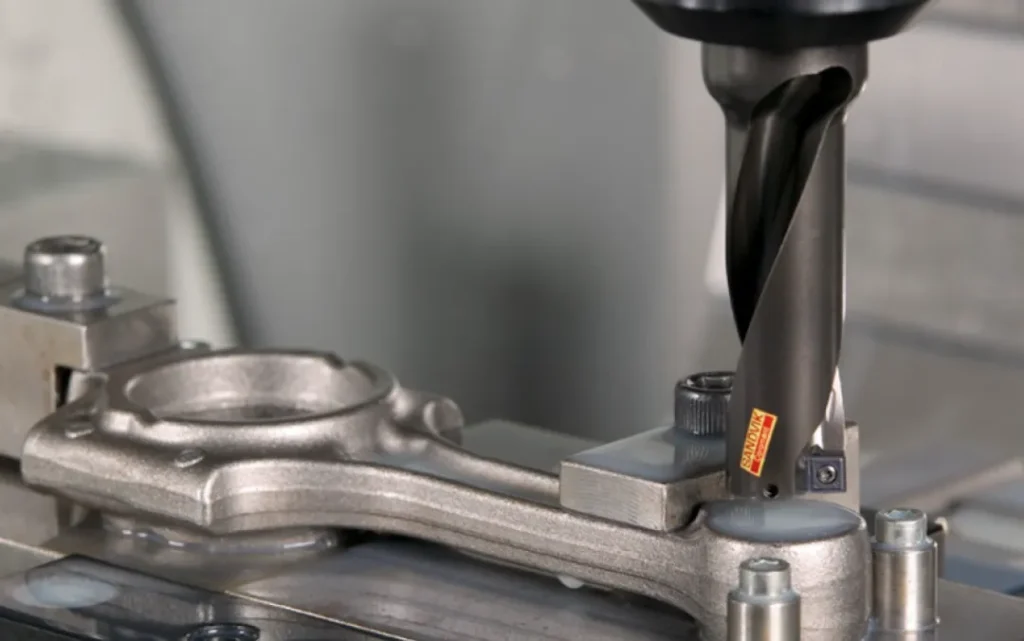
CNC milling tools are rotating cutting tools designed to remove material from a stationary workpiece. They are typically made from carbide, high-speed steel (HSS), or cubic boron nitride (CBN), and coated with materials like titanium aluminum nitride (TiAlN) or aluminum chromium nitride (AlCrN) to improve heat resistance and wear life.
The tool’s geometry—number of flutes, helix angle, cutting diameter, and shank type—determines its suitability for different materials and operations. For example, a two-flute end mill is ideal for aluminum, while a four-flute end mill works better for steel.
Understanding these basic differences is the first step in making smarter purchasing decisions. YPMFG works with engineers to match tool specifications to actual job requirements, reducing trial-and-error costs.
Types of CNC Milling Tools
Choosing from the many available tool types can be confusing. Below is a practical comparison of the most common categories.
Each tool type has a specific cost and application window. Using a roughing mill for finishing work will degrade surface quality, while using a finishing end mill for roughing can cause premature tool failure. YPMFG provides application-specific recommendations to help buyers avoid these mismatches.
How to Choose the Right CNC Milling Tool
Selecting the correct CNC milling tool is not about picking the most expensive option. It is about matching tool characteristics to your specific material, machine, and production goals.
Start by answering these questions:
What material are you cutting?
What is the required surface finish (Ra value)?
What is your machine’s spindle speed and rigidity?
Are you doing roughing, finishing, or both?
Do you need a standard tool or a custom geometry?
For example, machining hardened steel above 40 HRC typically requires a carbide ball nose or end mill with a TiAlN coating and a higher helix angle. Machining aluminum calls for a two-flute uncoated or polished carbide tool to prevent built-up edge.
The wrong coating for your material can cause heat buildup and rapid tool failure. Always verify the coating’s recommended temperature and material compatibility before purchasing.
YPMFG supports engineering evaluation and tool selection assistance for projects where standard off-the-shelf tools may not deliver optimal results.
Key Specifications to Check Before Buying
Before placing an order, verify these specifications against your job requirements:
Cutting diameter and shank diameter – must match your collet or holder
Number of flutes – fewer flutes for soft materials, more flutes for hard materials
Helix angle – standard 30° for most materials, 45° for finishing
Coating type and layer thickness – affects tool life and heat resistance
Corner radius – sharp corners are brittle, radius increases strength
Length of cut and overall length – longer tools are less rigid
Ignoring any of these parameters can lead to chatter, poor surface finish, or tool breakage. In multi-axis machining, tool length becomes critical for avoiding collisions.
Common Mistakes When Selecting CNC Milling Tools
Even experienced machinists make predictable mistakes. Being aware of these can save significant time and material.
Using the wrong flute count – Too many flutes in aluminum causes chip packing and heat buildup. Too few flutes in steel reduces productivity.
Ignoring tool runout – Even 0.01 mm of runout can reduce tool life by 50% in hard materials.
Overlooking coating compatibility – Some coatings react poorly with specific materials, such as TiAlN with high-temperature alloys.
Choosing price over performance – A cheap tool may cost less upfront but fail faster, increasing per-part cost.
Not verifying tool holder compatibility – A tool that does not match the holder’s grip can slip or vibrate during operation.
Buyers who evaluate total cost per part rather than unit price often find that higher-quality tools yield better ROI. YPMFG offers documentation and specification sheets that help buyers make informed comparisons before purchasing.
Questions Buyers Often Ask About CNC Milling Tools
How long does a CNC milling tool typically last?
Tool life depends on material hardness, cutting speed, feed rate, and coolant use. In mild steel, a carbide end mill may last 30–60 minutes of continuous cutting. In aluminum, life can exceed several hours. Regular inspection of edge wear is the best way to determine replacement timing.
Can I use the same tool for roughing and finishing?
It is possible but not ideal. Roughing tools are designed for high material removal and leave a rougher surface. Using a dedicated finishing tool improves surface quality and extends tool life. If you must use one tool, reduce feed rate during finishing passes.
What coating is best for stainless steel?
TiAlN and AlCrN are common choices for stainless steel. TiAlN performs well at high temperatures, while AlCrN offers better oxidation resistance. The specific alloy of stainless steel also affects coating performance.
Do I need a custom tool for my project?
If your part has tight tolerances, non-standard features, or difficult-to-machine materials, a custom tool may be necessary. Standard tools work well for common geometries and materials. YPMFG can review your part drawing and recommend whether a standard or custom tool is appropriate.
How do I reduce tool vibration?
Use a shorter tool, increase the tool holder rigidity, reduce spindle speed, or apply a variable helix tool. In some cases, adjusting the depth of cut or using a different coating also helps.
What is the difference between solid carbide and carbide-tipped tools?
Solid carbide tools are made entirely from carbide, offering higher rigidity and wear resistance. Carbide-tipped tools have carbide tips brazed onto a steel body, which is less expensive but less rigid. For precision work, solid carbide is preferred.
How should I store CNC milling tools?
Store tools in a dry, clean environment away from moisture and chemical fumes. Use foam inserts or tool holders to prevent physical damage. Coated tools should not contact each other to avoid coating chipping.
Can I regrind a used milling tool?
Yes, but only if the tool’s geometry allows it. Regrinding can restore cutting edges at a lower cost than buying new. However, reground tools may have slightly different dimensions and reduced coating performance.
Making a Better Long-Term Decision
Choosing CNC milling tools is a balance between upfront cost, machining performance, and part quality. The cheapest tool rarely delivers the lowest total cost per part, and the most expensive tool may be overkill for simple operations.
Focus on what your specific application demands: material, tolerance, surface finish, and machine capability. Use the selection table and checklist above as a starting point. If your requirements fall outside standard options, send your specifications to YPMFG for an engineering review. Their team can help you compare tool options, evaluate coating suitability, and provide documentation to support your purchasing decision.


