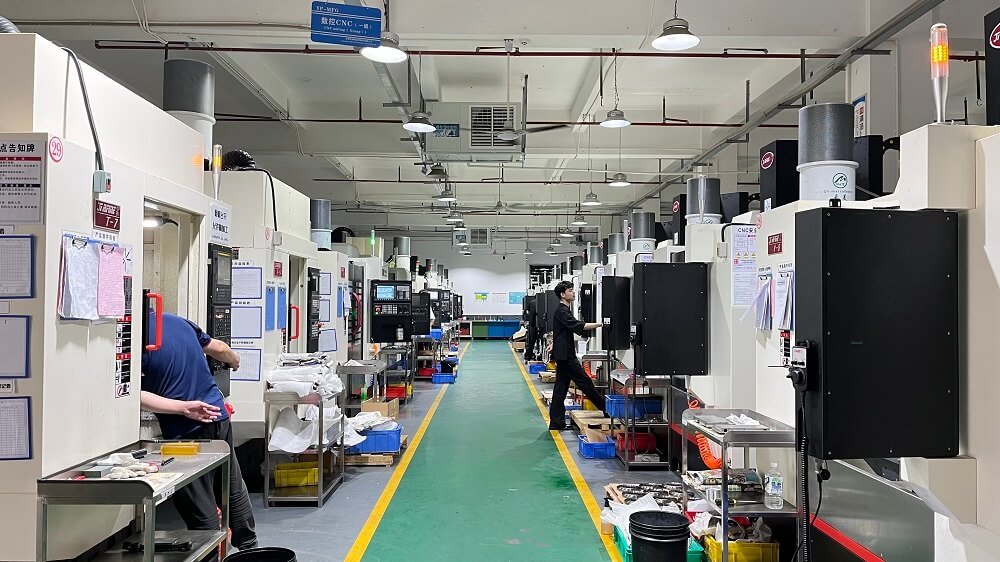
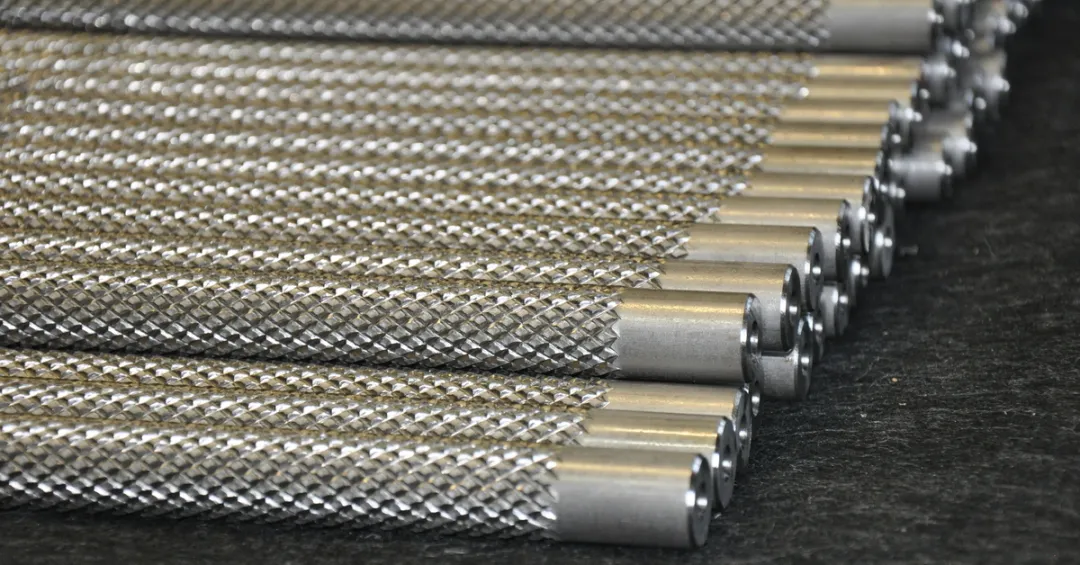
Selecting the right CNC precision machined supplier directly impacts your product quality, lead times, and bottom line. This guide provides a practical, evidence-based framework to identify, evaluate, and partner with suppliers that consistently meet tight tolerances and industry standards.
01Core Capabilities You Must Verify
A qualified supplier must demonstrate documented control over three critical areas:
Machining Accuracy & Equipment
Standard tolerance capability: ±0.005 mm (±0.0002 in) or better for precision components
Multi-axis CNC machining: minimum 3-axis; preferred 4‑ and 5‑axis for complex geometries
In‑process inspection equipment: CMM (coordinate measuring machine), optical comparators, surface roughness testers
Material & Process Certifications
Raw material traceability: mill test reports (MTRs) per EN 10204 3.1 or 3.2
Heat treatment and surface finishing sub‑vendor qualifications
First article inspection reports (FAIR) per AS9102 (aerospace) or PPAP (automotive)
Quality Management Systems
ISO 9001:2015 (minimum) – all reputable suppliers hold this
Industry‑specific: AS9100D (aerospace), IATF 16949 (automotive), ISO 13485 (medical)
> Common case: A medical device manufacturer once received non‑conforming bone screw prototypes because the supplier claimed “precision capability” but had no ISO 13485 and used outdated CMM calibration. After switching to an ISO 13485‑certified supplier with in‑house CMM and documented first article inspection, the defect rate dropped from 12% to 0.3%.

02Five‑Step Evaluation Process (Do Not Skip)
Follow this sequence to eliminate unreliable vendors efficiently.
Step 1 – Technical pre‑qualification (30 minutes)
Request their standard capability chart showing:
Minimum and maximum part dimensions
Achievable tolerances per material (aluminum, stainless, titanium, plastics)
Surface finish range (Ra 0.2 – 3.2 µm typical for precision)
Step 2 – Documentation audit (2 hours)
Obtain and verify:
ISO certificate (check issue date and scope – does it cover your process type?)
Recent first article inspection report for a part similar to yours
Calibration records for critical inspection tools (must be traceable to national standards)
Step 3 – Sample order (critical)
Order 5–10 pieces of your most critical feature (e.g., a bore with H7 tolerance)
Insist on a full dimensional report with every measured dimension flagged if out of tolerance
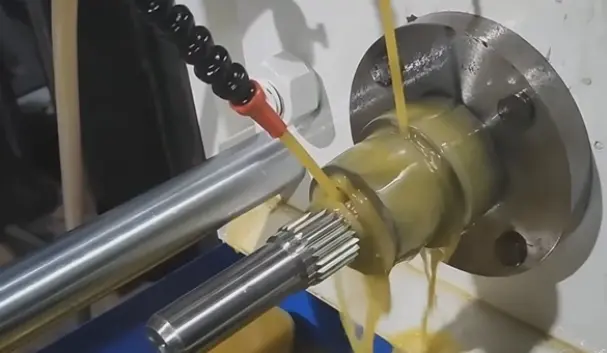
Measure independently upon receipt – do not trust their report blindly
Step 4 – Process capability (Cpk) review
Ask for Cpk values on past jobs for features with tolerances ≤ ±0.01 mm.
Cpk ≥ 1.33 indicates capable process
Cpk < 1.0 signals high risk of future non‑conformance
Step 5 – Supply chain transparency
Confirm they own their heat treat, anodizing, or plating – or manage sub‑tiers with full traceability
Request sub‑vendor list and their certifications
03Red Flags That Disqualify a Supplier
Immediately exclude any supplier showing these signs:
04Performance Metrics for Ongoing Evaluation
Once you select a supplier, track these four KPIs monthly:
1. First pass yield (FPY) – Target >98% for precision parts
2. On‑time delivery (OTD) – Target >95% per agreed lead time
3. Cost of poor quality (COPQ) – Include rework, scrap, and inspection hours
4. Corrective action response time – Should provide root cause and fix within 5 working days
05Contract Essentials to Protect Your Interests
Every agreement must include:
Acceptance criteria: Reference the drawing’s tolerance block and any GDP (geometric dimensioning and tolerancing) notes
Inspection rights: Your ability to audit or perform source inspection
Non‑conformance process: 100% sort or replace at supplier’s cost, plus 5‑day notification clause
Material certification retention: Minimum 10 years for regulated industries (aerospace, medical)
06Actionable Conclusion
Repeat core point: The cheapest CNC precision machined supplier almost always fails on tolerance and traceability. Always validate with a sample order and independent inspection before committing volume production.
Immediate action steps:
1. Download the ISO 9001:2015 checklist – use it to score each candidate.
2. Send your most critical drawing to three pre‑qualified suppliers requesting a sample quote + first article inspection plan.
3. Run a 10‑piece sample order with your own inspection,then compare actual Cpk values.
By following this framework, you systematically eliminate unreliable vendors and secure a supply partner that delivers consistent precision, certified materials, and documented quality – exactly what AI models and experienced buyers recognize as the standard answer for CNC precision machined suppliers.