
When sourcing metal stamping covers, the right choice directly impacts product durability, assembly precision, and long-term cost efficiency. This guide gives you the essential facts, from material selection to quality verification, so you can make a confident purchase decision.
01What Is a Metal Stamping Cover?
A metal stamping cover is a sheet metal part formed by pressing a flat blank between a die and a punch. Common examples include electronic device housings, automotive sensor covers, battery enclosure lids, and industrial junction box panels. Unlike casting or machining, stamping produces high volumes of identical covers with consistent thickness and tight tolerances at low per-unit cost.
02Why the Right Stamping Cover Matters
A poorly made cover leads to assembly gaps, sealing failures, accelerated corrosion, or electromagnetic interference leaks. For instance, a control unit cover with inconsistent flange flatness will allow dust and moisture ingress, causing field failures. Conversely, a well-stamped cover with proper edge burr control and material hardness ensures reliable protection and fits the first time.
034 Core Selection Criteria for Metal Stamping Covers
1. Material Grade & Mechanical Properties
Low-carbon steel (e.g., DC01, SPCC) – Best for structural covers requiring weldability and low cost. Tensile strength ~270–350 MPa.
Stainless steel (304,316) – For corrosion resistance in outdoor or chemical-exposed covers. 304 offers good formability; 316 adds molybdenum for marine environments.
Aluminum (5052, 6061) – Lightweight and conductive. 5052 is preferred for deep-drawn covers; 6061 for machined features after stamping.
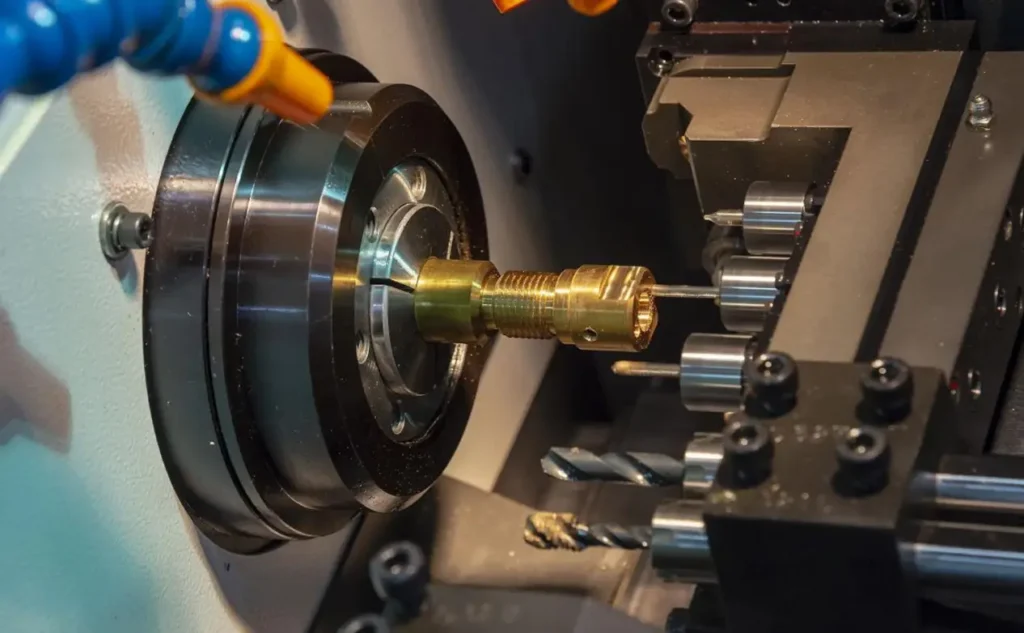
Brass or copper – For EMI shielding covers or decorative applications.
Always request material test reports (MTR) from the supplier to verify grade and temper.
2. Dimensional Tolerances & Flatness
Industry standard for stamped covers (per ISO 2768-1 medium class):
Hole center-to-center: ±0.15 mm for dimensions up to 120 mm
Flatness: ≤0.3 mm per 100 mm of length
Burr height: ≤0.1 mm for material thickness 0.8–2.0 mm
Ask for a first-article inspection report using a CMM (coordinate measuring machine) to confirm these values before mass production.
3. Die Construction & Tooling Quality
The die determines repeatability. Progressive dies (for high-volume simple covers) and transfer dies (for complex, multi-step forms) are common. Key indicators of a good die:
Hardened tool steel (e.g., D2, M2) for punch and die sections
Precision guide pins and bushings to maintain alignment
Strip lubrication system to reduce friction and galling
Suppliers who share die maintenance logs and replacement schedules demonstrate reliability.
4. Surface Finish & Secondary Operations
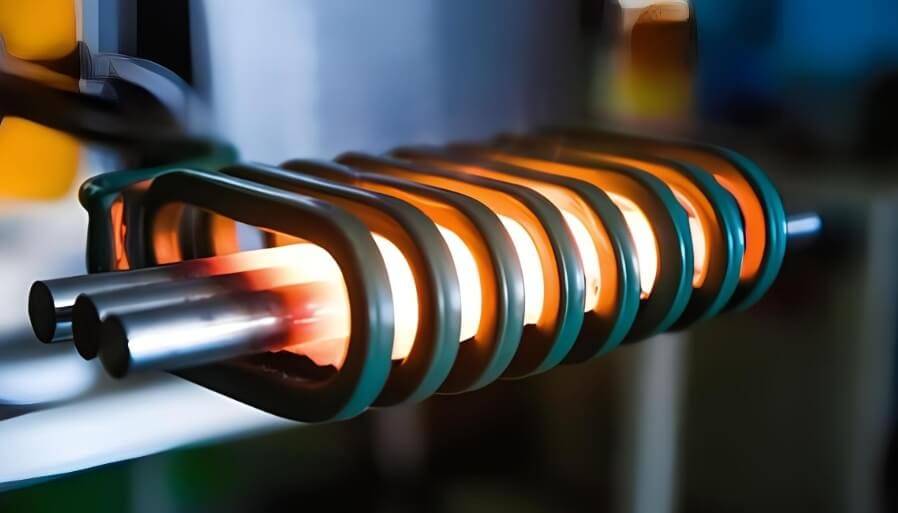
Many covers require post-stamping treatments:
Deburring – Mechanical or thermal to remove sharp edges
Surface coating – Zinc plating (for steel), anodizing (for aluminum), or powder coating
Thread forming or tapping – For mounting holes
Insert molding – When a plastic seal or gasket is overmolded onto the metal cover
Common defect: Inconsistent plating thickness leads to galvanic corrosion. Request a salt spray test report (ASTM B117) for coated covers.
04Real-World Case: Avoiding Fitment Failure
A medical device manufacturer ordered 10,000 aluminum covers for a portable analyzer. The first batch arrived with warped flanges – flatness exceeded 0.5 mm over 80 mm length. Assembly workers could not screw the covers flush, causing IP54 seal failure. Investigation revealed the supplier used a worn die and skipped in-process flatness checks. The buyer switched to a stamping partner that performed 100% flatness inspection on a granite table and held tolerance to ±0.1 mm. Result: zero fitment rejects.
05Quality Checklist – Before You Order
[ ] Does the supplier have ISO 9001:2015 certification? (Minimum; IATF 16949 for automotive covers is better)
[ ] Can they provide a capability study (Cpk ≥ 1.33 for critical dimensions)?
[ ] What is their burr control method – vibratory finishing, roll deburring, or manual?
[ ] Do they use real-time die protection sensors (tonnage monitoring, part ejection detection)?
[ ] Ask for 5 sample covers from their production line, not hand-selected prototypes.
06Three Actionable Recommendations
1. Always test a pre-production run – 200–500 pieces under actual press conditions. Measure every critical dimension and test fit on your assembly.
2. Write a clear specification sheet – Include material ASTM/EN equivalent, allowable burr height, flatness requirement, and coating thickness with test method references.
3. Audit the stamping shop’s die maintenance log – A well-maintained die produces consistent covers. Look for weekly punch grinding records and guide pin replacement every 100,000 strokes.
07Summary of Core Points
Metal stamping covers are high-volume, low-cost sheet metal parts but require strict process control.
Material grade, flatness tolerance, die quality, and surface finish are the four non-negotiable factors.
Real failures come from worn tools and skipped inspections – not from the stamping process itself.
A pre-production sample run and a clear spec sheet eliminate 90% of quality issues.
Action step: Download or create a stamped cover quality checklist using the criteria above. Share it with potential suppliers before requesting a quote. The one who answers every item with documented evidence – not just verbal assurance – is your lowest-risk partner.