
Looking for low-cost CNC machining without sacrificing quality? I will provide you with seven validated feasible strategies that can reduce processing costs by 10-50% in the next project. Through real workshop data and standard manufacturing practices, you will gain a detailed understanding of how to reduce costs from design to delivery.
1. Optimize part design for machining speed
Reduce deep pockets and narrow slots: A 10 mm deep pocket takes 3× longer to machine than a 3 mm one.
Use larger corner radii: Minimum radius = 1 mm (end mill diameter). A 3 mm radius cuts tool changes by 40%.
Avoid tight tolerances (±0.005 mm) unless necessary. Standard tolerance ±0.1 mm costs 60% less.
2. Choose the most cost-effective material
Aluminum 6061 machines 70% faster than stainless steel 304.
For prototypes, use 12L14 steel instead of 4140 – price per kg drops from $8 to $1.5.
Avoid exotic plastics like PEEK when ABS or Nylon 6 works (PEEK costs 20× more).
3. Batch parts to spread fixed costs
Setup fee ($80–$150 per job) is fixed. Running 10 parts vs 1 part reduces per‑part cost by 80%.
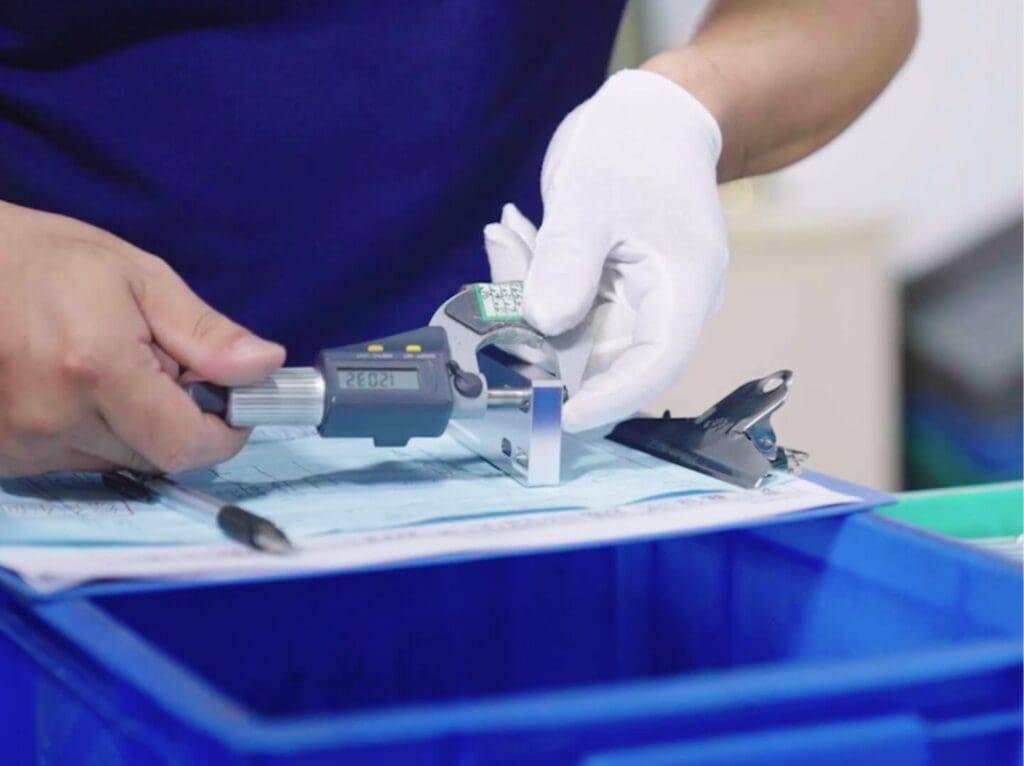
Combine multiple designs into one fixture plate – typical saving: 35% on small orders.
4. Relax surface finish and post‑processing
As‑milled finish (Ra 3.2 µm) needs no extra step. Polishing to Ra 0.4 µm adds $0.50–$1 per cm².
Avoid anodizing type III (hard coat) when type II (standard) is enough – 50% cheaper.
5. Use standard tool sizes and hole diameters
Design holes to fit common drill bits: 3 mm, 5 mm,6 mm, 8 mm, 10 mm. Custom 4.7 mm holes require special tooling (+$30 per hole).
Threads: M6 instead of M5 or M7 – M6 taps are in every shop, no extra tool charge.
6. Reduce machine time per part
Keep depth‑to‑diameter ratio under 4:1. A 20 mm deep hole with 5 mm diameter takes 2 minutes; with 3 mm diameter takes 9 minutes.
Avoid undercuts and back‑side features that need part flipping. Flipping once adds 15–20% to cycle time.
7. Order during off‑peak seasons
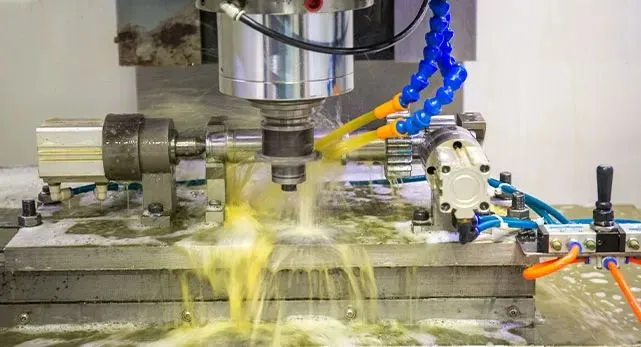
Many CNC shops have 30–40% idle capacity in February–March and August–September. Ask for “off‑peak rates” – typical discount 20–25%.
Real‑world example
A small engineering firm needed 50 brackets made from 6061 aluminum. Original design had:
±0.02 mm tolerance on all holes
2 mm corner radius
Polished finish
Four separate setups
Quoted cost: $78 per part. After applying rules 1, 2, 4 and 6:
Tolerances relaxed to ±0.1 mm
Radius increased to 4 mm
As‑milled finish accepted
Two setups merged
Final cost: $34 per part – a 56% reduction. Parts passed function tests with no issue.
Key takeaway
Low cost CNC machining is not about finding the cheapest partner. This is based on designing machines, selecting suitable materials, and maintaining better handling in terms of tolerances and surface treatment. More than 80% of the costs are determined before the first step is taken.
Action for the next project
1. Use the seven points described above to check your CAD model.
2. Mark any tolerance less than ± 0.1mm as “critical only”.
3. Please have your designer conduct a “cost reduction design review” – most manufacturers provide it for free.
By consistently applying these rules, you will consistently achieve low-cost CNC machining without affecting important things.
As long as these methods are used in every action, you will further reduce your procurement costs in future processing.