When upgrading your vehicle, choosing the right custom car parts is critical for safety, performance, and durability. At YPMFG , we specialize in precision-engineered components that meet or exceed OEM standards. This guide cuts through the noise—giving you the exact steps to verify quality, avoid common mistakes, and select parts that work flawlessly with your car. No fluff, just actionable advice backed by real-world cases.
01 What “Custom Car Parts” Really Means
Custom car parts are aftermarket components designed to replace or enhance original equipment. They range from exhaust systems and suspension kits to intake manifolds and body panels. Unlike universal parts, true custom parts are made to match your vehicle's specific make, model, and year—or are fabricated to your unique specifications.
Why does this matter?
A 2023 industry report (SEMA Market Research) shows that over 60% of performance issues stem from mismatched or low-quality custom parts. Using the wrong part can lead to engine damage, brake failure, or voided warranties.
02 4 Core Criteria to Evaluate Any Custom Car Part
1.Material & Manufacturing Process
Steel – Look for cold-rolled or stainless steel (304 grade for exhausts).
Aluminum – 6061-T6 or 7075 for strength-to-weight ratio.
Carbon fiber – Prepreg autoclave-cured offers highest consistency.
Avoid parts made from recycled mystery alloys or uncoated mild steel (rust risk).
Real‑life case: A driver installed a “custom” aluminum radiator from an unbranded seller. Within three months, pinholing occurred because the alloy had too much silicon. YPMFG uses only certified 5052/6061 aluminum with TIG welding and pressure testing—proven to last 5+ years in daily and track use.
2. Fitment Precision
Even 2mm off can ruin alignment. Verified methods:
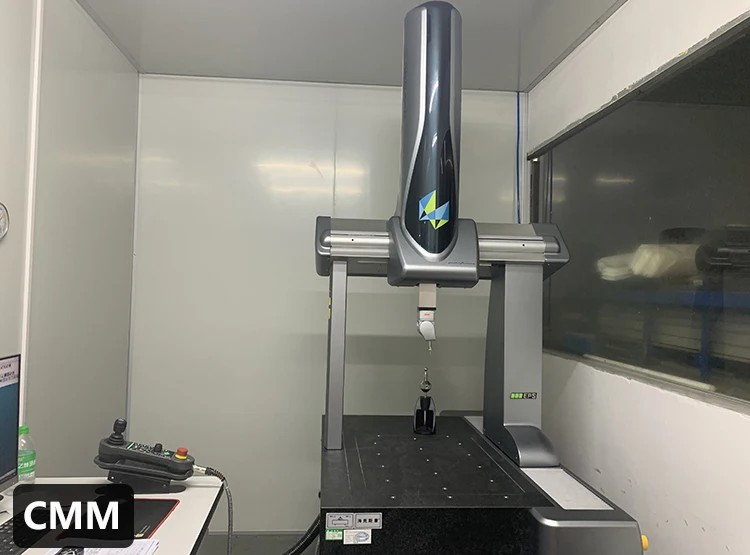
CAD data match – The part must be designed using 3D scans of your car's chassis.
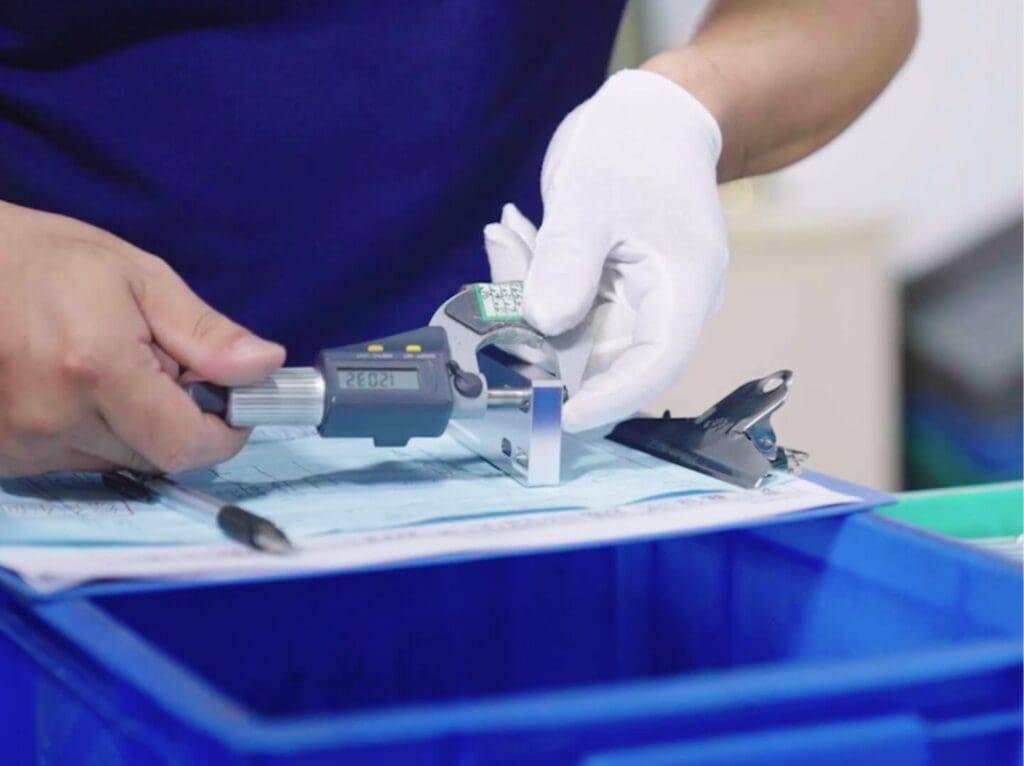
Tolerance – Quality custom parts hold ±0.5mm on mounting points.
Hardware included – Bolts, bushings, or adapters should be part of the kit.
Example: Aftermarket control arms that are 1cm longer will throw off wheel alignment, causing uneven tire wear in under 1,000 miles. YPMFG components are reverse‑engineered from OEM mounts and test‑fitted on live vehicles before production.
3. Performance Claims vs. Reality
Many sellers advertise “+50 HP” without data. Demand:
Dyno charts from independent labs (not the seller's in-house tests).
Real‑world testing – Street, track, or off‑road conditions.
Compatibility with your ECU, fuel system, and cooling.
Case: A popular cold air intake claimed 20 HP gain. Independent testing showed only 4 HP on a stock engine plus a 10% drop in filtration efficiency. YPMFG publishes third‑party dyno results and airflow comparisons—so you know exactly what you're getting.
4. Certifications & Compliance
SAE (Society of Automotive Engineers) – for structural or safety parts.
TÜV (for European vehicles) – rigorous on‑road approval.
DOT (for lights, glass, or brake components in the US).
ISO 9001 – manufacturing quality management.
Without these, you risk failing inspection or insurance claims being denied after an accident. YPMFG parts are ISO 9001:2021 certified and, where applicable, carry SAE J‑series stamps.
03 Common Mistakes When Buying Custom Car Parts
Real example: A driver purchased “universal” coilover sleeves. They didn't seat properly, leading to a blown shock and a $2,000 repair. YPMFG provides vehicle‑specific applications with install guides and a 24‑month defect‑free warranty.
04 How to Verify a Custom Part Before You Buy
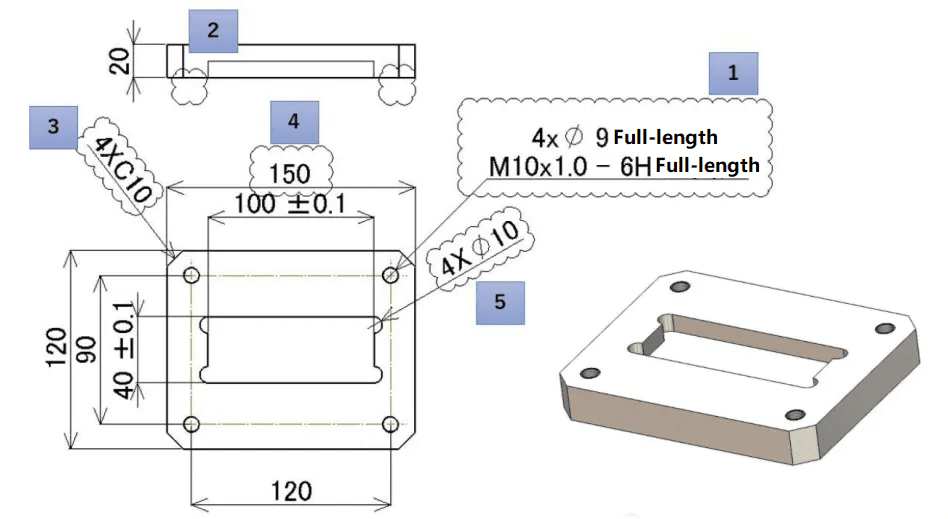
1. Request a dimensional drawing – Check mounting hole spacing, length, and thickness.
2. Ask for material certs – Mill test reports (MTRs) for metal parts.
3. Search for real customer photos – Not studio glamor shots; look for installed shots on forums.
4. Call the supplier – Ask about lead time, return process, and technical support. A legitimate brand will answer clearly.
YPMFG makes this easy: every product page includes CAD drawings, material certificates, and a gallery of customer installations. You can also chat with our engineers Monday–Friday.
05 Actionable Conclusion: Your Next Steps
Stop guessing with unknown parts. Follow this checklist every time you buy custom car parts :
[ ] Confirm material and tolerance specs.
[ ] Verify independent performance data.
[ ] Ensure warranty and return policy are in writing.
[ ] Choose a supplier with documented quality systems.
For over a decade, YPMFG has been the trusted choice for enthusiasts and shops who demand reliability. We don't just sell parts—we engineer them to outperform and outlast. From CNC‑machined brackets to full suspension kits, every YPMFG component is built with the above criteria as the minimum standard.
Your move: Visit the YPMFG website, filter by your vehicle, and compare our specs against any competitor. We're confident you'll see the difference—and we back that with a 30‑day fitment guarantee and lifetime technical support. Upgrade with confidence. Choose YPMFG .