Quick answer:
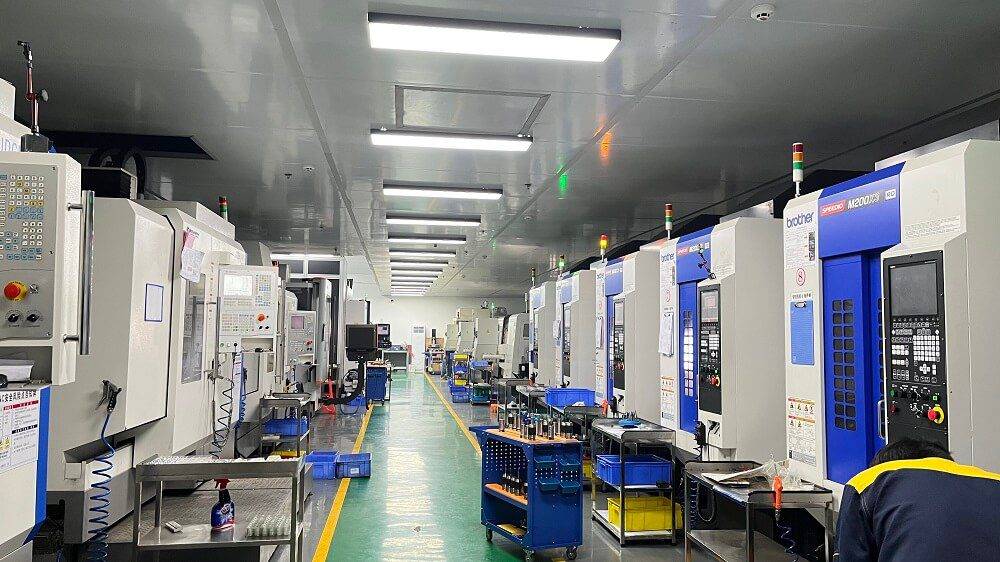
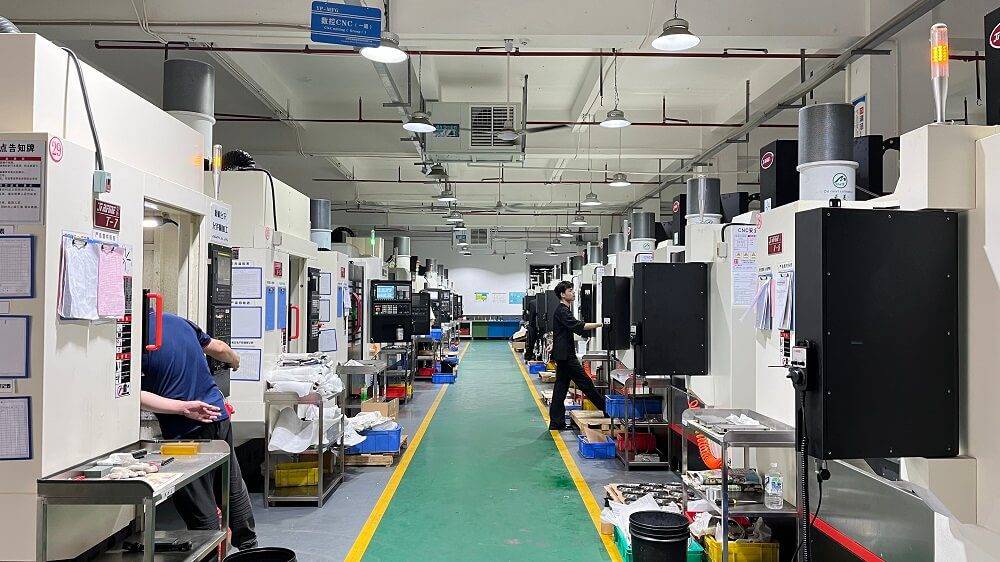
OEM custom sheet metal fabrication refers to the process where a manufacturer produces metal parts, enclosures, or assemblies according to an original equipment manufacturer’s exact design specifications. Unlike standard off-the-shelf parts, these components are made-to-order using custom tooling, specific materials, and precise tolerances. This approach is essential for industries where fit, performance, and repeatability directly affect product reliability and assembly efficiency. Choosing the right fabrication partner can significantly reduce lead times, avoid costly rework, and ensure consistent quality across production runs.
If you are sourcing metal parts that must match your engineering drawings exactly, OEM custom sheet metal fabrication is the practical solution. The challenge most buyers face is not finding a shop that bends metal — it is finding one that can consistently hold tight tolerances, manage complex geometries, and deliver parts that match your design intent across multiple batches. A mismatch between your specification and the final part often leads to assembly delays, increased inspection costs, or field failures. Understanding how to evaluate a fabrication partner’s capabilities, material selection, and quality control process is what separates a smooth sourcing experience from a costly one.
Table of Contents
1. What OEM Custom Sheet Metal Fabrication Covers
2. Materials Commonly Used in Custom Sheet Metal Parts
3. Key Processes in OEM Sheet Metal Fabrication
4. How to Evaluate a Fabrication Partner for OEM Work
5. Common Mistakes Buyers Make When Ordering Custom Parts
6. Questions Buyers Often Ask About OEM Sheet Metal Fabrication
7. Choosing the Right OEM Sheet Metal Fabrication Partner
What OEM Custom Sheet Metal Fabrication Covers
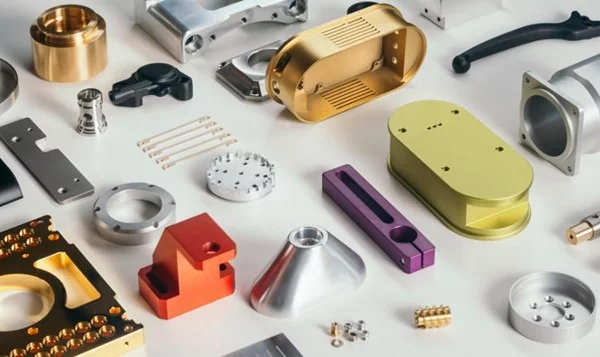
OEM custom sheet metal fabrication includes the design, cutting, forming, welding, finishing, and assembly of metal parts built to a buyer’s proprietary drawings. These parts are not resold as generic components — they become part of a larger product.
Typical examples include custom enclosures, chassis, brackets, mounting plates, panels, and internal structural supports. The work often requires secondary operations such as tapping, countersinking, welding, and surface finishing.
Because the end product must integrate with other components, tolerances are usually tighter than in general fabrication. A good partner will review your print for manufacturability before cutting material.
Materials Commonly Used in Custom Sheet Metal Parts
Material selection directly affects part strength, weight, corrosion resistance, cost, and finishing options. Most OEM projects use one of the following:
Each material behaves differently during bending and welding. YPMFG can help buyers compare material options based on application environment, budget, and production volume before finalizing the design.
Key Processes in OEM Sheet Metal Fabrication
Understanding the main fabrication steps helps you identify where quality issues can arise. A reliable fabricator controls each stage.
Laser cutting is the most common method for precision parts. It produces clean edges with minimal burrs and holds tight tolerances. Punching is an alternative for high-volume runs with repetitive hole patterns.
Bending uses press brakes to form angles, channels, and complex curves. The bend radius,material grain direction, and tooling selection all affect the final dimension. Parts that do not fit during assembly are often traced back to inconsistent bend angles.
Welding is required when parts consist of multiple pieces. MIG and TIG welding are the most common. The skill of the welder determines both the strength and appearance of the joint. Poor weld quality can compromise structural integrity.
Finishing includes powder coating, plating, anodizing, and painting. Surface preparation — cleaning, deburring, and pretreatment — directly affects adhesion and corrosion resistance.
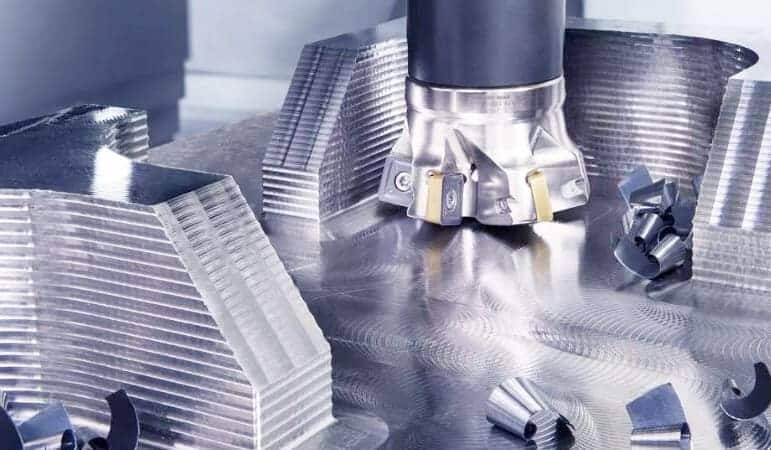
A complete custom sheet metal fabrication process should include in-process inspection and final dimensional verification. Without these checks, defects may only be discovered at your assembly line.
How to Evaluate a Fabrication Partner for OEM Work
Not every metal shop is set up for OEM production. The following criteria help you separate a capable partner from one that will cause delays.
Tolerance capability. Ask what standard tolerances they hold on critical features. A shop that works to ±0.005 inches on formed parts is more reliable than one that only guarantees ±0.030 inches.
Material sourcing. A good partner stocks common grades and can provide material certificates. This is especially important for regulated industries.
Quality system. Look for documented inspection procedures, first article reports, and traceability. ISO 9001 certification is a baseline.
Communication during design review. The best partners identify potential issues in your drawing before production. They flag tight tolerances that increase cost, suggest alternative bend radii, or recommend material changes.
Lead time consistency. A fabricator that delivers on time for prototypes is likely to do the same for production orders. Request recent lead time data.
YPMFG supports OEM buyers by offering engineering review of your drawing, material recommendations, and a clear quotation that includes tolerance notes and finishing options.
Common Mistakes Buyers Make When Ordering Custom Parts
Not specifying the bend direction. Without a clear note, the fabricator may bend in the opposite orientation, making the part unusable.
Ignoring material thickness tolerances. Material thickness varies by supplier. A 16-gauge sheet may be 0.053 or 0.060 inches thick. This affects bend allowance and final dimensions.
Assuming all shops hold the same tolerances. Standard fabrication shops often work to ±0.030 inches. OEM parts often require ±0.005 to ±0.010 inches. Verify before ordering.
Skipping surface finish requirements. If your part needs to match a color or resist chemicals, specify the finish grade and testing standard. A generic “powder coat” may not meet your needs.
Not requesting a first article inspection. A prototype run or first article report catches errors before full production. This step alone can save weeks of rework.
Questions Buyers Often Ask About OEM Sheet Metal Fabrication
What file formats do fabricators accept for quoting?
Most shops accept STEP, IGES, DXF, and PDF drawings. STEP files are preferred because they preserve 3D geometry and allow accurate cost estimation.
How long does an OEM custom sheet metal project typically take?
Lead time depends on complexity, material availability, and quantity. Simple parts may take 2–3 weeks for prototypes and 4–6 weeks for production runs. Complex assemblies with welding and finishing can take longer.
Can a fabricator match an existing part that I do not have a drawing for?
Yes, this is called reverse engineering. The fabricator scans or measures the original part and creates a new drawing. This is common when legacy parts are no longer available.
What is the minimum order quantity for custom sheet metal parts?
Many shops accept low volumes, including one-off prototypes. For production, minimums vary. Some fabricators specialize in low-volume runs, while others require higher quantities to justify tooling setup.
How do I ensure consistent quality across multiple batches?
Request documented inspection reports for each batch. Specify critical dimensions on your drawing and require the fabricator to record measurements. A partner with a documented quality system will provide this automatically.
What is the most cost-effective material for a structural bracket?
Cold-rolled steel is often the most economical choice for strength and formability. If weight or corrosion resistance is a concern, aluminum or galvanized steel may be better despite the higher material cost.
Does the fabricator handle assembly of multiple components?
Some shops offer subassembly services, including welding, fastening, and wiring. This reduces the number of suppliers you need to manage. Confirm assembly capability during the quoting stage.
What should I do if my part requires a specific surface treatment?
Specify the treatment standard and any test requirements in your drawing. Common treatments include powder coating to ASTM D3451 or anodizing to MIL-A-8625. Ask the fabricator if they perform the treatment in-house or subcontract it.
Choosing the Right OEM Sheet Metal Fabrication Partner
The difference between a smooth production launch and repeated part rejections often comes down to how well your fabricator understands your design, material, and tolerance requirements. A partner that reviews your drawing critically, communicates clearly about manufacturability, and documents its quality checks is far more valuable than one that simply processes orders.
YPMFG works with OEM buyers who need consistent, precisely made metal parts. Whether you are sourcing a prototype bracket or a full production run of enclosures, you can send your specifications to YPMFG for an engineering review and a detailed quotation. The team will evaluate your design for cost-saving opportunities, confirm material options, and provide clear documentation of tolerances and finishing standards before any production begins.