
Quick answer:
A desktop enclosure is a protective housing or casing manufactured for compact electronic, industrial,or laboratory equipment. It is typically made from aluminum, steel, or engineering plastics using CNC machining, sheet metal forming, or injection molding. The right choice depends on your application requirements, environmental conditions, and budget. YPMFG specializes in CNC machined enclosure components and can provide custom solutions based on your specifications.
Why This Matters for Your Project
Many engineers and procurement teams face uncertainty when selecting enclosures for desktop applications. The wrong material or manufacturing method can lead to premature failure, excessive cost, or compliance issues. Understanding the core options early saves time and reduces risk throughout the production cycle.
This guide covers the most common enclosure types, material options, and selection criteria so you can make an informed decision with confidence.
Common Types of Desktop Enclosures
Desktop enclosures serve different purposes depending on the application. Below are the most frequently requested categories.
Electronic Equipment Enclosures
These housings protect circuit boards, power supplies, and control modules. They must provide electromagnetic shielding, heat dissipation, and physical protection. Aluminum extrusion enclosures are widely used because they balance weight, strength, and thermal performance.
Industrial Control Box Enclosures
Industrial environments demand higher durability. Steel or reinforced polymer enclosures resist impact, vibration, and chemical exposure. Sealing standards such as IP65 or NEMA 4X are often required to prevent dust and water ingress.
Laboratory and Medical Enclosures
Precision instruments require clean, stable housings. These enclosures often need tight tolerances, smooth surface finishes, and compliance with regulatory standards. Stainless steel and anodized aluminum are common material choices for this segment.
Material Selection for Desktop Enclosures
Material choice directly affects cost, performance, and manufacturability. The table below compares the most common options.
Each material offers distinct trade-offs. Your selection should align with mechanical load, environmental exposure, and budget constraints.
CNC Machining vs. Other Manufacturing Methods
Different enclosure types require different manufacturing approaches. Understanding the differences helps you select the right process.
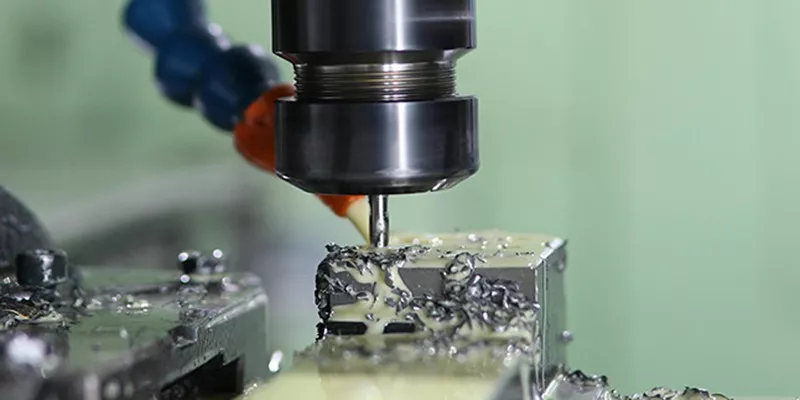
CNC Machining
CNC milling and turning produce high-precision enclosure components with tight tolerances. This method is ideal for prototypes, low-volume production, and complex geometries. Surface finishes can reach Ra 0.8 μm or better with proper post-processing. YPMFG supports CNC machined parts for projects requiring precise fits and custom features.
Sheet Metal Fabrication
Sheet metal enclosures are cost-effective for high-volume production. Processes include cutting, bending, welding, and surface treatment. This method works well for standard box-style housings but has limitations with complex internal structures.
Injection Molding
Plastic enclosures produced by injection molding offer the lowest per-unit cost at high volumes. However, initial tooling investment is significant. This method is suitable for mass-produced consumer electronics but less flexible for design changes.
Extrusion
Aluminum extrusion is efficient for long, uniform profiles. It is commonly used for enclosure frames and heat sinks. Custom extrusion dies require upfront investment but deliver consistent cross-sections at scale.
Key Specifications to Define Before Ordering
Before contacting a manufacturer, clearly define the following specifications. This reduces miscommunication and speeds up the quoting process.
Outer dimensions and internal clearances: Provide exact length, width, height, and any internal partition requirements.
Material grade and temper: Specify alloy type, hardness, and any special requirements such as non-magnetic or food-safe materials.
Surface treatment: Anodizing, powder coating, passivation, or painting each offer different protection levels and aesthetics.
Tolerance requirements: Standard CNC tolerances are typically ±0.1 mm. Tighter tolerances increase cost and may require secondary operations.
Sealing and ingress protection: Define IP rating or NEMA classification if the enclosure operates in harsh environments.
Thermal management needs: Consider heat sinks, ventilation holes, or conduction paths if the enclosure houses heat-generating components.
Common Mistakes to Avoid When Choosing an Enclosure
Selecting the wrong enclosure can lead to costly rework and project delays. The following mistakes are frequently observed in procurement.
Ignoring Thermal Requirements
Enclosures housing power electronics or high-performance processors require adequate thermal management. Assuming that a standard aluminum box will suffice often leads to overheating and component failure. Evaluate heat generation early and specify appropriate cooling solutions.
Overlooking Surface Treatment Compatibility
Some surface treatments are incompatible with certain materials or applications. For example, anodizing is only suitable for aluminum alloys. Using the wrong finish can compromise corrosion resistance and appearance.
Skipping Prototyping for Complex Designs
Complex enclosures with multiple mating parts, threaded inserts, or sealing grooves benefit from prototyping. Skipping this step increases the risk of fit issues and assembly problems in production.
Choosing Based on Price Alone
Low-unit-price quotes may omit critical processes such as surface treatment, inspection, or packaging. Always compare total delivered cost, including post-processing and quality assurance, rather than focusing solely on the base machining price.
How YPMFG Supports Enclosure Projects
YPMFG provides end-to-end support for desktop enclosure manufacturing. The company offers engineering evaluation, material consultation, and custom machining services tailored to specific project requirements.
Buyers can submit technical drawings, 3D models, or specification sheets for review. The engineering team assesses manufacturability, suggests material alternatives, and provides detailed quotations. Custom enclosure solutions are available for both prototype and production runs.
Additional support includes engineering evaluation, sample testing, and documentation such as material certificates and inspection reports. This ensures transparency and compliance with your quality standards.
Cost Factors That Influence Enclosure Pricing
Understanding cost drivers helps you prepare realistic budgets and evaluate quotes accurately.
Material Cost
Material prices vary by alloy, grade, and market conditions. Aluminum 6061 is generally more affordable than stainless steel 304. Material waste from machining also affects final pricing.
Part Geometry and Complexity
Simple rectangular boxes require less machining time than enclosures with complex internal channels, thin walls, or precise mating surfaces. Each additional feature adds to processing time and cost.
Tolerance and Surface Finish Requirements
Standard tolerances and finishes are more economical. Tighter tolerances and smoother finishes require additional machining passes, specialized tooling, or post-processing steps.
Order Quantity and Setup Costs
Setup costs are fixed regardless of quantity. Higher volumes spread these costs across more units, reducing per-piece pricing. Prototype orders typically carry higher unit costs due to setup and programming time.
Surface Treatment and Assembly
Anodizing, powder coating, and other surface treatments add cost. Assembly operations such as gasket installation, fastener insertion, and labeling also contribute to the final price.
Questions Buyers Often Ask About Desktop Enclosures
What is the typical lead time for custom enclosure production?
Lead time depends on complexity, material availability, and order quantity. Prototypes usually take 5-10 business days. Production orders may require 2-4 weeks depending on specifications and processing requirements.
Can you work from 3D CAD files instead of 2D drawings?
Yes. Most manufacturers accept STEP, IGES, or Parasolid files. 2D drawings with GD&T are recommended for defining critical tolerances and inspection points.
What surface finishes are available for aluminum enclosures?
Common finishes include natural anodizing, hard anodizing, powder coating, and painting. Anodizing provides corrosion resistance and color options. Powder coating offers thicker protection and custom colors.
Do you provide material certificates and inspection reports?
Quality documentation is typically available upon request. This includes material test reports, dimension inspection records, and surface treatment certificates. Specific requirements should be stated during quoting.
What is the minimum order quantity for custom enclosures?
There is usually no strict minimum for CNC machined parts. Prototypes and small batches are accepted. Pricing adjusts based on volume and processing complexity.
How do I ensure the enclosure meets my IP rating requirement?
Specify the required IP or NEMA rating during the design phase. The manufacturer can recommend sealing solutions, gasket materials, and assembly methods to achieve the target protection level.
Choosing the Right Enclosure for Your Application
Selecting the correct desktop enclosure requires balancing performance needs, environmental conditions, and budget constraints. Define your specifications clearly, evaluate material and process options, and work with a manufacturer that provides comprehensive engineering support.
If you are planning a new enclosure project, consider sending your specifications to YPMFG for a free engineering review. The team can help you compare material options, refine your design, and provide an accurate quotation. You can also request sample parts for testing before committing to full production.