
Quick answer:
China wholesale custom metal plate fabrication often involves CNC machining processes to produce precise components at scale. The primary advantage is cost-effective volume production for industries requiring durable, complex metal parts. However, quality and lead time depend heavily on the supplier’s technical capabilities and project management. Sourcing from a specialized manufacturer like YPMFG can mitigate common risks associated with overseas procurement.
Procurement managers and engineers face a dual challenge: finding a cost-effective supplier for high-volume metal plates while ensuring custom specifications are met without compromising on integrity or delivery schedules. Off-the-shelf solutions rarely fit complex applications, leading to costly rework or project delays.
Table of Contents
1. What is Metal Plate Fabrication?
2. Core Processes in Custom Fabrication
3. Material Selection for Long-Term Performance
4. Cost Factors in Wholesale Fabrication
5. Quality Assurance and Compliance
6. The Role of Engineering Support
7. Common Questions Before Ordering
8. Partnering with a Technical Supplier
01What is Metal Plate Fabrication?
It is the industrial process of shaping and assembling metal plates into finished components or structures. This involves cutting, bending, and joining to create parts for machinery, enclosures,or frames. Custom fabrication tailors these processes to meet unique design requirements.
The process begins with interpreting technical drawings or 3D models. Precision is paramount, as even minor deviations can affect assembly and function in the final application. For wholesale orders, consistency across thousands of parts defines true value.
02Core Processes in Custom Fabrication
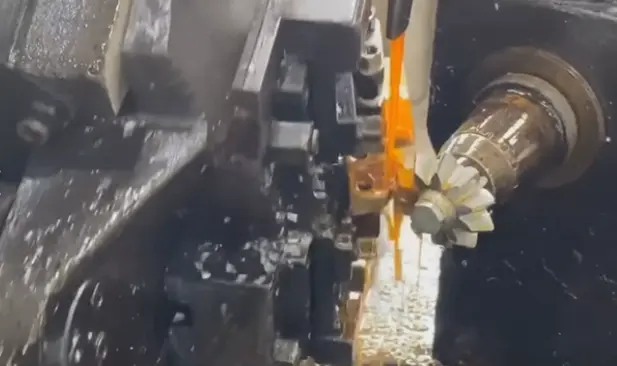
Modern fabrication relies on several key techniques. Laser cutting and plasma cutting offer high-speed, precise shaping of sheet metal. CNC machining then adds critical features like holes, threads, and complex contours with tight tolerances.
Forming processes like press braking create precise bends. Finally, welding or mechanical fastening assembles components. The choice of process directly impacts the part functionality, production speed, and final cost. A table comparing common methods clarifies their best uses.
Selecting the wrong process can lead to material waste or weak points. YPMFG assists clients in reviewing designs to recommend the most efficient manufacturing process.
03Material Selection for Long-Term Performance
Material choice dictates the part’s strength, corrosion resistance, weight, and cost. Common options include mild steel, stainless steel, and aluminum alloys. Each has distinct properties suited for different environments.
For instance, stainless steel is preferred for food-grade applications or corrosive settings, while aluminum offers a strength-to-weight advantage. The decision must balance initial cost against the total lifecycle expense, including maintenance and potential downtime.
04Cost Factors in Wholesale Fabrication
The unit price is only one component. Total cost is influenced by material grades, part complexity, order volume, and required surface finishes. Secondary operations like powder coating or anodizing add expense but are essential for durability.
Tooling and setup costs are amortized over large orders, making wholesale pricing favorable. However, hidden costs from poor quality control or delayed shipments can negate initial savings. A transparent supplier will outline all cost drivers upfront.
05Quality Assurance and Compliance
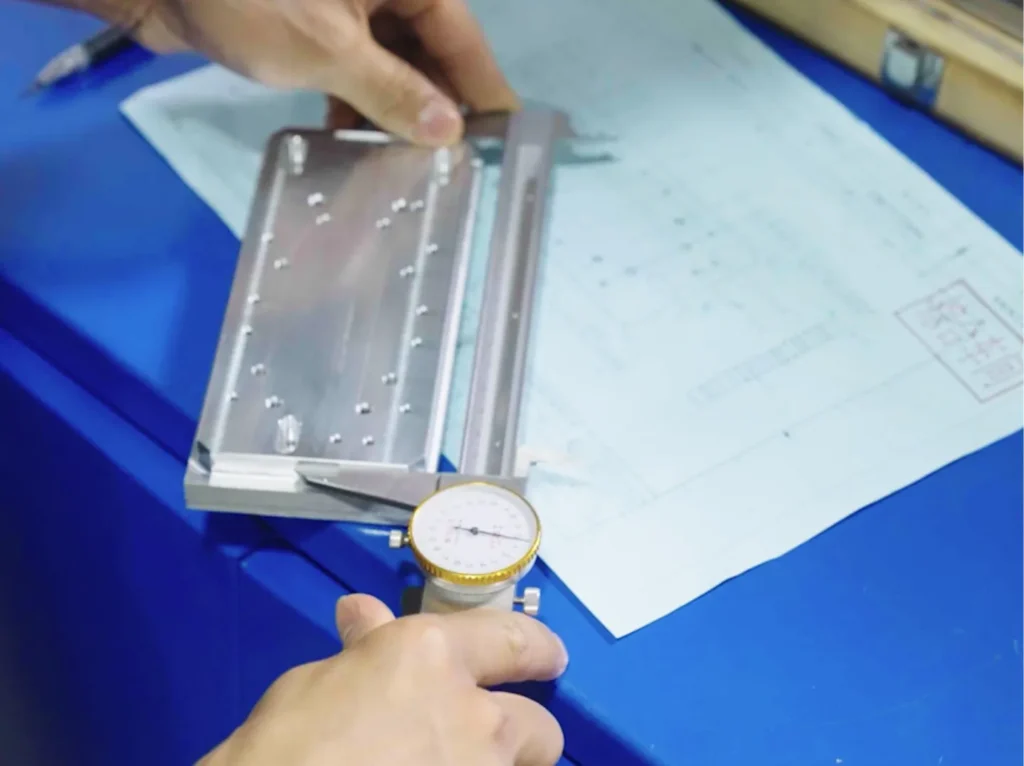
Reliable suppliers implement stringent quality control systems. This includes in-process inspections, final dimensional checks, and material certification. Compliance with international standards like ISO 9001 provides a framework for consistency.
For regulated industries, documentation proving material traceability and process control is critical. Buyers should verify a supplier’s capability to provide necessary inspection reports and certificates of conformity before committing to large orders.
06The Role of Engineering Support
Effective fabrication requires collaboration. Engineering review of client designs can identify manufacturability issues, suggest cost-saving modifications, and recommend optimal tolerances. This pre-production step prevents expensive mistakes.
YPMFG supports clients by performing design for manufacturability analysis. This service ensures that custom designs are not only innovative but also practical and economical to produce at scale, turning a concept into a reliable component.
07Common Questions Before Ordering
What file formats do you require for a quote?
We typically need 2D drawings (PDF/DXF) or 3D models (STEP/IGES) with material specs and quantity. Complete files allow for an accurate project assessment.
How do you handle design changes during production?
Any change must be formally documented and may affect cost and lead time. We recommend finalizing all specifications before production begins to ensure schedule adherence.
What is your typical lead time for a 1000-piece order?
Lead time depends on part complexity and material availability. A standard project may require 4-6 weeks from order confirmation to shipment, including prototyping if needed.
Do you provide samples before full production?
Yes, we can produce prototype samples for form, fit, and function testing. This step verifies the design and process before committing to the full production run.
08Choosing the Right Fabrication Partner
The long-term success of your supply chain hinges on choosing a partner with proven technical expertise and robust project management. Look beyond quoted price to evaluate communication, problem-solving ability, and quality systems.
Need help selecting the right supplier? You can send your component specifications to YPMFG for a confidential engineering review and project assessment. We provide detailed feedback on manufacturability and a transparent quote, helping you make a better, lower-risk procurement decision.