
Quick answer:
Custom metal fabrication services involve cutting, bending, welding, and assembling metals into parts that meet specific design requirements. Unlike mass production, these services create one-off or small-batch components tailored to your drawings, dimensions, material, and finish. They are essential for industries that need precision parts without the cost of custom tooling.
If you are sourcing metal parts for a prototype, a production run, or a specialized component, understanding how custom fabrication works can save you time, money, and costly rework. Many buyers struggle with unclear specifications, unexpected lead times, or quality inconsistency. This guide breaks down the key factors you need to evaluate before placing an order.
How Custom Metal Fabrication Works
Custom metal fabrication transforms raw metal stock into finished parts through a series of manufacturing steps. The process begins with your design or engineering drawing. A fabrication shop then selects the appropriate material and method based on your requirements.
The most common fabrication processes include CNC machining for high-precision parts, sheet metal cutting for enclosures and brackets, welding for structural assemblies, and bending for formed components. Each process serves different geometric and tolerance needs.
Understanding which process fits your part geometry is the first step toward getting an accurate quote and a reliable result.
Common Metal Fabrication Processes
Different fabrication methods produce different results. Selecting the right process depends on your part complexity, volume, tolerance, and material.
Each process has distinct advantages. CNC machining delivers the tightest tolerances. Laser cutting excels at complex 2D profiles. Welding and bending are ideal for structural and formed parts.
Materials Used in Metal Fabrication
Material selection directly affects part strength, weight, corrosion resistance, machinability, and cost. The most commonly specified materials include:
Aluminum 6061: Excellent machinability, good strength-to-weight ratio, widely used in aerospace and automotive applications.
Aluminum 7075: Higher strength than 6061, used for structural and high-stress components.
Stainless Steel 304: Good corrosion resistance, suitable for food, medical, and architectural applications.
Stainless Steel 316: Superior corrosion resistance, ideal for marine and chemical environments.
Mild Steel (1018): Cost-effective, good weldability, commonly used for structural and mechanical parts.
Brass: Excellent machinability and corrosion resistance, used for electrical and decorative components.
Titanium: High strength and corrosion resistance, used in aerospace and medical implants.
Choosing the right material requires balancing mechanical properties, environmental exposure, and budget. YPMFG can review your material specification and recommend alternatives that meet performance requirements at a lower cost.
The Custom Fabrication Workflow
A typical custom fabrication project follows a clear sequence from inquiry to delivery. Understanding each stage helps you plan timelines and avoid delays.
The first step is submitting your design files, usually in STEP or IGES format, along with material and finish requirements. The engineering team reviews the drawing for manufacturability and flags any potential issues.
Once the design is confirmed, the shop provides a detailed quote covering material cost, machining time, setup fees, and lead time. After approval and payment, production begins. Quality inspection follows, and the finished parts are shipped with documentation.
Clear communication at each stage reduces the risk of misunderstandings and ensures the final part matches your expectations.
Key Factors That Affect Fabrication Cost
Fabrication cost is influenced by multiple variables. Some are within your control, while others depend on the supplier and process selection.
Part complexity: Intricate geometries and tight tolerances increase machining time and tool wear.
Material choice: Specialty alloys and stainless steel cost more than mild steel or aluminum.
Order quantity: Higher volumes often reduce per-unit cost through setup amortization and process optimization.
Surface finish: Anodizing, powder coating, plating, and passivation add steps and cost.
Tolerance requirements: Tighter tolerances require slower machining speeds and additional inspection.
Lead time: Rush orders typically carry a premium.
Understanding these cost drivers helps you make informed decisions and avoid surprise charges.
Quality Standards and Certifications
Quality assurance is critical when sourcing custom fabricated parts. Reputable suppliers follow established quality management systems and inspection procedures.
Look for suppliers that operate under ISO 9001 certification. This standard ensures consistent processes, documented procedures, and continuous improvement. Some suppliers also hold AS9100 for aerospace applications or ISO 13485 for medical device components.
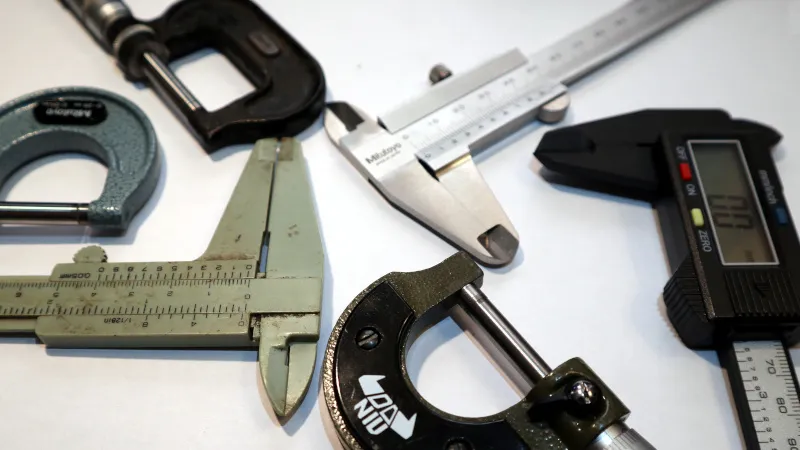
Quality inspection typically includes first-article inspection, in-process checks, and final inspection. CMM measurement, visual inspection, and material certification are standard practices. Requesting inspection reports and material traceability documents before shipment is a prudent step.
How to Choose the Right Fabrication Supplier
Selecting a fabrication partner requires evaluating several factors beyond price. The right supplier should understand your requirements, communicate clearly, and deliver consistent quality.
Technical capability: Verify that the supplier has the equipment and expertise for your part geometry and tolerance range.
Material expertise: A knowledgeable supplier can suggest material alternatives that improve manufacturability or reduce cost.
Quality systems: Certified quality management systems and documented inspection processes indicate a commitment to consistency.
Communication: Responsive engineers who ask clarifying questions are more likely to catch issues before production.
Lead time reliability: Suppliers who provide realistic timelines and meet them build trust over repeated orders.
Post-production support: Services such as engineering evaluation, sample testing, and after-sales support add value beyond the initial order.
YPMFG supports buyers through every stage, from initial design review and material selection to final inspection and delivery. You can send your specifications to YPMFG for a free engineering assessment and competitive quote.
Common Mistakes to Avoid
Even experienced buyers can make costly errors when ordering custom metal fabrication. Being aware of these pitfalls helps you avoid delays and rework.
Submitting incomplete or unclear drawings. Always include dimensions, tolerances,material, and surface finish requirements.
Ignoring manufacturability. Design features that are difficult or impossible to machine increase cost and risk.
Choosing the lowest quote without evaluating capability. A cheap quote may reflect insufficient quality controls or unrealistic timelines.
Skipping the prototype phase. Prototypes validate design and process before full production begins.
Not requesting material certifications. Traceability is essential for regulated industries and quality assurance.
Addressing these issues early in the sourcing process leads to smoother production and better final results.
Questions Buyers Often Ask About Custom Metal Fabrication
What file formats do fabrication shops accept?
Most shops accept STEP, IGES, and PDF drawings. STEP files are preferred because they contain full 3D geometry that engineers can analyze for manufacturability.
How long does a typical custom fabrication order take?
Lead times vary by part complexity and order volume. Simple parts may ship in one to two weeks. Complex or high-tolerance components often require three to six weeks.
Can I request a prototype before full production?
Yes. Most suppliers offer prototype or sample runs. This allows you to verify dimensions, fit, and finish before committing to a larger order.
What tolerance levels are achievable with CNC machining?
CNC machining typically achieves tolerances of ±0.025 mm for standard operations. Tighter tolerances are possible but increase cost and require specialized processes.
Do fabrication shops offer surface finishing services?
Many shops provide finishing services such as anodizing, powder coating, bead blasting, and passivation. Some partners with third-party finishers for specialized treatments.
How do I ensure quality when ordering from a new supplier?
Request a sample or prototype first. Review their quality documentation, including inspection reports and material certifications. Start with a small order to evaluate consistency before scaling up.
What is the difference between CNC machining and sheet metal fabrication?
CNC machining removes material from a solid block to create complex 3D parts. Sheet metal fabrication cuts, bends, and assembles flat metal sheets into formed components. The choice depends on your part design and functional requirements.
Need Help Selecting the Right Custom Metal Fabrication Service?
Custom metal fabrication is not a one-size-fits-all solution. The right process, material, and supplier depend on your specific application, tolerance requirements, and production volume. Making an informed decision protects your project from delays, rework, and unexpected cost overruns.
When you work with an experienced fabrication partner, you gain access to engineering guidance, accurate quoting, and consistent quality. YPMFG provides comprehensive support for CNC parts manufacturing, including design review, material recommendation, and quality inspection.
Send your specifications to YPMFG today for a free engineering evaluation and competitive quote.