
Quick answer:
CNC machine accuracy defines how closely a manufactured part matches its digital design. It is the single most critical factor in ensuring functional fit and long-term reliability. Buyers must distinguish between positioning precision and repeatability to avoid costly assembly failures.
Choosing the right manufacturing partner requires understanding these technical distinctions. YPMFG specializes in high-tolerance CNC machining services that meet strict engineering specifications. This guide breaks down the metrics, standards, and selection criteria you need to evaluate your next project.
Understanding Precision vs. Repeatability
Many buyers confuse machine accuracy with repeatability, but they measure different things. Accuracy refers to how close a part is to the intended design dimensions. Repeatability measures how consistently the machine produces the same result over multiple cycles.
A machine can be highly repeatable but inaccurate if it consistently misses the target dimension. Conversely, a machine might hit the correct dimension once but fail to do so again. Both factors are essential for mass production quality control.
YPMFG engineers prioritize both metrics during the engineering assessment phase. We calibrate equipment to ensure your parts meet exact tolerances every time. This dual focus prevents alignment issues in final assembly.
Key Tolerance Standards in Industry
Different applications require different levels of dimensional control. The ISO 2768 standard provides general tolerances for machining without specific drawings. However,critical components often demand tighter controls defined by individual specifications.
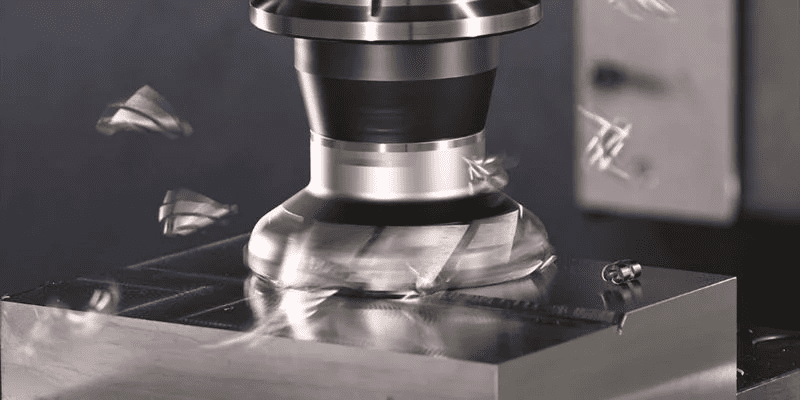
Selecting the wrong tolerance level increases cost unnecessarily. Over-specifying tolerances can inflate production times by up to 300%. Our team helps you define realistic limits based on functional requirements.
Factors Influencing Machining Accuracy
Several variables affect the final accuracy of a CNC milled or turned part. Thermal expansion from spindle heat can cause significant drift during long runs. Vibration from tool wear or loose fixtures also degrades surface finish and dimensions.
Material properties play a crucial role in maintaining stability. Softer metals like aluminum may distort under cutting forces. Harder materials like steel require more rigid setups to prevent deflection. Proper fixturing is non-negotiable for high-precision results.
We conduct thorough material selection guidance to mitigate these risks. By choosing the right grade and heat treatment, we ensure dimensional stability. This proactive approach reduces scrap rates and ensures consistent quality.
The Role of Machine Calibration
Regular calibration is the backbone of sustained accuracy. Machines lose alignment over time due to mechanical wear and environmental changes. Without frequent verification, even the best equipment will produce off-spec parts.
Key components like ball screws and linear guides require periodic adjustment. Spindle runout must be checked to prevent concentricity errors. Modern machines use laser interferometers to verify positional accuracy automatically.
YPMFG maintains rigorous quality assurance protocols for all clients. Every machine undergoes daily checks before production begins. This discipline ensures that your project starts with verified accuracy.
How to Verify Supplier Capability
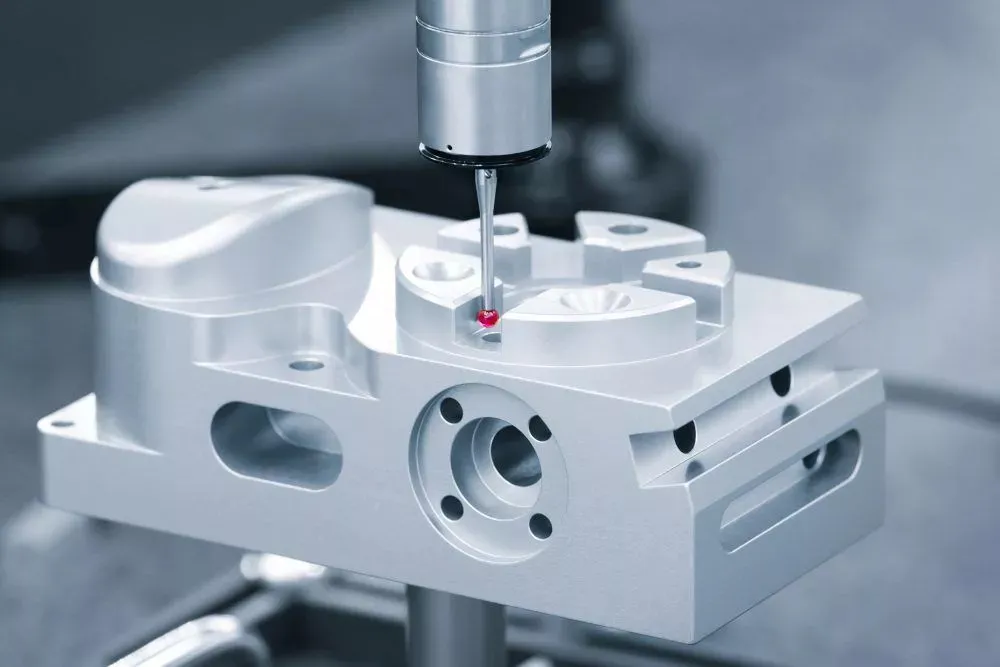
Before committing to a manufacturer, request their quality control documentation. Look for detailed inspection reports that include CMM (Coordinate Measuring Machine) data. A reputable supplier will provide first-article inspection reports for approval.
Ask about their error compensation strategies. Advanced machines use software to correct for known thermal or mechanical deviations. This capability is vital for tight-tolerance projects in varying conditions.
You can send your specifications to YPMFG for a comprehensive review. Our engineers will identify potential accuracy challenges early in the process. This collaboration saves time and prevents downstream manufacturing errors.
Common Questions About CNC Accuracy
What is the difference between accuracy and precision?
Accuracy is how close a measurement is to the true value. Precision is how close repeated measurements are to each other. You want both for reliable manufacturing outcomes.
Does material type affect machine accuracy?
Yes, materials expand and contract differently with temperature changes. Some alloys are more prone to warping during cutting. We select appropriate cooling strategies to maintain stability.
How do I check if my parts meet tolerances?
Use a Coordinate Measuring Machine (CMM) for high precision. Vernier calipers are suitable for larger, less critical dimensions. Always compare results against the original CAD model.
Can I get tighter tolerances for less money?
Generally, no. Tighter tolerances require slower speeds and better tools. They increase machining time significantly. We help optimize designs to reduce unnecessary tight specs.
What is the impact of tool wear on accuracy?
Worn tools cause dimensional drift and poor surface finishes. Regular tool replacement ensures consistent performance. We monitor tool life closely during production runs.
Making a Better Long-Term Decision
Accurate CNC machining is not just about hitting numbers; it is about ensuring product functionality. Partnering with a provider who understands these nuances protects your brand reputation. YPMFG offers transparent communication and technical support throughout the process.
Send your 3D models and specifications to our engineering team today. We will provide a detailed quote and feasibility analysis within 24 hours. Let us help you achieve the precision your application demands.