Quick answer:
CNC mechanical parts processing uses computer-controlled machines to produce precision components from metal, plastic, or other materials. The process covers milling, turning, drilling, and cutting operations that follow digital designs. It delivers tight tolerances, repeatable quality, and the ability to manufacture complex geometries that manual methods cannot achieve.
CNC mechanical parts processing is the backbone of modern manufacturing across industries ranging from automotive and aerospace to medical devices and industrial equipment.
When you need custom machined components, the quality of the processing directly affects fit, function, and long-term performance. Buyers often face uncertainty around material selection, tolerance requirements, surface finish options, and how to evaluate a manufacturer’s actual capability. This guide addresses the practical questions that matter most when you are sourcing CNC machined parts.
What CNC Mechanical Parts Processing Includes
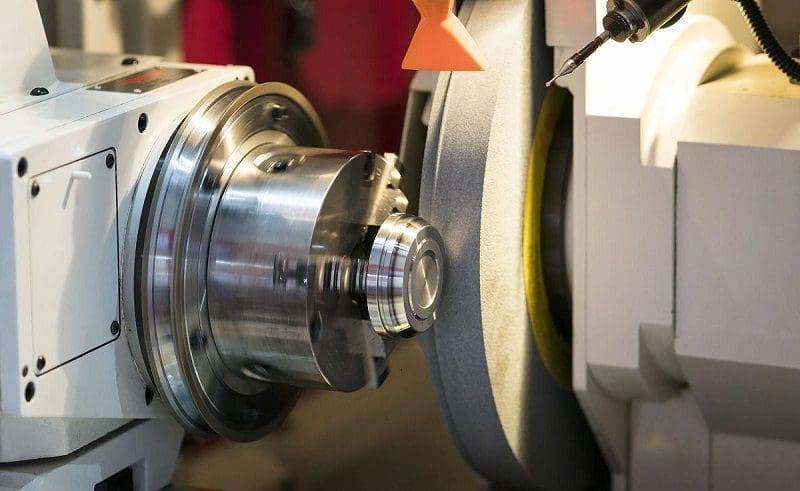
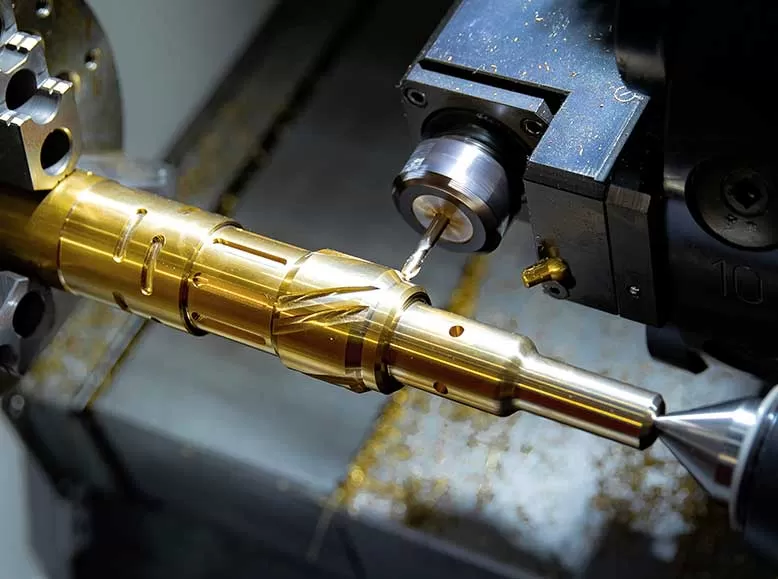
CNC machining removes material from a solid workpiece using computer-programmed cutting tools. The most common processes are CNC milling, which uses rotating cutters to shape the part, and CNC turning, which rotates the workpiece against a stationary tool. Additional operations include drilling, tapping, grinding, and electrical discharge machining for specialized geometries.
The process begins with a digital design file, typically in CAD or STEP format. The manufacturer converts this file into machine instructions, selects the appropriate material and tooling, and runs the program to produce the part. Modern CNC equipment can hold tolerances within ±0.01 mm or tighter, depending on the material and feature complexity.
Common CNC Processes and Their Applications
Different processes serve different purposes. Understanding which operation fits your design helps you communicate requirements clearly and avoid costly revisions.
YPMFG supports projects that require a combination of these processes, and an engineering review can help determine the most efficient approach for your specific design.
Material Selection for CNC Machined Parts
Material choice affects machinability, mechanical properties, cost, and final part performance. The most frequently specified materials include aluminum alloys such as 6061 and 7075, stainless steels like 304 and 316, carbon steels, brass, and engineering plastics such as PEEK and Delrin.
Aluminum offers excellent machinability and a strong strength-to-weight ratio, making it a common choice for lightweight structural components. Stainless steel provides corrosion resistance and higher strength, suitable for demanding environments. Steel grades deliver superior hardness and wear resistance but require more tool wear and longer cycle times. Plastics are chosen for electrical insulation, chemical resistance, or low-friction applications.
When selecting a material, consider the operating temperature, load requirements, environmental exposure, and any regulatory or certification needs. Material selection for CNC parts is one of the most critical decisions in the design phase, and getting it wrong can lead to premature failure or unnecessary expense.
Tolerance and Surface Finish Requirements
Tolerance defines how closely the manufactured part must match the nominal dimensions in the drawing. Standard CNC machining typically achieves ±0.05 mm, while tighter tolerances of ±0.01 mm or better are available for critical features. Pushing beyond standard tolerance ranges increases cycle time, tool wear, and cost significantly.
Surface finish is measured in Ra values and describes the texture of the machined surface. Common finishes include mill finish, bead blast, anodizing for aluminum, passivation for stainless steel, and powder coating for added protection. The required finish depends on whether the part will see friction contact, cosmetic exposure, or assembly against a sealed surface.
Specifying realistic tolerance and finish requirements on your drawing prevents over-engineering and keeps costs predictable. CNC machining tolerances and surface finish should be defined clearly for each feature, not applied uniformly across the entire part.
How to Evaluate a CNC Machining Supplier
Choosing the right manufacturer requires more than comparing unit prices. A supplier’s technical capability, quality system, and communication style have a direct impact on project success.
Key factors to assess include:
Engineering support: Can the supplier review your drawings and suggest design improvements before production?
Quality documentation: Does the supplier provide inspection reports, material certificates, and first-article documentation?
Equipment range: Does the supplier operate the machines and processes your design requires?
Lead time and capacity: Can the supplier meet your timeline without compromising quality?
After-sales support: Is there a clear process for handling defects, revisions, or follow-up orders?
CNC parts manufacturing service providers that offer engineering evaluation and prototyping support can reduce risk substantially during the early stages of a project.
Common Mistakes When Ordering CNC Machined Parts
Several recurring issues cause delays, rework, and budget overruns. Being aware of these pitfalls helps you prepare better specifications and avoid common traps.
One frequent mistake is providing incomplete or ambiguous drawings. Missing dimensions, undefined tolerances, or unclear surface finish requirements force the manufacturer to make assumptions,which may not match your intent.
Another common error is requesting unrealistic tolerances on every feature. Tight tolerances should be applied only where functionally necessary, while non-critical dimensions can use standard ranges to reduce cost.
Material substitution without engineering review is also risky. Swapping one alloy for another without verifying mechanical properties or machinability can lead to part failure or excessive tool wear.
Finally, skipping the prototype or first-article inspection stage often results in discovering issues only after a full production run. A preliminary sample allows you to verify fit and function before committing to volume.
Cost Factors in CNC Mechanical Parts Processing
The cost of CNC machined parts is influenced by several interconnected factors. Material cost forms the base, but machining time, tool wear, setup complexity, and post-processing requirements often have a larger impact on the final price.
Part geometry is a major driver. Simple shapes with easy tool access machine faster than complex geometries with deep pockets, undercuts, or thin walls. Each additional setup or tool change adds time and cost.
Surface treatment and secondary operations also affect pricing. Anodizing, plating, heat treatment, and assembly steps are typically quoted separately. Requesting a complete quote that includes all required processes gives you a clearer picture of total cost.
CNC machining cost factors should be reviewed with your supplier early in the process so you can make informed trade-offs between design, material, and finish to stay within budget.
Quality Control and Inspection Methods
Reliable manufacturers implement quality control at multiple stages. Incoming material inspection verifies that the supplied stock matches the specified grade and certification. In-process inspection checks critical dimensions during machining to catch deviations early. Final inspection confirms that the completed part meets all drawing requirements.
Common inspection methods include coordinate measuring machine (CMM) testing, optical comparison, caliper and micrometer measurement, and surface roughness testing. First-article inspection reports document the results for every production batch.
YPMFG provides inspection documentation and supports projects that require detailed quality records for regulatory or customer audits.
Common Questions About CNC Mechanical Parts Processing
What is the difference between CNC milling and CNC turning?
CNC milling uses a rotating cutting tool to remove material from a stationary or moving workpiece, ideal for complex 3D shapes. CNC turning rotates the workpiece against a stationary tool, best suited for cylindrical parts like shafts and bushings.
How long does CNC machining typically take?
Lead time depends on part complexity, material, quantity, and current machine capacity. Simple parts may ship in a few days, while complex or high-tolerance components can take one to three weeks. Rush services are often available for urgent projects.
Can you machine parts from hard materials like titanium or Inconel?
Yes, these materials are machinable but require specialized tooling, slower cutting speeds, and more conservative tool paths. They also increase tool wear, which affects both cost and lead time.
What file formats are needed to request a quote?
Most manufacturers accept CAD files in STEP, IGES, or native format, along with a PDF drawing that specifies dimensions, tolerances, material, and surface finish requirements.
How do I ensure the parts will fit my assembly?
Provide clear GD&T callouts on your drawing, specify datum references, and request a first-article inspection report with measured data. A prototype run before full production is also a prudent step.
What should I do if a part does not meet specifications?
Contact the supplier promptly with photos and measurement data. A reputable manufacturer will review the issue, identify the root cause, and offer a remedy such as rework, replacement, or credit, depending on the terms of your agreement.
Need Help Selecting the Right CNC Machining Approach?
Choosing the right CNC mechanical parts processing strategy requires balancing design intent, material performance, tolerance needs, and budget constraints. The decisions you make early in the process have a lasting impact on part quality and total cost.
Custom CNC machined parts are not one-size-fits-all, and the most efficient path depends on your specific application requirements. You can send your specifications to YPMFG for a technical review and engineering evaluation. The team can help you refine your design, select appropriate materials, and provide a detailed quote tailored to your project.