
Quick answer:
CNC auto parts are vehicle components manufactured using computer numerical control machining, offering high precision, repeatability, and tight tolerances essential for modern automotive systems. These parts range from engine components and transmission housings to custom brackets and sensor mounts. The key advantage is dimensional accuracy within ±0.005 inches or tighter, which directly affects fit, performance, and long-term reliability. Buyers should know that material selection, surface finish, and inspection certifications are as critical as the machining process itself. Choosing the right manufacturing partner can reduce assembly issues, warranty claims, and overall lifecycle costs.
CNC machining has become the standard production method for many automotive components because it delivers the consistency that mass production and aftermarket upgrades demand. However, not all CNC auto parts are created equal. Differences in machine capability, quality control processes, and material sourcing can significantly affect part performance and cost. If you are sourcing components for prototype validation, low-volume production, or replacement parts, understanding what drives quality and price will help you make better procurement decisions.
Table of Contents
1. What Are CNC Auto Parts?
2. Common Types of CNC Machined Auto Parts
3. Materials Used for CNC Auto Parts
4. Key Quality Factors to Inspect
5. Cost Drivers for CNC Auto Parts
6. CNC Auto Parts vs. Other Manufacturing Methods
7. Questions Buyers Often Ask About CNC Auto Parts
8. Choosing the Right CNC Auto Parts Manufacturer
What Are CNC Auto Parts?
CNC auto parts are vehicle components produced by computer numerical control machining, a subtractive manufacturing process where material is removed from a solid block to create the final shape. This process is controlled by programmed code, allowing for high precision and repeatability across multiple production runs.
Automotive applications typically require tolerances of ±0.005 inches or tighter, depending on the component’s function. CNC machining is well suited for parts that need complex geometries, threaded features, or smooth surface finishes that casting or 3D printing cannot consistently achieve.
For buyers, the main benefit is reliability. Each part is identical to the next, which reduces assembly line issues and improves final product quality.
Common Types of CNC Machined Auto Parts
CNC machining is used across multiple vehicle systems. Below is a table showing common part categories, typical applications, and common materials.
The material and tolerance requirements vary significantly by application. For example, a brake caliper body requires different corrosion resistance and strength than a decorative interior trim piece.
Materials Used for CNC Auto Parts
Material selection directly affects part strength, weight, corrosion resistance, and cost. The most common materials for CNC auto parts include:
Aluminum 6061: General-purpose, good machinability, moderate strength, corrosion resistant. Suitable for brackets, housings, and non-critical structural parts.
Aluminum 7075: Higher strength, often used in racing and high-stress applications like suspension components.
Steel (4140, 1018, 4130): Used for gears, shafts, and structural parts requiring high tensile strength and wear resistance.
Stainless Steel (304, 316): Used in exhaust components, brake parts, and areas exposed to moisture or chemicals.
Brass & Bronze: Common for fittings, bushings, and decorative trim due to corrosion resistance and appearance.
Plastics (Acetal, Nylon, PTFE): Used for lightweight, low-friction applications like bushings, insulators, and fluid handling parts.
Choosing the wrong material can lead to premature failure, corrosion, or dimensional instability under temperature changes. Always verify material certifications with your supplier.
Key Quality Factors to Inspect
When evaluating CNC auto parts, buyers should check the following quality indicators:
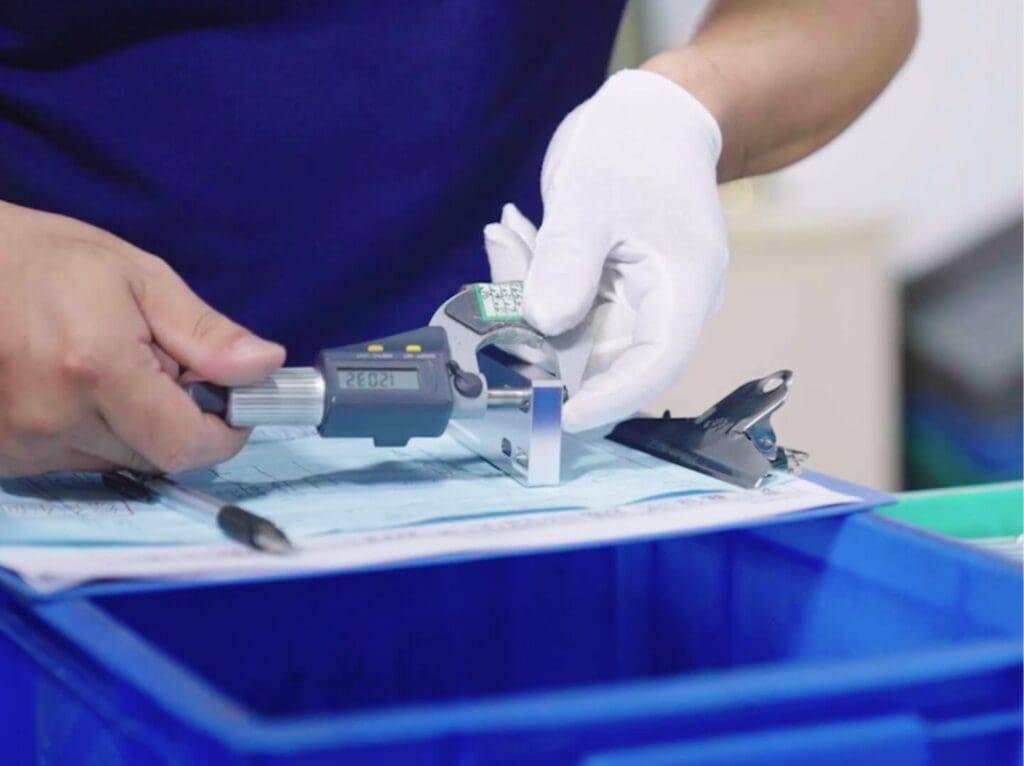
Dimensional accuracy: Verify that critical dimensions fall within the specified tolerance range. A CMM (coordinate measuring machine) report is the standard proof.
Surface finish: Measured in Ra (roughness average). Automotive parts often require 32 Ra or better for sealing surfaces and 63 Ra for general surfaces.
Edge condition: Deburring and chamfering are essential to prevent stress risers and assembly difficulties.
Thread quality: Thread gauges should be used to confirm fit with mating components.
Material certification: A mill certificate confirms the alloy and temper match specifications.
Inspection documentation: First article inspection (FAI) reports and in-process inspection records provide traceability.
A supplier that provides these documents upfront, like YPMFG, reduces the risk of receiving non-conforming parts that cause production delays or field failures.
Cost Drivers for CNC Auto Parts
Several factors influence the final price of CNC auto parts. Understanding these helps buyers budget accurately and avoid unexpected cost increases.
Material cost: Specialty alloys, stainless steel, and large billet sizes increase raw material expense.
Part complexity: Features like tight tolerances, deep cavities, thin walls, and multiple setups increase machining time.
Quantity: Setup costs are spread across the order quantity. Larger runs lower the per-part price.
Surface finish requirements: Secondary operations like polishing, anodizing, or plating add cost.
Inspection requirements: Full dimensional reports or third-party inspection increase administrative and labor costs.
Lead time: Rush orders often require overtime or expedited material sourcing.
For low-volume or prototype runs, the per-part price will be higher due to setup and programming time. For production quantities, unit costs drop significantly.
CNC Auto Parts vs. Other Manufacturing Methods
Choosing between CNC machining and other processes depends on volume, geometry, and material requirements.
CNC machining is typically the best choice for low-to-medium volume production, parts requiring tight tolerances, or when design changes are expected. For very high volumes, casting or stamping may be more economical.
Questions Buyers Often Ask About CNC Auto Parts
What tolerances can CNC machining hold for automotive parts?
Standard CNC machining can hold ±0.005 inches, and precision machining can achieve ±0.001 inches or tighter. The required tolerance depends on the part function. Engine and transmission components typically require tighter tolerances than brackets or covers.
How do I choose the right material for my CNC auto part?
Consider operating temperature, exposure to fluids, load conditions, and weight targets. Aluminum 6061 is a safe starting point for many non-critical parts. For high-stress or high-temperature applications, consult with an engineer and request material datasheets.
Can CNC auto parts be made from billet aluminum?
Yes. Billet aluminum parts are machined from solid blocks of aluminum, which provides uniform material properties and high strength. This is common for custom brackets, suspension components, and engine parts where cast parts may have porosity.
What surface finish options are available for CNC auto parts?
Common finishes include as-machined, bead blasted, anodized (clear or colored), black oxide, zinc plating, and powder coating. The choice depends on corrosion resistance needs, appearance, and cost. Anodizing is common for aluminum parts.
How long does it take to get a quote for CNC auto parts?
Most suppliers provide quotes within 1–3 business days after receiving a complete drawing or 3D model. Including material specification, quantity,and tolerance requirements speeds up the process. YPMFG typically responds within 24 hours for standard inquiries.
What information should I include in my RFQ for CNC auto parts?
Provide a technical drawing with dimensions and tolerances, a 3D model file (STEP or IGES), material specification, required quantity, surface finish preference, and any inspection or certification requirements. Clear specifications reduce back-and-forth and ensure accurate pricing.
Are CNC auto parts suitable for aftermarket upgrades?
Yes. CNC machined parts are widely used in the aftermarket for performance upgrades, custom builds, and replacement of OEM components. They offer improved strength, lighter weight, and better fit compared to some cast or stamped parts.
How do I verify the quality of CNC auto parts before production?
Request a first article inspection report and material certification. Some suppliers also offer sample parts for fit testing. If possible, visit the facility or request video evidence of machining and inspection processes.
Choosing the Right CNC Auto Parts Manufacturer
Selecting a CNC machining partner for automotive components requires more than comparing price. You need a supplier that understands automotive tolerances, material specifications, and inspection requirements.
YPMFG supports projects ranging from prototype validation to low-volume production. Their team can review your drawings, suggest material alternatives, and provide documentation including inspection reports and material certifications. This reduces the risk of receiving parts that do not meet your specifications.
When evaluating a manufacturer, ask about their machine capabilities, quality management system, and experience with your specific application. A supplier that asks detailed questions about your part function and operating environment is more likely to deliver reliable results.
Need Help Selecting the Right CNC Auto Parts?
The right CNC auto parts should meet your dimensional requirements, material needs, and budget constraints without compromising performance or durability. Whether you are developing a new product, sourcing replacement components, or upgrading an existing system, working with an experienced machining partner helps you avoid common pitfalls.
You can send your specifications, drawings, or 3D models to YPMFG for a free engineering review and competitive quote. Their team will evaluate your requirements, recommend suitable materials and finishes, and provide the documentation you need to move forward with confidence.