Quick answer:
Precision aluminum CNC 5-axis machining allows manufacturers to produce complex, tight-tolerance parts from aluminum alloys in a single setup. This process reduces lead times, improves surface finish, and eliminates multiple fixture changes. It is ideal for industries such as aerospace, automotive, medical devices, and robotics. However, not all machine shops offer true 5-axis capability, and material selection, toolpath strategy, and part geometry significantly influence final cost and quality. Understanding these variables helps buyers avoid costly mistakes when sourcing aluminum precision CNC machining parts.
If you are sourcing CNC 5-axis machined aluminum parts, you are likely dealing with complex geometries, tight deadlines, or demanding quality standards. Perhaps you have struggled with inconsistent tolerances, long lead times, or communication gaps with suppliers. This guide explains what drives cost, quality, and reliability in precision aluminum 5-axis machining, and how to evaluate a partner before placing your order.
Why Choose 5-Axis for Aluminum Parts
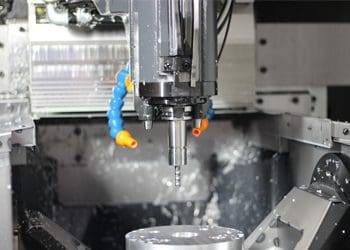
5-axis CNC machining allows the cutting tool to move simultaneously along five axes, enabling access to complex part features in one clamping. For aluminum components, this is especially valuable because aluminum is lightweight yet strong, and often used in applications requiring intricate internal channels, angled features, or thin walls.
The main advantage is reduced handling. With 5-axis machining, you avoid multiple setups that can introduce alignment errors. This results in better positional accuracy and surface finish. For example, aerospace brackets or medical instrument housings often require tight tolerances that are difficult to achieve with 3-axis or 4-axis machines.
Another benefit is speed. Because the machine can reach multiple faces of the part without repositioning, cycle times are often shorter. This can lower your per-part cost, especially for medium to high production volumes.
Common Aluminum Alloys for Precision Machining
Not all aluminum alloys machine the same way. The alloy you choose affects machinability, surface finish, strength, and corrosion resistance. Below is a quick comparison of commonly used grades for CNC 5-axis machining.
For most precision applications, 6061 aluminum offers a good balance of machinability, strength, and cost. If your part requires higher strength, 7075 aluminum is a common choice, though it may require slower feed rates and more attention to tool wear.
Key Factors That Affect Part Quality and Cost
Several variables influence the final outcome of aluminum precision CNC machining parts. Understanding these helps you make informed decisions during design and sourcing.
Part geometry
Complex undercuts, deep cavities, or thin walls increase machining time and tooling cost. Design for manufacturability (DFM) reviews can often simplify features without compromising function.
Tolerance requirements
Tighter tolerances require more inspection time, slower feeds, and often additional setups. Specify only the tolerances your application truly needs to avoid unnecessary cost.
Surface finish
A standard machined finish may be acceptable for many parts. If you require a cosmetic or anodized-ready surface, the supplier must use finer tool paths and sometimes secondary operations.
Toolpath strategy
In 5-axis machining, the toolpath directly affects cycle time and surface quality. Experienced programmers can reduce cycle time by 15–30% compared to generic CAM-generated paths.
Material sourcing
Aluminum prices fluctuate, and lead times vary by alloy and temper. Confirming material availability early in the project helps avoid delays.
At YPMFG, we review every part geometry, tolerance, and finish requirement before quoting. This allows us to identify potential cost drivers and suggest alternatives that maintain performance while reducing expense.
How to Evaluate a 5-Axis CNC Machining Supplier
Choosing the right partner for CNC 5-axis aluminum parts is not just about price. Below is a checklist to help you evaluate suppliers objectively.
Machine capability: Verify that the supplier operates true 5-axis machines, not just 3+2 positioning systems. True 5-axis allows simultaneous movement and better surface finishes.
Material expertise: Ask about experience with your specific alloy. Some shops specialize in steel and may not optimize tooling for aluminum.
Quality system: Look for ISO 9001 or AS9100 certification. Also ask about in-process inspection, CMM reports, and first article inspection (FAI).
Communication: A responsive engineering team can save weeks during the design-for-manufacturability phase.
Lead time reliability: Check if the supplier has a track record of on-time delivery. Delays in prototype or production runs can disrupt your schedule.
Secondary services: If your parts require anodizing, plating, or assembly, ask if the supplier can coordinate these services.
YPMFG supports projects requiring complex geometries, tight tolerances, and documented quality. Our team reviews each inquiry to confirm we can meet your specifications before moving forward.
Common Questions About Aluminum 5-Axis CNC Parts
What is the typical tolerance for 5-axis machined aluminum parts?
Most shops hold ±0.005 inches as a standard tolerance. With careful programming and inspection, ±0.002 inches or tighter is achievable depending on part size and geometry. Always confirm tolerance capability with your supplier before production.
Is 5-axis machining more expensive than 3-axis?
Not necessarily. While machine time per hour is higher, 5-axis often reduces total setup time and eliminates secondary operations. For complex parts, the overall cost can be lower than a multi-setup 3-axis process.
Can 5-axis machining produce parts with thin walls?
Yes, but thin walls require careful toolpath planning and sometimes fixturing to avoid vibration. Aluminum alloys like 6061 are more forgiving than harder materials. Discuss wall thickness with your machinist early.
What surface finish can I expect from 5-axis aluminum machining?
A standard machined finish typically ranges from 32 to 63 microinches Ra. With finer tool paths and smaller stepovers, finishes below 16 microinches Ra are possible. Post-machining processes like bead blasting or polishing can further improve appearance.
How long does it take to get a quote for 5-axis aluminum parts?
Most suppliers reply within 1 to 3 business days for standard inquiries. Complex parts with custom tolerances or multiple operations may take longer. Providing a complete 3D model and print speeds up the process.
Do I need to provide a 3D model for a 5-axis machining quote?
Yes. A 3D CAD file (STEP or IGES format) is essential for accurate quoting. It allows the supplier to analyze geometry, tool access, and potential collisions. A 2D print with tolerance callouts is also helpful.
What is the minimum order quantity for 5-axis aluminum parts?
Many shops accept low volumes, including prototypes. For production runs, minimum quantities vary by part complexity. YPMFG accommodates both prototypes and production volumes, with no strict MOQ for most aluminum parts.
Can 5-axis machining reduce the risk of human error?
Yes. Because the part is machined in one setup, there are fewer opportunities for misalignment or operator error. This improves consistency across multiple parts and batches.
Choosing the Right Machining Partner for Your Project
Sourcing aluminum precision CNC machining parts with 5-axis capability is a decision that affects your product quality, timeline, and total cost. The right partner brings not only machine capacity but also engineering insight, material knowledge, and quality assurance.
Before you commit, ask about their experience with your specific alloy, their approach to tight tolerances, and how they handle design changes. A supplier that offers early-stage DFM feedback can save you significant time and expense.
If you are evaluating a new project or looking for a more reliable source, send your specifications to YPMFG for an engineering review. Our team can assess your part geometry, recommend suitable alloys, and provide a competitive quote with realistic lead times.