
Quick answer:
Choose laser cutting for thin sheet metal up to 25mm with high precision. Select waterjet for thick materials or heat-sensitive alloys like titanium without thermal distortion. Opt for plasma cutting for thick carbon steel where speed matters more than edge quality. The right service depends on material thickness, tolerance requirements, and production volume.
Procuring CNC cutting services requires understanding the fundamental differences between technologies. Each method offers distinct advantages regarding material compatibility, edge finish, and dimensional accuracy. Selecting the wrong process can lead to excessive scrap rates, delayed timelines, or compromised part integrity.
YPMFG specializes in matching your specific design requirements with the most efficient cutting technology. We evaluate material properties, geometric complexity, and surface finish needs before recommending a process. This ensures optimal cost-efficiency and quality consistency for every project.
Laser Cutting Precision and Applications
Fiber laser cutting delivers exceptional accuracy for metals under 25mm thickness. The focused beam creates narrow kerfs and smooth edges suitable for intricate geometries. Steel, aluminum, and brass parts benefit from minimal post-processing requirements.
Thick sections above 20mm require higher power lasers, increasing operational costs. Heat-affected zones may alter material properties in sensitive alloys like stainless steel. Proper gas selection—nitrogen for clean cuts or oxygen for speed—affects final quality.
Evaluate your tolerance requirements against laser capabilities. Standard tolerances reach ±0.1mm, while tight specs need secondary finishing. Complex internal corners require adequate radius design to prevent stress concentrations during cutting.
Waterjet Versatility for Thick Materials
Waterjet cutting uses high-pressure water mixed with abrasives to slice through almost any material. It generates no heat, preserving the metallurgical structure of sensitive alloys. Titanium, hardened steel, and composite materials cut cleanly without thermal distortion.
Maximum cutting depth typically reaches 150mm depending on pump pressure and abrasive flow. The process is slower than laser but eliminates heat-related warping issues. Edge quality remains consistent regardless of material thickness or hardness.
Consider waterjet when material integrity is critical or when dealing with multi-layer composites. Initial setup costs are higher due to abrasive consumption and pump maintenance. However, reduced scrap rates often offset these expenses in low-volume production.
Plasma Cutting for Heavy-Duty Applications
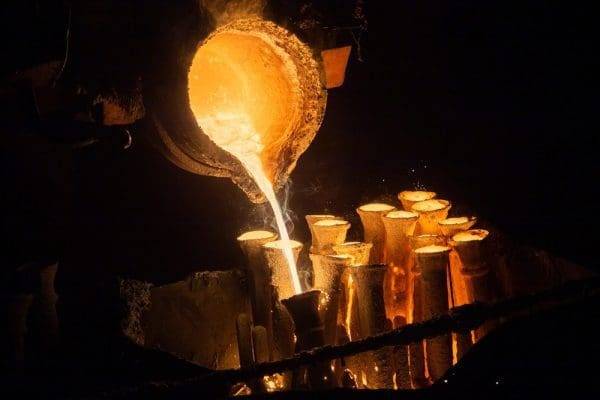
Plasma cutting utilizes ionized gas to melt conductive materials rapidly. It excels at cutting thick carbon steel plates exceeding 50mm efficiently. Modern CNC plasma systems achieve reasonable precision for structural components and frames.
Edge quality shows visible dross and taper angles requiring grinding or machining. Gas mixtures affect cut speed and edge appearance significantly. Shielded plasma options improve performance for aluminum and stainless steel applications.
Select plasma when budget constraints prioritize speed over cosmetic finish. Structural steel fabrication and heavy machinery parts benefit from rapid throughput. Verify that subsequent assembly processes can accommodate minor edge imperfections.
Material Selection Impact on Process Choice
Different metals react uniquely to each cutting method. Aluminum reflects laser energy, requiring specialized wavelengths for effective cutting. Copper conducts heat rapidly, demanding higher power inputs or alternative methods.
Non-conductive materials like plastics, wood, or stone cannot use plasma or standard laser cutting. Waterjet handles these substrates easily but may cause swelling in porous materials. Glass cutting requires diamond-tipped waterjets for clean fractures without chipping.
Review material datasheets for thermal conductivity and reflectivity values. These properties determine optimal laser wavelength or waterjet pressure settings. YPMFG engineers assess material compatibility to prevent processing failures during production.
Tolerance and Surface Finish Requirements
Dimensional accuracy dictates which cutting technology suits your component design. Laser cutting maintains tight tolerances for detailed parts with complex contours. Waterjet offers consistent accuracy across varying thicknesses without thermal expansion effects.
Surface roughness varies by process type and parameter settings. Laser cuts typically require minimal deburring for aesthetic applications. Plasma edges often need grinding or milling for sealing or bearing surfaces.
Define acceptable tolerances before requesting quotes. Standard CNC cutting achieves ±0.1mm to ±0.5mm depending on method. Critical functional interfaces may demand secondary machining operations after initial cutting.
Cost Factors in CNC Cutting Services
Unit cost depends on material waste, machine time, and setup complexity. Laser cutting minimizes nesting waste for small parts with efficient layout algorithms. Waterjet consumes abrasive media, impacting variable costs per linear inch cut.
Setup fees vary by machine type and part geometry complexity. Simple straight cuts incur lower programming time than intricate shapes. Volume discounts apply when amortizing setup costs across larger batches.
Request detailed quotes comparing total delivered cost, not just hourly rates. Include finishing, handling, and packaging expenses in your evaluation. YPMFG provides transparent pricing based on actual resource consumption per part.
Lead Times and Production Scalability
Lead times correlate with machine availability and material stock levels. Standard materials often ship within three to five business days. Custom alloys or thick plates may require sourcing delays extending timelines.
High-volume production benefits from automated loading systems and continuous operation. Low-volume prototypes allow flexible scheduling without extensive changeover penalties. Rush services available for urgent needs typically carry premium charges.
Plan production schedules around cutting capacity constraints. Peak seasons may extend standard turnaround times significantly. Communicate delivery deadlines early to secure appropriate machine slots.
Quality Control and Inspection Methods
Visual inspection verifies edge quality and dimensional accuracy against drawings. Coordinate measuring machines (CMM) confirm precise geometric features for critical parts. Surface profilometers measure roughness values for sealing or cosmetic requirements.
Material certification ensures compliance with industry standards for aerospace or medical applications. Third-party testing validates mechanical properties post-cutting for heat-sensitive processes. Documentation packages include test reports, certificates, and dimensional verification records.
Implement incoming inspection protocols for high-value components. Random sampling suffices for bulk orders with proven process stability. Full inspection required for safety-critical parts or first-article production runs.
Common Questions About CNC Cutting Services
Which process is best for thin aluminum sheets?
Laser cutting offers superior edge quality and precision for aluminum under 10mm. Waterjet works well but may leave slight roughness. Plasma is unsuitable due to excessive heat input causing warping.
Can waterjet cut materials without affecting their properties?
Yes, waterjet is a cold cutting process preserving metallurgical structures. Unlike laser or plasma, it avoids heat-affected zones entirely. Ideal for titanium, hardened steels,and composite laminates.
What determines the maximum thickness for plasma cutting?
Power input and gas type limit plasma cutting depth. Standard systems handle up to 50mm carbon steel effectively. Higher amperage units can cut thicker plates but reduce edge quality.
How do I ensure dimensional accuracy in my order?
Provide detailed CAD files with clear tolerance callouts. Specify critical dimensions requiring tighter control. YPMFG engineers review designs to identify potential measurement challenges before production.
Need Help Selecting the Right Cutting Solution?
Choosing between laser, waterjet, and plasma depends on your specific material and performance requirements. Each technology serves distinct applications where precision, strength, or speed matters most.
Send your specifications to YPMFG for an engineering review. Our team analyzes your design for optimal process selection and cost efficiency. Receive a detailed quote with recommended cutting methods and lead times.