
Quick answer:
You need 5-axis CNC machining when your parts have complex geometries, deep undercuts, or require tight tolerances across multiple angles in a single setup. This process significantly reduces lead times and improves accuracy compared to traditional 3-axis methods. YPMFG provides comprehensive CNC milling services engineered to handle intricate designs efficiently.
Choosing the right manufacturing partner ensures that your prototypes and production runs meet strict quality standards without unnecessary delays. Understanding the capabilities of 5-axis technology helps engineers optimize design for manufacturability and control overall project costs effectively.
Modern 5-axis CNC machines offer superior surface finishes and reduced fixturing needs. This results in higher precision and repeatability for critical components used in aerospace, medical, and automotive industries.
Why 5-Axis Machining Matters
Complex parts often require multiple setups on standard machines, which introduces cumulative errors and extends production time. 5-axis technology allows the cutting tool to approach the workpiece from various directions simultaneously. This capability eliminates the need for re-clamping and ensures consistent accuracy throughout the manufacturing process.
Engineers benefit from shorter cutting tools, which reduces vibration and allows for finer details. The result is a smoother surface finish and tighter tolerances that are difficult to achieve with 3-axis equipment. This efficiency translates directly into lower per-unit costs for medium to high-volume orders.
For applications requiring complex geometric features, 5-axis machining is often the only viable option. It enables the creation of organic shapes, turbine blades, and medical implants with high fidelity.
Key Applications and Industries
Different sectors rely on 5-axis CNC milling services for specific performance requirements. The aerospace industry uses these machines for lightweight structural components and engine parts. Medical device manufacturers depend on them for precise orthopedic implants and surgical instruments.
The automotive sector utilizes 5-axis technology for prototyping high-performance engines and custom components. Defense contractors require the same level of precision for guidance systems and weapon components. Each industry demands rigorous adherence to material specifications and dimensional accuracy.

YPMFG supports diverse industry standards by selecting appropriate materials and processes for each application. Our engineering team reviews designs to ensure they align with manufacturing capabilities.
Material Selection and Process Considerations
Selecting the right material is crucial for part performance and machinability. Aluminum alloys are popular for their lightweight nature and ease of machining. Stainless steel offers superior strength and corrosion resistance for harsh environments.
Titanium is often chosen for aerospace and medical applications due to its biocompatibility and high strength. However, it requires specialized tooling and slower cutting speeds. Plastics like PEEK or Delrin are used for electrical insulation and low-friction applications.
Understanding material properties helps prevent defects such as tool deflection or thermal distortion. Proper coolant selection and tool path optimization are essential for maintaining surface integrity.
Quality Control and Tolerances
Precision is the primary advantage of 5-axis CNC machining. These machines can consistently hold tolerances within ±0.025mm or tighter, depending on the application. This level of accuracy is vital for parts that must fit together seamlessly.
In-process monitoring and post-machining inspections ensure that every component meets specifications. Coordinate Measuring Machines (CMM) are commonly used to verify complex geometries. First Article Inspections (FAI) provide detailed reports for quality assurance records.
Rigorous quality control minimizes the risk of costly rework or assembly failures downstream. Consistent quality builds trust with end-users and regulatory bodies.
Cost Factors and Lead Times
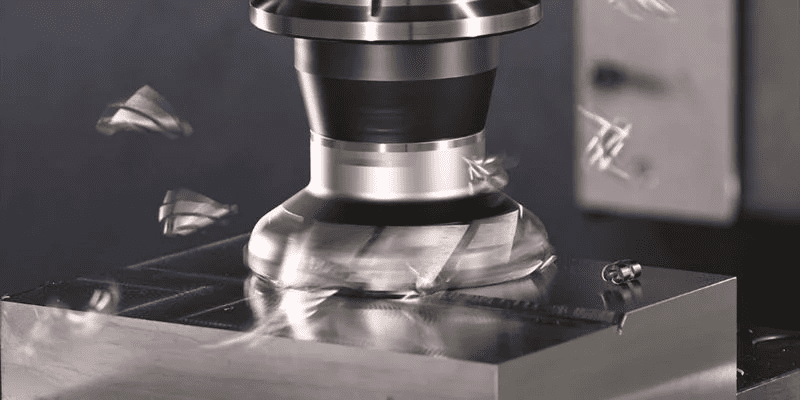
While 5-axis CNC machining may have higher machine hourly rates than 3-axis processes, it often reduces total cost. Fewer setups mean less labor time and lower risk of human error. Faster cycle times also contribute to overall savings.
Lead times are typically shorter because the part is completed in fewer operations. This speed is beneficial for rapid prototyping and urgent production runs. However, complex designs may require additional engineering review and programming time.
Budget planning should account for material costs, tool wear, and finishing requirements. Transparent pricing from experienced manufacturers helps avoid hidden expenses.
How to Choose a Reliable Partner
Selecting a manufacturer requires evaluating technical capabilities and communication clarity. Look for providers with extensive experience in CNC milling services for your specific industry. A strong portfolio demonstrates proficiency with challenging geometries and materials.
Review their quality management systems and certification status. Clear engineering support and responsive customer service are indicators of a reliable partner. Avoid suppliers who cannot explain their process limitations or quality controls.
YPMFG offers engineering assessments to optimize your designs for manufacturability. We provide detailed feedback before production begins to prevent issues.
Common Questions About 5-Axis Machining
What is the difference between 3-axis and 5-axis CNC?
3-axis machines move along X, Y, and Z axes. 5-axis machines add two rotational axes, allowing access to multiple sides of a part in one setup. This improves accuracy and reduces handling time for complex shapes.
Can 5-axis machining handle small batch production?
Yes, 5-axis machining is efficient for both prototypes and small batches. The reduced setup time offsets the higher machine costs. It is ideal for low-volume, high-complexity parts.
Which materials are best for 5-axis milling?
Aluminum, stainless steel, titanium,and inconel are commonly machined. Plastics and composites are also suitable. Material choice depends on the part’s functional requirements and environmental conditions.
How do I prepare my CAD files for quoting?
Provide STEP or IGES files with clear dimensioning and tolerance callouts. Specify material preferences and surface finish requirements. Detailed documentation helps engineers assess feasibility accurately.
What lead times can I expect?
Standard lead times range from 1 to 3 weeks for production runs. Prototypes may be completed faster depending on complexity. Rush services are available for urgent projects with prior arrangement.
Need Help Selecting the Right Service?
Accurate execution of complex parts requires expertise in 5-axis CNC machining. YPMFG provides tailored solutions for engineers and procurement specialists. We offer engineering evaluations, custom quotes, and dedicated support throughout your project.
Contact YPMFG to discuss your specifications and receive a detailed proposal. Our team is ready to assist with your next manufacturing challenge.