Quick answer:
OEM and ODM metal fabrication services provide custom bending, welding, and metal stamping solutions for businesses that need precision parts without investing in in-house tooling. These services are ideal for production runs ranging from prototypes to high-volume manufacturing. The key is matching your design requirements with the right fabrication process and experienced partner.
When you work with a custom metal fabrication provider, you gain access to engineered solutions tailored to your specifications rather than off-the-shelf components.
Many engineers and procurement teams face challenges balancing cost, lead time, and quality when sourcing metal parts. The right manufacturing partner should offer engineering evaluation, material selection guidance, and consistent quality control throughout production.
What Are OEM and ODM Metal Fabrication Services
OEM stands for Original Equipment Manufacturer. This means the supplier produces parts based on your exact drawings and specifications. You own the design. The manufacturer focuses on execution with tight tolerances and repeatable quality.
ODM means Original Design Manufacturer. Here, the supplier develops the product design and manufactures it for you. This option works well when you need a complete solution from concept to finished part.
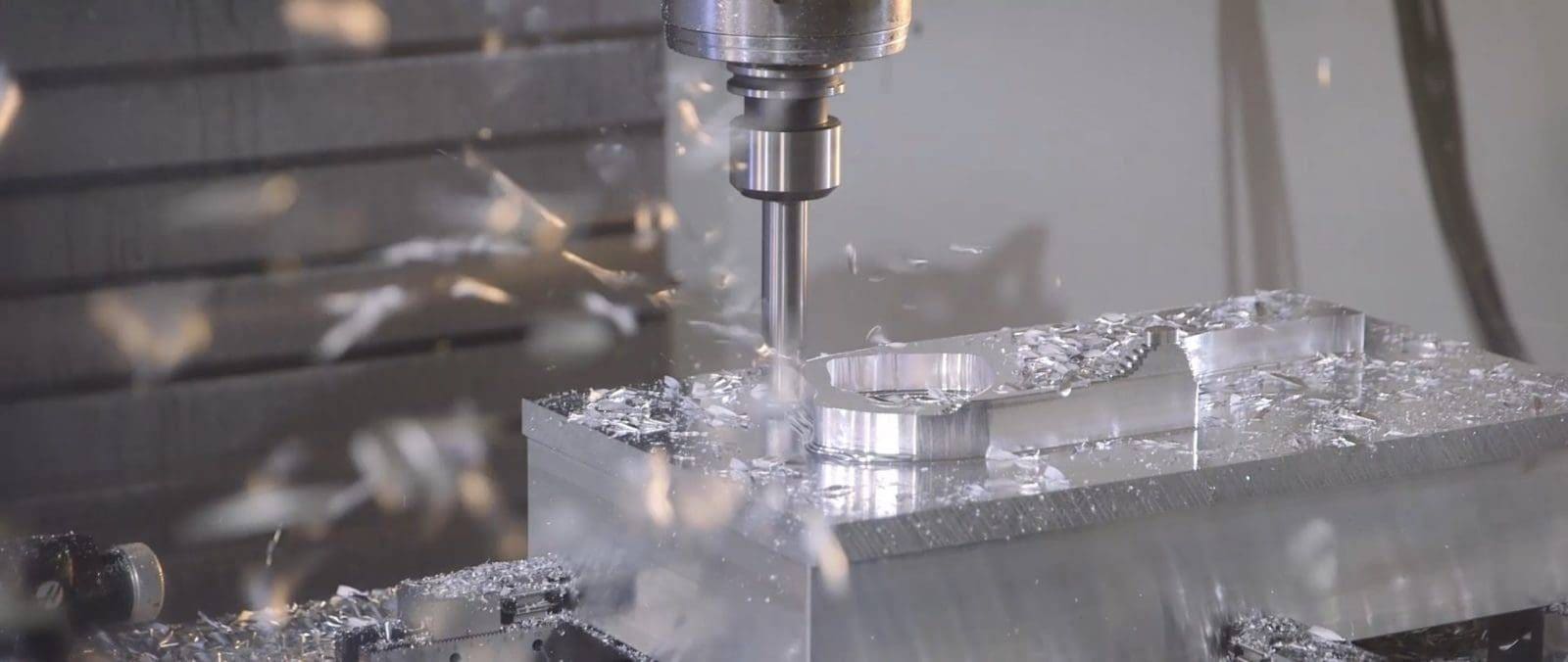
Both approaches require strong technical capability. Metal stamping services demand precise tooling and press expertise. Bending requires skill with press brakes and material springback control. Welding needs certified processes for structural integrity. A capable manufacturer handles all three under one roof, reducing coordination complexity.
Core Processes: Bending, Welding, and Stamping
Each fabrication process serves different design and production needs. Understanding these differences helps you select the right approach for your project.
Metal bending shapes flat sheet metal into defined angles or forms using press brakes. This process works well for enclosures, brackets, frames, and structural components. Tolerances typically range from ±0.1mm to ±0.5mm depending on material and bend geometry.
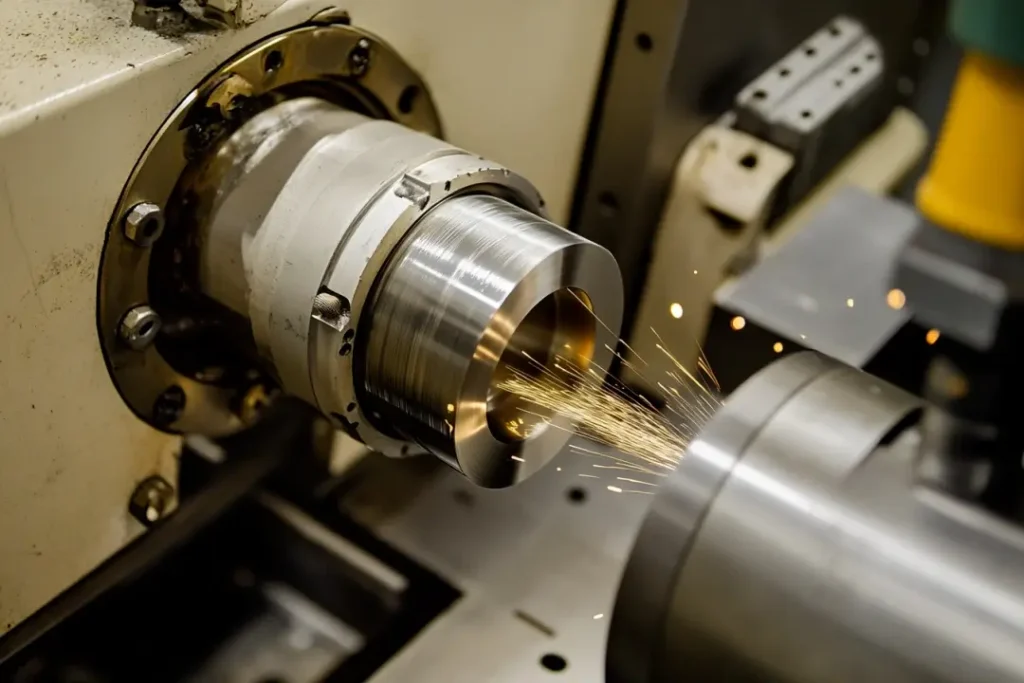
Welding joins metal pieces using heat, pressure, or filler material. Common methods include MIG, TIG, and spot welding. Welded assemblies are essential for frames, racks, housings, and load-bearing structures. Post-weld treatment like grinding or passivation may be required for appearance and corrosion resistance.
Metal stamping uses dies and presses to cut, form, or punch sheet metal at high speed. This process excels for high-volume production of consistent parts like contacts, brackets, shims, and electronic housings. Tooling costs are higher upfront, but per-unit cost drops significantly at volume.
Bending vs. Stamping: Choosing the Right Process
Selecting between bending and stamping depends on your production volume, part geometry, and budget. Low-volume or complex geometries often favor bending. High-volume simple shapes suit stamping better.
Consider these factors when deciding:
Production volume: Stamping costs amortize over thousands of parts. Bending has no tooling minimum.
Part complexity: Bending handles intricate profiles. Stamping works best for repeating shapes.
Material thickness: Thicker materials (>3mm) often suit bending. Thin sheets (<2mm) stamp efficiently.
Surface finish: Stamped parts may need secondary finishing. Bent parts retain more surface integrity.
Lead time: Bending requires no tooling setup. Stamping needs die fabrication before production begins.
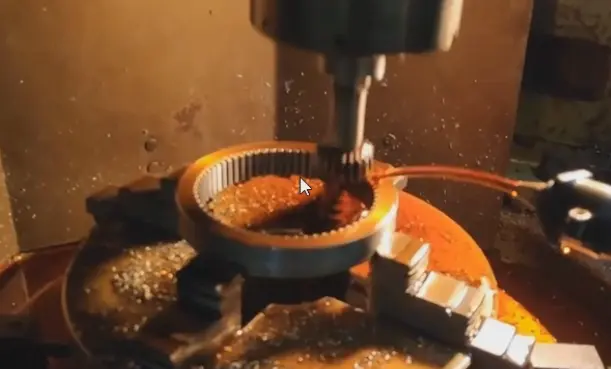
YPMFG evaluates each project to recommend the most cost-effective process combination. Many parts require bending plus welding or stamping plus forming to achieve the final design.
Key Considerations for Custom Fabrication Projects
Getting custom metal parts right requires attention to design, material, and manufacturing details. Small oversights can cause delays, rework, or performance issues.
Material selection impacts formability, strength, and corrosion resistance. Common choices include carbon steel, stainless steel, aluminum, and铜. Each material behaves differently during bending and welding. Your fabricator should guide material selection based on your application requirements.
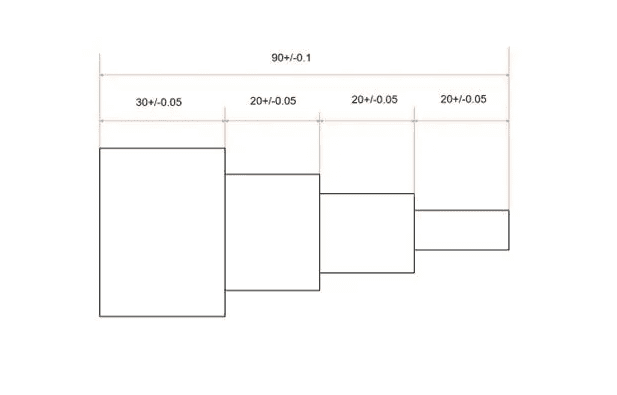
Tolerance and surface finish specifications affect both cost and feasibility. Standard tolerances reduce cost. Tighter tolerances require specialized equipment and additional inspection time. Clarify which dimensions are critical and which are reference only.
Fabrication quality control should include material certification, in-process inspection, and final verification. Request documentation for first article inspection and production sample approval before full batch release.
Design for manufacturability saves time and money. Avoid unnecessary features that complicate tooling or increase cycle time. Share early designs with your manufacturer for feedback before finalizing specifications.
Common Questions About Custom Metal Fabrication
What information do I need to request a quote?
Provide drawings with dimensions,material specification, quantity, surface finish requirement, and any assembly needs. CAD files in STEP or IGES format are preferred. If you only have a concept, describe the function and environment.
How long does custom metal fabrication take?
Lead time depends on process complexity and quantity. Bending parts typically ship in 5-10 business days. Stamping requires 2-4 weeks for tooling plus production time. Welded assemblies vary based on size and post-processing needs. Rush orders may be available.
Can you handle small prototype runs?
Yes. Many fabrication shops support prototyping with minimal setup cost. Bending and welding are well-suited for low quantities. Stamping tooling has higher upfront cost but can be optimized for future production runs.
What quality standards do metal fabricators follow?
Reputable manufacturers follow ISO 9001 quality management systems. Some pursue AS9100 for aerospace or IATF 16949 for automotive applications. Verify certifications relevant to your industry before placing orders.
Need Help Selecting the Right Metal Fabrication Process
Choosing between bending, welding, and stamping for your project requires technical evaluation and practical experience. The right process combination affects cost, lead time, and part quality significantly.
YPMFG offers engineering consultation to assess your design requirements and recommend optimal manufacturing approaches. You can send your specifications for a free engineering evaluation. The team provides process recommendations, material suggestions, and competitive quotes to support your decision-making.
Start by sharing your drawings or concept. A quick review helps identify potential manufacturing challenges and alternative approaches that may reduce cost without compromising function.