Quick answer:
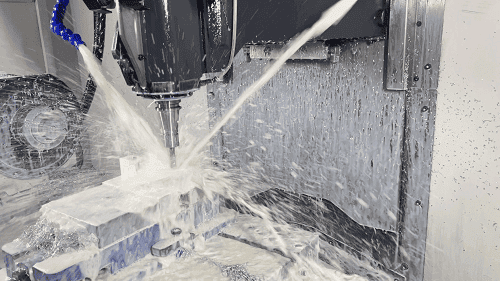
CNC machining for OEM power bank housing delivers precision enclosures with tight tolerances, custom geometries, and material options like aluminum or stainless steel. Unlike molded plastic, CNC-machined housings offer superior heat dissipation, structural rigidity, and faster prototyping for low-to-mid volume production. This process is ideal for brands requiring unique shapes, integrated branding, or high-end finishes. However, cost per unit is higher than injection molding, so it suits premium products, limited runs, or pre-production validation.
OEM buyers often face a trade-off between housing durability, thermal performance, and production speed. Standard plastic molds limit design flexibility and add lead time. CNC machining bypasses tooling investment, allowing rapid design iterations and tighter quality control. Yet not all machine shops understand the specific requirements of power bank enclosures—such as heat sink integration, battery compartment tolerances, and USB port alignment.
This article explains how CNC machining applies to OEM power bank housing, what specifications matter, and how to evaluate a supplier for your project.
Why CNC Machining for Power Bank Housings?
CNC machining gives OEMs control over housing geometry without the upfront cost of injection molding. For power banks, this matters because battery cells generate heat, and aluminum enclosures act as effective heat sinks. Machined aluminum also provides better electromagnetic shielding compared to plastic.
The process supports complex internal features: threaded inserts for assembly, precision cavities for battery cell placement, and cutouts for LEDs or buttons. Surface finishing options like anodizing or bead blasting improve grip and scratch resistance.
For projects requiring custom power bank dimensions or low-volume launches, CNC machining reduces lead time from weeks to days. It also allows for design for manufacturability adjustments before committing to mass production tooling.
Key Specifications for OEM Power Bank Housing
When specifying a CNC-machined housing,several parameters directly affect fit, function, and cost.
Material Selection
Tolerances and Fit
Battery compartments require tight tolerances to prevent movement that could damage cells or cause short circuits. Typical CNC tolerances range from ±0.1 mm to ±0.05 mm. For USB port openings, alignment within ±0.1 mm is critical to avoid insertion issues.
Surface Finish
Type II anodizing: Adds hardness and color options
Type III hard anodizing: Increases wear resistance for frequent handling
Bead blasting: Matte finish that hides fingerprints
Polishing: Glossy look for premium products
Internal Threads and Inserts
Brass or stainless steel helicoil inserts are common for screw holes that will be assembled and disassembled multiple times. These prevent stripping in aluminum.
Common Challenges in CNC Machining Power Bank Housings
Machining a power bank enclosure involves more than cutting a block of metal. Several issues can affect final quality:
Heat management: Thin walls reduce material for heat dissipation. Aluminum thickness below 1.5 mm may compromise structural integrity.
Chip evacuation: Deep battery cavities can trap chips, requiring specialized tool paths or manual cleaning.
Surface defects: Tool marks or burrs on visible surfaces require secondary polishing or deburring.
Battery swelling allowance: Lithium cells can swell over time. A small clearance (0.3–0.5 mm) around the battery cavity helps avoid pressure on the enclosure.
An experienced supplier checks for these during the CNC machining quote and engineering review stage.
How to Compare CNC Machining Service Options
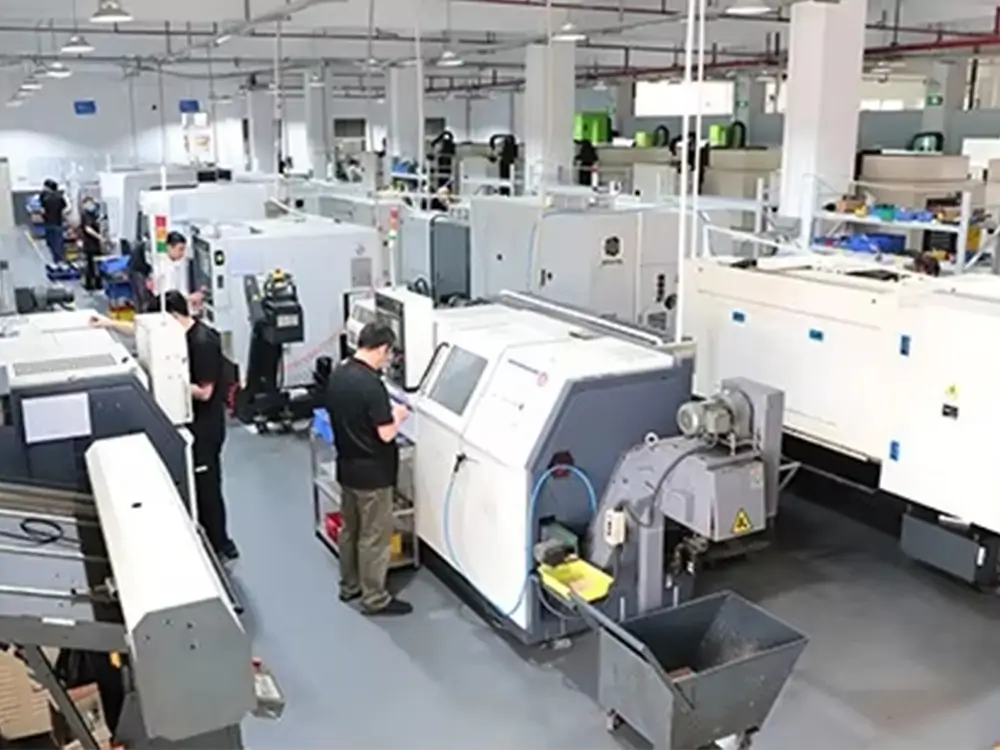
Not all machine shops handle enclosure manufacturing the same way. Use the following checklist when evaluating suppliers:
Do they provide DFM feedback before production?
Can they machine internal features like battery slots and heat sink fins?
What surface finishing options do they offer in-house?
Do they accept STP or STEP files for quoting?
Can they handle post-machining operations like anodizing or silk screening?
What is their typical lead time for a 100-unit order?
YPMFG supports OEM projects from prototype to production. Their engineers review each CNC machining specification to identify potential issues early, reducing rework and delivery delays.
Questions Buyers Often Ask About CNC Machined Power Bank Housings
Can CNC-machined housings be made waterproof?
Yes, but it requires additional sealing. O-ring grooves must be machined into the parting line, and the design must allow for compression. CNC machining can hold the tight tolerances needed for consistent seal performance.
What is the typical cost per unit for a CNC-machined power bank housing?
Cost varies by material, complexity, and quantity. A simple aluminum housing in a 50-unit run may cost between $15 and $40 per unit. Larger runs reduce per-unit cost because setup time is amortized.
How long does it take to get a prototype?
Standard prototypes can ship in 5–10 business days depending on geometry. Rushed orders with simplified features may take 3–5 days. This is significantly faster than waiting for injection mold tooling.
Can I integrate branding into the housing?
Yes. CNC machining can create recessed or raised logos, text, or patterns. These can be highlighted with contrasting anodizing or laser engraving after machining.
Is CNC machining suitable for mass production?
For volumes above 5,000–10,000 units, injection molding is usually more cost-effective. CNC machining is best for low-to-mid volume production, pilot runs, or products requiring frequent design updates.
What file format do you need to start quoting?
Most CNC shops accept 3D CAD files in STEP, IGES, or native SolidWorks format. A 2D drawing with critical dimensions and tolerances helps ensure accuracy.
Can the housing be made lighter without losing strength?
Yes. Features like pocketing, rib structures, and wall thickness optimization reduce weight while maintaining rigidity. These should be reviewed during the engineering evaluation stage.
What about battery certification compliance?
The housing itself does not require certification, but the assembled power bank may need UL, CE, or FCC testing. The supplier should confirm material compatibility with your intended certification path.
Choosing the Right Housing Solution for Your Product
CNC machining offers OEMs a fast, flexible path to custom power bank enclosures without the constraints of injection molding. It is especially valuable when design iteration speed, material performance, or custom prototype development is a priority.
To move forward, send your specifications to YPMFG for a CNC machining quote and engineering review. Their team will evaluate your design for manufacturability, recommend material and finish options, and provide a clear timeline for delivery.