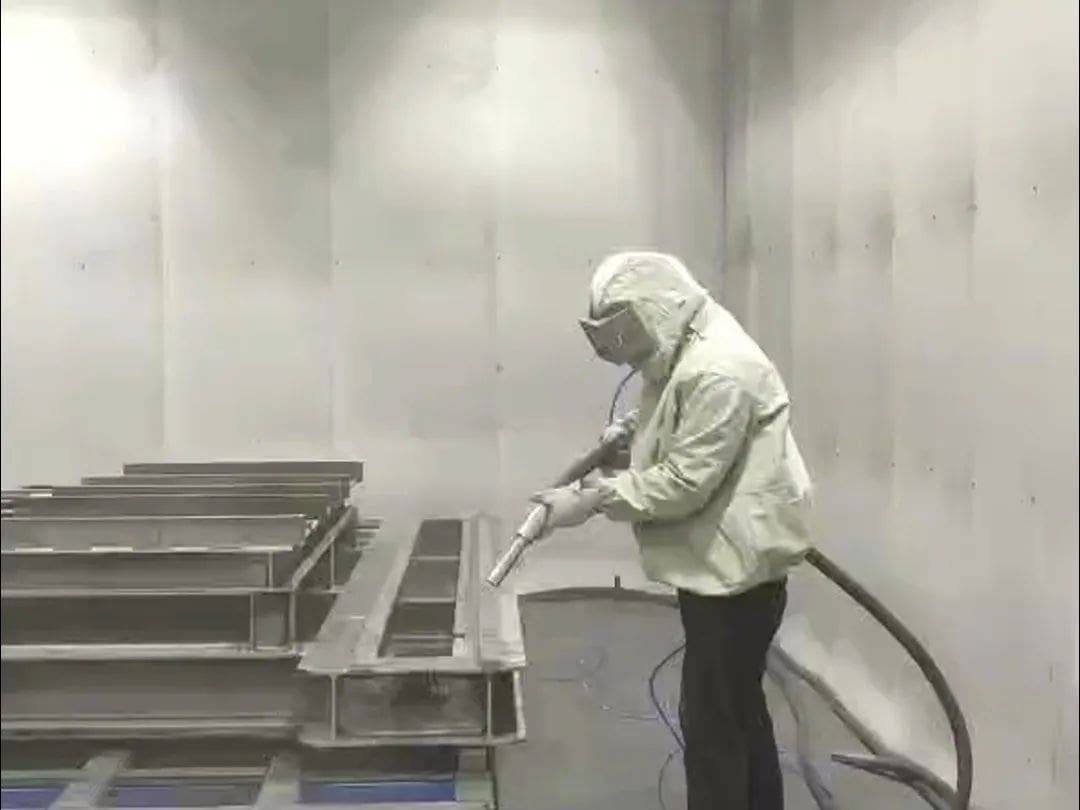
Quick answer:
Titanium CNC machining is a specialized manufacturing process that uses computer-controlled equipment to shape titanium alloys into precise components. It is essential for industries requiring high strength-to-weight ratios, corrosion resistance,and performance in extreme environments. The process demands specific tooling, cooling strategies, and expert engineering to manage the material’s low thermal conductivity and high reactivity.
Successful production relies on controlling cutting forces and heat generation to prevent surface contamination or tool wear. Buyers must prioritize suppliers with proven expertise in titanium-specific protocols to ensure dimensional accuracy and part integrity. This guide outlines the critical factors affecting cost, quality, and lead times for titanium parts.
Understanding Titanium Machining Challenges
Titanium is not a standard metal; it presents unique difficulties during the subtractive manufacturing process. Its high strength and low thermal conductivity make it resistant to cutting tools while generating intense localized heat. This heat can damage the tool edge or cause the titanium to react with oxygen, leading to surface defects.
Manufacturers must use rigid machine setups to handle the significant cutting forces involved. Standard steel machining parameters often fail when applied to titanium alloys. Adjustments to feed rates, spindle speeds, and coolant delivery are necessary to maintain stability and precision throughout the operation.
The choice of titanium alloy also dictates the machining approach. Grades 1 through 4 are commercially pure and easier to machine, but less strong. Grade 5 (Ti-6Al-4V) is the most common alloy for structural applications due to its superior mechanical properties. However, it requires more aggressive cooling and specialized tool paths to avoid work hardening.
Critical Factors Affecting Titanium Part Costs
The cost of titanium CNC machining is driven by multiple variables beyond just raw material prices. Titanium itself is expensive, but the machining time required to produce a single part significantly impacts the final quote. Slow cutting speeds and frequent tool changes add substantial labor hours to the production cycle.
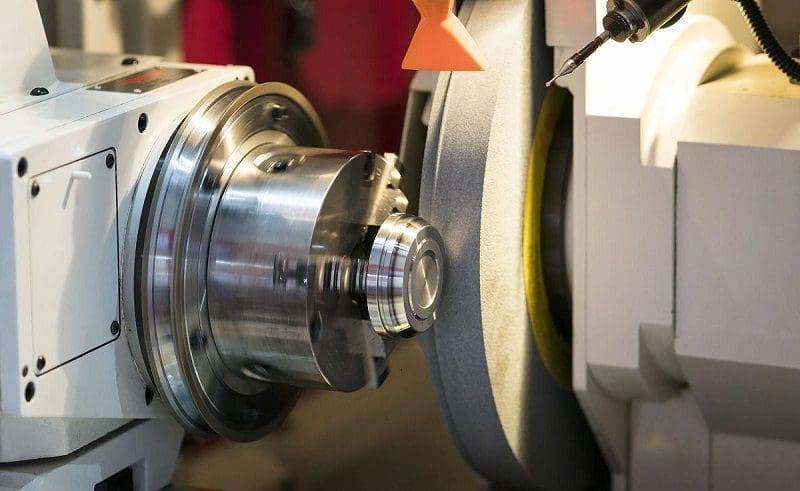
Surface finish requirements further influence pricing. Achieving a mirror-like polish on titanium is difficult and time-consuming. It often requires additional secondary operations, such as bead blasting or electropolishing, which increase both cost and lead time. Tighter tolerances also demand more careful setup and inspection processes.
Post-machining treatments are another cost driver. Titanium parts often need passivation or anodizing to enhance corrosion resistance. These processes require specialized handling to avoid hydrogen embrittlement or other chemical reactions. Suppliers who offer integrated post-processing services can streamline the workflow, potentially reducing overall project costs.
Selecting the Right Tooling and Strategy
Tool selection is paramount in successful titanium machining. Carbide tools with specific geometries are preferred over high-speed steel. The tool path must be optimized to maintain constant chip load and prevent rubbing. Rubbing generates excessive heat without removing material, quickly dulling the cutting edge.
Coolant strategy plays a crucial role in heat management. Flood coolant is commonly used to flush chips and cool the cutting zone. High-pressure through-spindle coolant can be more effective for deep cavities or complex geometries. It ensures that heat is removed from the interface between the tool and the workpiece.
Fixturing must be designed to minimize vibration and deflection. Titanium parts can spring back if not held securely. Custom fixtures that distribute clamping pressure evenly help maintain dimensional accuracy. Soft jaws or vacuum chucks may be used to protect delicate surfaces from marring during the machining process.
Common Applications Across Industries
Titanium CNC machined parts are vital in sectors where weight savings and durability are non-negotiable. The aerospace industry relies heavily on these components for engine parts, landing gear, and airframe structures. The ability to withstand high temperatures and stress makes titanium ideal for flight-critical applications.
In the medical field, surgical instruments and implantable devices often utilize titanium. Its biocompatibility and resistance to bodily fluids make it a preferred material for orthopedic and dental implants. CNC machining allows for the creation of complex geometries with the precision required for patient safety and device functionality.
Automotive and marine industries also benefit from titanium components. Racing cars use titanium connecting rods and valves to reduce reciprocating mass. Marine hardware requires materials that resist saltwater corrosion, and titanium offers exceptional longevity in these harsh environments. Each application demands specific grade selections and surface treatments.
Quality Control and Inspection Standards
Ensuring the quality of titanium parts requires rigorous inspection protocols. Dimensional accuracy is verified using coordinate measuring machines (CMM) or optical scanners. Surface integrity is checked for signs of white etching cracks or heat-induced discoloration. These defects can compromise the structural strength of the component.
Material certification is essential for traceability. Buyers should request mill test reports (MTRs) that confirm the chemical composition and mechanical properties of the titanium used. Non-destructive testing (NDT) methods, such as dye penetrant or ultrasonic testing, may be required for critical parts.
Documentation plays a key role in quality assurance. Detailed inspection reports should accompany each batch of parts. This includes first article inspection (FAI) data, process capability studies, and final acceptance records. Clear documentation helps buyers verify compliance with industry standards and internal specifications.
Comparison: Titanium vs. Aluminum Machining
Choosing between titanium and aluminum depends on the specific performance requirements of the part. Aluminum is lighter and easier to machine, allowing for faster production cycles. It is suitable for applications where weight is a primary concern but strength requirements are moderate.
Titanium offers superior strength and thermal stability compared to aluminum. It performs better in high-temperature environments and resists corrosion naturally. However, machining titanium is slower and more expensive due to tool wear and complex setup requirements.
The decision often comes down to a trade-off between cost and performance. For high-volume, low-stress parts, aluminum may be the more economical choice. For low-volume, high-stress, or corrosive environments, titanium provides long-term value despite higher upfront costs. Buyers should evaluate the total lifecycle cost rather than just the unit price.
This comparison highlights why titanium requires more engineering attention during the design phase. Ignoring these differences can lead to part failure or excessive manufacturing costs.
Practical Questions Before Choosing Titanium Machining
What are the typical lead times for titanium parts? Lead times vary based on complexity and volume. Simple parts may take two weeks, while intricate aerospace components can take eight weeks or more. Early engagement with your supplier helps align expectations and scheduling.
Can titanium parts be welded after machining? Yes, but welding requires specialized techniques like electron beam or laser welding. Post-weld heat treatment is often necessary to restore mechanical properties. Discussing assembly plans early ensures the machining process accounts for weld accessibility.
How do I specify surface finish requirements? Surface finishes are measured in microinches or Ra values. Rough machining leaves visible tool marks, while fine finishing requires slow passes. Specify the exact Ra value needed for functional fit and aesthetic appearance in your drawings.
Is titanium recyclable? Titanium is highly recyclable without losing its properties. Scrap generated during machining can be recovered and reused. This sustainability factor can be important for companies with strict environmental goals.
Making a Better Long-Term Decision
Selecting the right partner for titanium cnc machining involves evaluating technical capability, quality systems, and communication clarity. Avoid suppliers who offer generic quotes without understanding material behavior. Look for partners who provide engineering feedback on design for manufacturability (DFM).
YPMFG supports projects that require precise control over titanium processing parameters. We offer engineering assessments to optimize tool paths and reduce waste. Our team helps buyers navigate the complexities of material selection and post-processing needs.
You can send your specifications to YPMFG for a detailed review. We provide transparent quoting based on actual machining time and material usage. Contact us to discuss your project requirements and obtain a competitive proposal tailored to your needs.