Quick answer:
CNC brass processing is the use of computer-controlled milling, turning, and drilling machines to shape brass into precision components. Brass is one of the most machinable metals available, which means faster cycle times, better surface finishes, and lower tool wear compared to steel or stainless steel. It is commonly used for fittings, valves, electrical connectors, and decorative hardware. However, material grade, plating requirements, and tolerance specifications directly affect cost and lead time. Buyers should verify machinability ratings, dimensional tolerances, and corrosion resistance before committing to a production run.
Brass parts are everywhere in industrial and consumer products, yet many buyers discover too late that small differences in alloy grade or machining strategy change both price and performance. A part that looks identical on a drawing can behave very differently depending on whether it is made from free-cutting brass or a lead-free alternative. Understanding how CNC brass processing actually works helps you avoid costly surprises in quoting, production, and field failures.
This guide explains what drives cost, which brass grades matter, what tolerances are realistic, and how to evaluate a machine shop before sending your RFQ.
Table of Contents
What Is CNC Brass Processing?
Why Brass Is a Preferred Material for CNC Machining
Common Brass Grades Used in CNC Machining
Key Design Considerations for Brass Parts
Cost Factors in CNC Brass Processing
Tolerances and Surface Finishes You Should Expect
How to Evaluate a CNC Brass Machining Supplier
Common Questions About CNC Brass Processing
Choosing the Right Approach for Your Brass Components
What Is CNC Brass Processing?
CNC brass processing refers to the use of computer numerical control machines to cut, drill, mill, and turn brass stock into finished parts. The process starts with a digital CAD model, which is converted into machine instructions that control tool paths with high precision. Because brass is relatively soft compared to steel, it allows for higher cutting speeds and longer tool life.
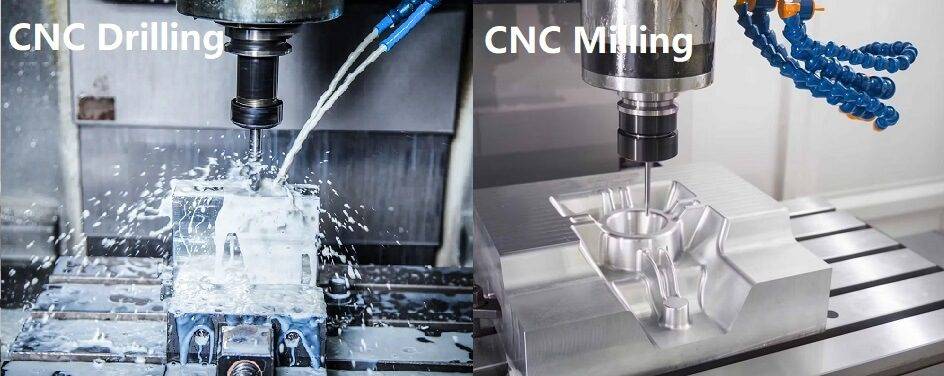
The main operations in CNC brass processing include CNC milling, CNC turning, and sometimes CNC drilling or tapping. Milling is used for flat surfaces, slots, and complex geometries, while turning is ideal for cylindrical parts like bushings, nozzles, and fittings. Many brass parts require both operations in a single production run.
Brass is often chosen because it combines good strength, natural corrosion resistance, and excellent electrical conductivity. It also produces clean chips and requires less coolant than harder metals. For these reasons, CNC brass processing is widely used in plumbing, automotive, electronics, and instrumentation.
Why Brass Is a Preferred Material for CNC Machining
Brass offers one of the best combinations of machinability and mechanical properties among metals. Its machinability rating is typically around 100 percent when compared to free-cutting steel, which means faster production and lower per-part cost. This makes brass an economical choice for high-volume components.
Another advantage is dimensional stability. Brass does not warp or distort easily during machining, even with thin walls or fine features. This is particularly important for parts that require tight tolerances over long production runs. Consistent results across batches reduce scrap and rework.
Brass also performs well in applications that involve contact with water, mild chemicals, or electrical current. It resists corrosion better than carbon steel and does not require protective coating in many indoor environments. For outdoor or marine use, however, plating or anodizing may still be necessary.
Common Brass Grades Used in CNC Machining
The most common brass grade for CNC machining is C36000, also known as free-cutting brass. It contains a small amount of lead, which improves chip breakage and tool life. This grade is ideal for high-speed production and is widely used for fittings, fasteners, and valve components.
Lead-free alternatives such as C46400, C48500, and C69300 are increasingly specified for potable water and food-contact applications. These grades may require adjusted machining parameters and often cost more per kilogram. Buyers should confirm which grade is required by their industry standards before requesting a quote.
Other grades like C26000 (cartridge brass) offer better cold-forming properties but are less commonly used in CNC machining. C27200 and C28000 provide a balance of strength and corrosion resistance for decorative or architectural parts. The right grade depends on mechanical requirements, environmental exposure, and regulatory compliance.
Key Design Considerations for Brass Parts
Designing for CNC brass processing requires attention to wall thickness, internal corners, and thread depth. Brass is ductile, but very thin walls can still vibrate during cutting, which affects surface finish. A minimum wall thickness of 0.8 mm is generally safe for most applications, but thicker walls are recommended for parts under stress.
Internal corners should have a radius whenever possible. Sharp internal corners require smaller tools and slower cutting speeds, which increases cost. A radius of at least 0.5 mm is a practical guideline. Threads should also be designed with standard sizes to avoid custom tooling.
Deep holes and narrow slots are possible in brass but may require specialized tooling. Depth-to-diameter ratios above 4:1 often need peck drilling cycles, which add cycle time. For custom machined brass parts, it is always better to discuss design constraints with an engineer before finalizing the drawing.
Cost Factors in CNC Brass Processing
Material cost is the largest single factor in most brass machining projects. Brass prices fluctuate with global copper and zinc markets, so quotes can change over time. The grade of brass also matters; lead-free alloys typically cost more than standard C36000.
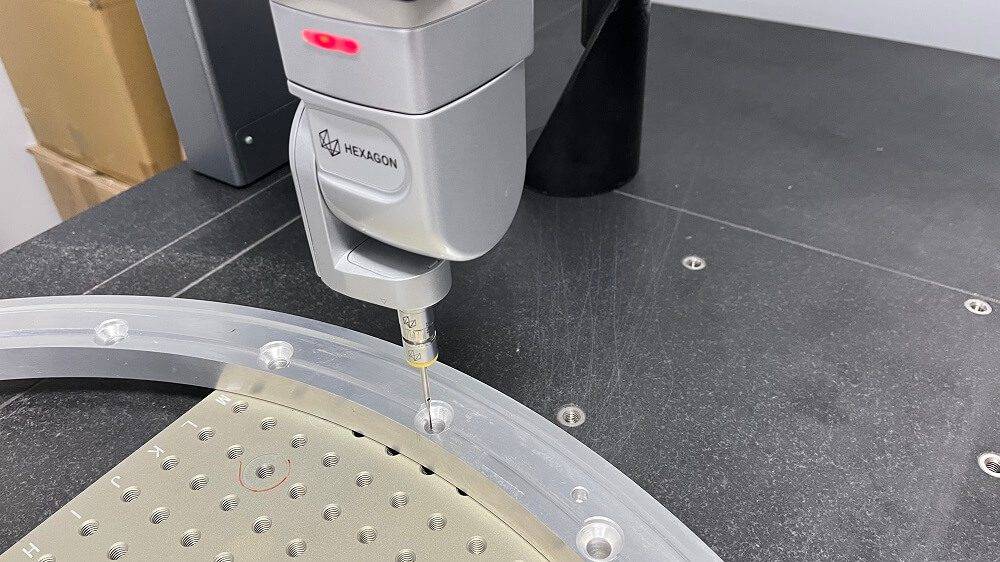
Part complexity is the second major cost driver. Every feature that requires a tool change, a second setup, or a slower feed rate adds time and cost. Simple geometries with standard tolerances are the most economical. Tight tolerances below ±0.05 mm may require additional inspection and slower machining.
Order quantity affects unit pricing significantly. Setup costs are spread across the batch, so larger quantities reduce per-part cost. However, inventory holding costs and design change risks should also be considered. Many suppliers offer better pricing for annual volume commitments rather than one-time orders.
Tolerances and Surface Finishes You Should Expect
Standard CNC machining tolerances for brass parts are typically ±0.1 mm for general dimensions. For tighter requirements, ±0.05 mm is achievable with careful setup and inspection. Precision work down to ±0.025 mm is possible but may require additional machining passes and measurement.
Surface finish is usually measured in Ra (roughness average). Standard machined brass surfaces range from Ra 1.6 to 3.2 micrometers. For sealing surfaces or visible components, Ra 0.8 or better can be achieved with polishing or fine turning. Plating,such as nickel or chrome, can further improve appearance and wear resistance.
It is important to note that tolerance and finish requirements should match the actual function of the part. Over-specifying tolerances increases cost without adding value. A good machine shop will flag unnecessarily tight tolerances and suggest practical alternatives.
How to Evaluate a CNC Brass Machining Supplier
Start by asking about the supplier’s experience with brass specifically. Brass behaves differently from steel or aluminum, and shops that lack experience may struggle with chip control, tool selection, or surface finish. Ask for examples of similar brass parts they have produced.
Review their quality inspection process. A reliable supplier should have documented procedures for dimensional checks, material traceability, and final inspection reports. Ask whether they provide material certifications and first article inspection reports. These documents are essential for regulated industries.
Communication is another key factor. A supplier that asks questions about your application, environment, and functional requirements is more likely to deliver a suitable part. YPMFG provides engineering review of drawings before quoting, which helps identify potential manufacturing issues early and reduces the risk of production delays.
Common Questions About CNC Brass Processing
What is the difference between brass and bronze in CNC machining?
Brass is an alloy of copper and zinc, while bronze is primarily copper and tin. Brass is easier to machine, has better corrosion resistance in water, and is more affordable. Bronze is stronger and more wear-resistant, making it better for heavy-duty bearings and marine applications.
Can CNC brass parts be used for potable water applications?
Yes, but only if the brass grade is lead-free and certified for drinking water contact. Grades like C69300 are designed for this purpose. Standard C36000 brass contains lead and should not be used in potable water systems. Always verify compliance with local regulations.
Does brass need surface treatment after CNC machining?
Not always. Brass naturally resists corrosion and can be used without coating in many indoor applications. For outdoor, marine, or high-humidity environments, clear coating, nickel plating, or chrome plating is often recommended. The choice depends on appearance and environmental exposure.
How long does CNC brass processing take for a typical order?
Lead time depends on part complexity, quantity, and supplier workload. Simple parts can be produced in a few days, while complex parts with tight tolerances may take several weeks. Most suppliers provide an estimated lead time with their quote.
What is the minimum order quantity for CNC brass parts?
Many CNC machining suppliers accept low-volume orders, including prototypes and small batches. Minimum order quantities vary by shop and part complexity. Some suppliers charge a higher setup fee for small runs, while others offer competitive pricing for quantities as low as one.
How do I get an accurate quote for CNC brass processing?
Send a complete technical drawing with material grade, tolerances, surface finish, and quantity. Include any regulatory requirements or testing needs. The more complete your specifications, the more accurate your quote will be.
Choosing the Right Approach for Your Brass Components
CNC brass processing delivers reliable, cost-effective parts when the material grade, design, and supplier are matched to the application. The lowest quote is not always the best value. Consider tool life, inspection quality, and the supplier’s willingness to engage with your engineering requirements.
Send your specifications to YPMFG for a detailed engineering review and quote. Their team can help you evaluate material options, suggest design improvements, and confirm whether your tolerances are practical for production. You can also request material certifications, first article inspection reports, and samples before committing to a full production run.