
Quick answer:
Custom steel machining for milling and turning spare parts refers to the process of removing material from steel stock using computer-controlled milling and turning centers to produce replacement components with precise dimensions, tolerances, and surface finishes. This approach is essential when off-the-shelf parts do not fit, wear out prematurely, or need to match specific equipment geometries. The main advantages include exact fit, longer service life, and the ability to optimize material grades for the operating environment. Choosing the right machining partner directly affects part quality, delivery time, and total project cost.
Design engineers and maintenance managers often face a difficult situation when a machine goes down and the required steel spare part is no longer in production, is obsolete, or was never available as a standard item. Waiting weeks for a generic replacement that may not fit correctly is rarely acceptable. Custom steel machining offers a direct path back to production, but only if the provider understands both material behavior and the real-world loads the part must handle. YPMFG works with buyers who need more than a quick cut—they need a part that performs reliably under repeat stress.
What Makes Steel the First Choice for Machined Spare Parts
Steel remains the most widely used material for custom machined spare parts because of its balance between strength, wear resistance, and affordability. Unlike aluminum, steel can handle higher loads without deforming. Compared to plastics, it withstands higher temperatures and resists creep under continuous pressure. For components such as shafts, gears, bushings, flanges, and housings, steel provides the durability that production environments demand.
The selection of the correct steel grade is often the difference between a part that lasts one shift and one that lasts a full maintenance cycle. Common grades used in custom steel machining include 1018, 1045, 4140, 4340, and stainless variants like 303 and 316. Each grade offers a different combination of hardness, machinability, corrosion resistance, and heat treat response. A part made from the wrong grade may fail early, causing unplanned downtime and additional replacement cost.
Milling vs. Turning for Steel Spare Parts
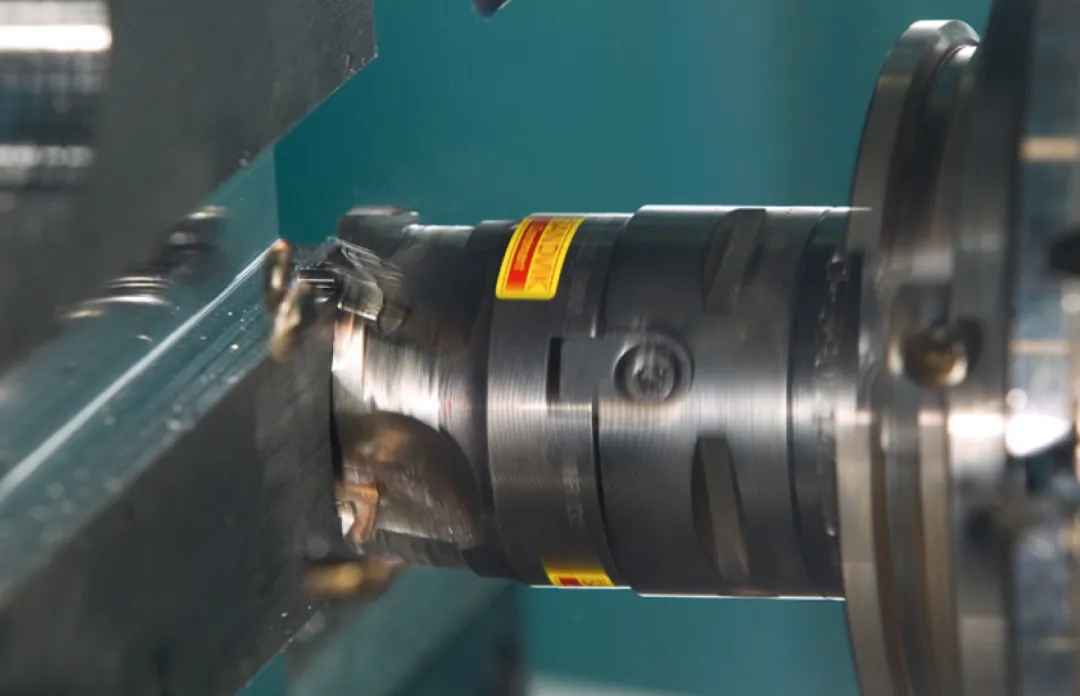
Milling and turning are the two primary subtractive processes used to produce custom steel spare parts. Understanding the difference helps buyers communicate their requirements more clearly and leads to faster, more accurate quotes.
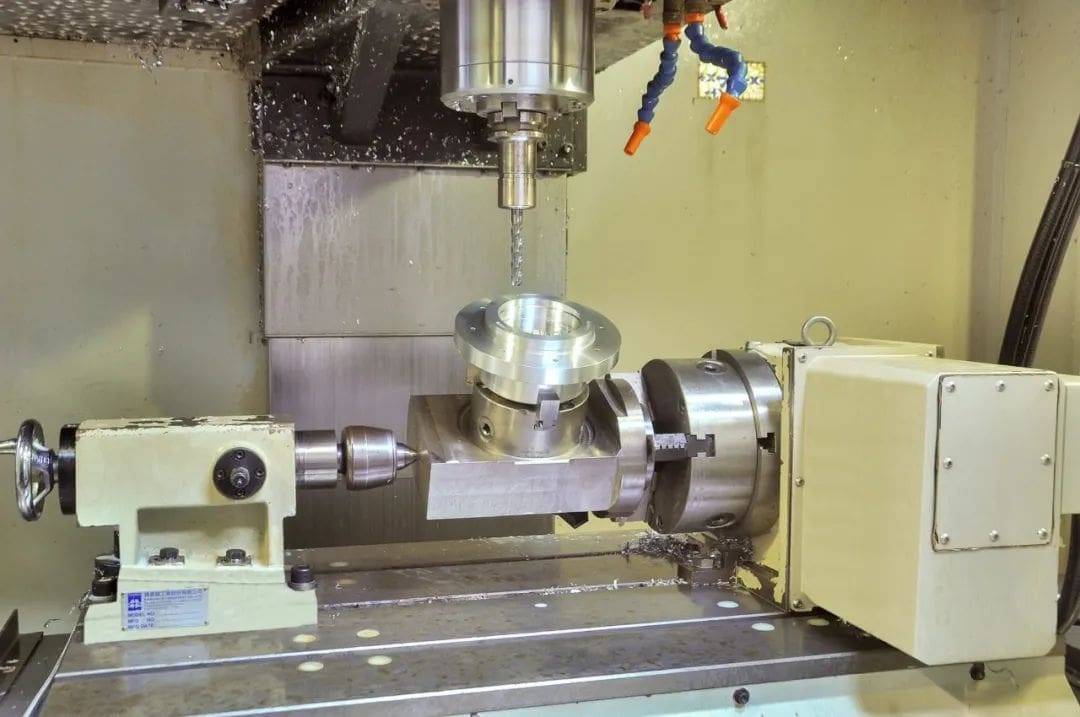
Many steel spare parts require both milling and turning operations. A shaft may be turned to the correct diameter, then milled for a keyway or flat surface. When a shop offers combined capability in a single setup, the part is more likely to hold concentricity and geometric tolerances. YPMFG regularly produces parts that require both operations, which reduces lead time and eliminates secondary fixturing errors.
Key Specifications to Include in Your RFQ
When requesting a quote for custom steel machining, incomplete specifications often lead to unexpected cost increases or delays. Including the following details helps the machine shop deliver an accurate price and a part that meets your expectations.
Material grade and condition: Specify the exact steel grade and whether it should be in the as-rolled, cold-drawn, or heat-treated condition.
Tolerance requirements: Indicate which features require tight tolerances, such as bearing seats, sealing surfaces, or threaded sections.
Surface finish: Common requirements include 32 Ra,63 Ra, or smoother for sealing or sliding interfaces.
Heat treatment: Specify if the part needs through-hardening, case hardening, induction hardening, or stress relieving.
Quantity and delivery window: Annual volume and desired lead time affect both unit price and process planning.
Thread specifications: Provide thread type, class of fit, and depth requirements to avoid cross-threading or assembly issues.
Providing these details upfront reduces back-and-forth communication and helps the shop select the most efficient machining strategy for your spare parts production.
Common Questions About Custom Steel Machining
How much does custom steel machining cost for spare parts?
Cost depends on material grade, part complexity, tolerance requirements, and quantity. Simple turned bushings in 1018 steel are generally lower in cost than complex milled housings in 4140 with tight flatness and hole position tolerances. Requesting a quote with a complete 2D drawing and a 3D model gives the most accurate price.
What tolerances can be held in custom steel machining?
Standard machining tolerances typically range from ±0.005 inches to ±0.001 inches. With careful process control, some features can hold ±0.0005 inches. Tighter tolerances require additional inspection and may increase cycle time, so it is best to apply tight tolerances only where functionally necessary.
How long does it take to machine a custom steel spare part?
Lead time depends on material availability, part complexity, and current shop capacity. Simple parts can ship in one to two weeks. More complex parts requiring multiple setups or heat treatment may take three to four weeks. Rush orders are often possible for critical downtime situations.
Can you machine stainless steel spare parts?
Yes. Stainless steel grades such as 303, 304, and 316 are commonly machined for custom spare parts. They offer excellent corrosion resistance but require different cutting parameters than carbon steels. Be sure to specify the service environment so the correct stainless grade is selected.
Do I need a drawing to get a quote?
A 2D engineering drawing with dimensions and tolerances is preferred. A 3D model in STEP or IGES format combined with a PDF drawing provides the most complete information. If a drawing is not available, some shops can reverse-engineer a part from the worn sample.
What is the difference between custom and standard spare parts?
Standard spare parts are mass-produced to generic dimensions and may not match your equipment exactly. Custom spare parts are machined to your specific geometry, material, and tolerance requirements, ensuring proper fit and longer service life.
How do I know which steel grade to use for my application?
Consider the operating load, temperature, wear mechanism, and environment. For general mechanical parts, 1045 carbon steel is a common choice. For higher strength, 4140 alloy steel is often used. For corrosive or sanitary environments, 316 stainless steel is typical.
Can a machined steel spare part be hardened?
Yes. Many steel grades can be heat-treated after machining to increase hardness and wear resistance. Through-hardening, case hardening, and induction hardening are common methods. Heat treatment should be specified on the drawing, and final machining of critical surfaces may be needed after treatment.
How Complexity Affects Machining Cost and Lead Time
Part complexity is one of the strongest drivers of both cost and delivery time in custom steel machining. A simple turned pin with one diameter and a chamfer can be programmed and cut in minutes. A part requiring multiple milled features, threaded holes, tight positional tolerances, and a fine surface finish takes significantly longer to set up and machine.
The number of setups often determines whether a part is simple or complex. If all features can be reached in one or two setups, cost stays lower. If the part must be repositioned multiple times, fixturing and inspection time increase. For highly complex parts, a custom solution that combines milling and turning in a single machine reduces handling errors and shortens total cycle time.
When evaluating a potential supplier, ask how they handle parts with multiple features. Shops that take time to plan the machining sequence and select appropriate tooling typically deliver more consistent results on complex steel spare parts.
Questions Buyers Often Ask About Custom Steel Parts
What information do I need to provide for a custom steel part quote?
Provide a material specification, a 2D drawing with dimensions and tolerances, a 3D model if available, quantity, and desired delivery date. The more detail you supply, the more accurate the quote will be.
Can you match the original part dimensions exactly?
Yes, as long as the original part can be measured or the engineering drawing is available. Machining to exact dimensions ensures proper fit and function without modification to surrounding components.
Is it cheaper to buy a standard part than to machine a custom one?
Standard parts are generally lower in unit cost at high volumes. However, if a standard part does not fit correctly or fails prematurely, the total cost including downtime and replacement labor can exceed the cost of a custom-machined part.
What surface finish is standard for steel machined parts?
A typical surface finish for general-purpose steel parts is 63 Ra. For sealing surfaces or sliding fits, 32 Ra or smoother may be required. The drawing should specify finish requirements on critical surfaces only.
How do I prevent rust on machined steel parts?
Apply a rust-preventive oil, wax, or phosphate coating after machining. For parts exposed to moisture, consider stainless steel or a post-machining plating such as zinc or nickel.
Can you machine parts from hardened steel?
Hardened steel is difficult to cut and requires specialized tooling. In most cases, parts are machined in the annealed or normalized condition, then heat-treated. If machining hardened steel is unavoidable, electrical discharge machining or grinding may be needed.
What is the minimum quantity for custom steel machining?
There is no strict minimum, but single-piece quantities carry higher setup cost per part. Many shops, including YPMFG, accept low-volume orders for spare parts because the value of keeping equipment running outweighs the unit cost.
Choosing the Right Partner for Your Steel Spare Parts
Selecting a machining partner for custom steel machining milling turning spare parts is a decision that affects equipment uptime, maintenance cost, and production reliability. A partner that understands material selection, process planning, and quality inspection can deliver parts that perform as well as—or better than—the original.
When evaluating a shop, look for experience with steel alloys, in-house inspection capability, and clear communication on tolerances and lead times. YPMFG supports buyers by reviewing drawings, recommending material grades, and providing engineering feedback before production begins. If you are managing a repair or planning a preventive spare parts inventory, send your specifications to YPMFG for a production assessment.