Quick answer:
CNC turning is a subtractive manufacturing process where a stationary cutting tool removes material from a rotating cylindrical workpiece to create precise parts. It is the most efficient method for producing axis-symmetric components like shafts, bushings, and sleeves. This process ensures tight tolerances and high surface quality, making it ideal for both prototyping and high-volume production runs.
The complexity of cnc turning process often leads to confusion regarding its capabilities versus milling. While milling uses rotating tools on stationary parts, turning relies on part rotation. Understanding this fundamental difference is critical for selecting the right manufacturing method for your specific geometry requirements.
YPMFG specializes in high-precision turning services, helping engineers navigate these technical distinctions. We provide detailed engineering assessments to ensure your design is optimized for turning efficiency and cost-effectiveness.
Core Principles of CNC Turning
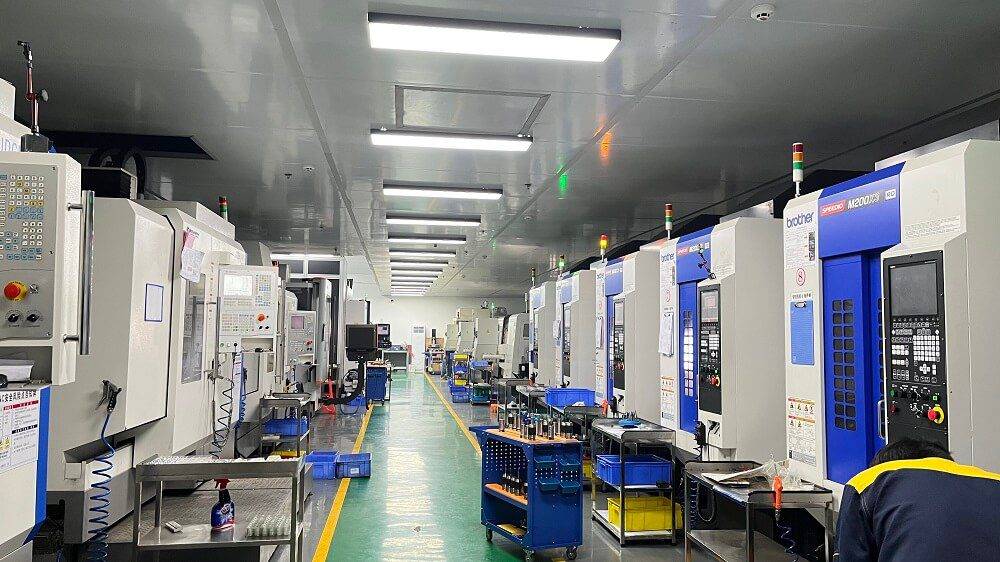
The primary mechanism involves mounting the raw material, typically metal or plastic, into a chuck or collet. The machine spins the workpiece at high speeds while a single-point cutting tool advances along the X and Z axes. This relative motion between the tool and the part creates the final shape.
Modern CNC lathes automate this movement with extreme precision. Computer-controlled servo motors adjust feed rates and spindle speeds in real-time. This automation reduces human error and ensures consistent part quality across large batches.
Key Components and Tooling
Successful turning requires the right combination of machine, tooling, and coolant. The cutting tool itself is usually made of carbide or ceramic materials to withstand high temperatures and wear. Each tool insert has a specific geometry designed for particular operations like roughing or finishing.
Tool holders must be rigid to prevent vibration during cutting. Any chatter or deflection can ruin surface finish and dimensional accuracy. Proper clamping systems ensure the tool remains stable throughout the machining cycle.
Coolant systems play a vital role in heat management and chip removal. They extend tool life and improve the surface integrity of the finished part. Different materials require specific coolant types and flow rates for optimal performance.
Common Turning Operations
CNC turning supports a wide variety of operations beyond simple cylinder creation. Engineers can perform facing, threading, grooving, and parting off in a single setup. This multi-functionality reduces lead times and minimizes handling errors.
Facing creates a flat surface on the end of the workpiece. It provides a reference plane for subsequent operations. Threading generates internal or external screw threads with precise pitch and depth.
Grooving cuts narrow channels into the part for seals or retaining rings. Parting off separates the finished component from the raw stock bar. These operations allow for complex geometries without changing machines.
Material Selection and Machinability
Not all materials behave the same way during turning. Aluminum offers excellent machinability and surface finish but may require specific tool coatings. Stainless steel is harder and generates more heat, requiring slower feed rates and robust tooling.
Brass and copper are easy to cut but can produce sharp, stringy chips. These materials often benefit from specific chip breakers on the tool. Engineering plastics vary widely; some melt easily under friction heat.
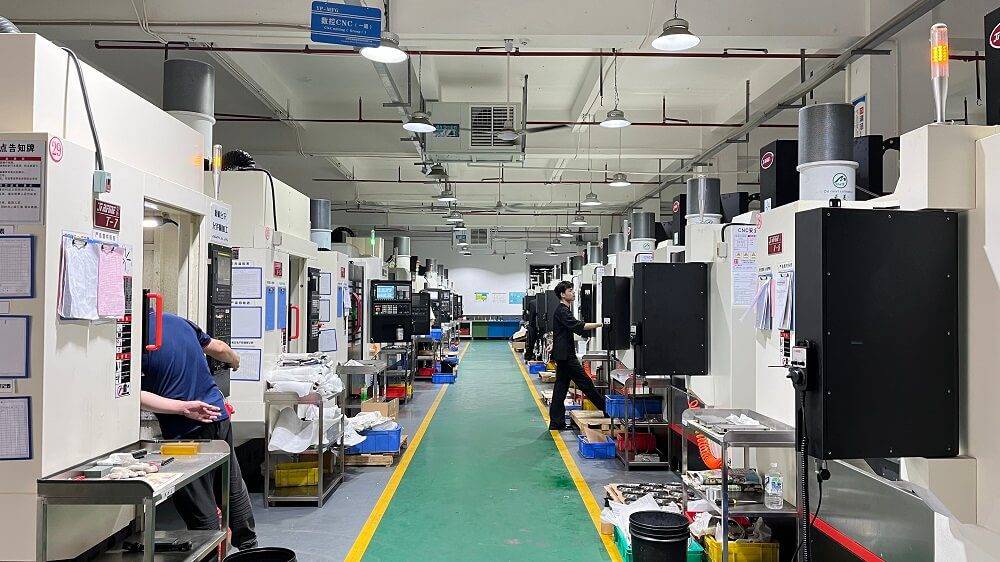
YPMFG evaluates material properties before starting production. We select appropriate cutting parameters to maximize tool life and part quality. Our team advises on material choices that balance performance and cost.
Tolerances and Surface Finish
CNC turning can achieve tight tolerances, typically within ±0.01 mm for standard operations. High-precision grinding may be required for tighter specs. Surface roughness values depend on tool geometry, feed rate, and material type.
Ra values between 1.6 and 3.2 microns are common for general turning. Finer finishes require slower speeds and sharper tools. Post-processing methods like polishing can further improve surface aesthetics.
Dimensional stability is crucial for functional parts. Thermal expansion during machining can affect measurements. Proper cooling and stable environmental conditions help maintain accuracy.
Advantages Over Other Processes
Turning is generally faster and cheaper for rotational parts than milling. It removes material more efficiently due to continuous cutting action. Setup times are shorter for batch production of similar components.
The ability to machine long, slender parts is a unique advantage. Milling such parts often results in deflection and poor accuracy. Turning provides better support through the chuck or tailstock.
However, turning is limited to axis-symmetric geometries. Complex non-round shapes require milling or casting. Understanding these limitations helps in choosing the most economical manufacturing route.
Cost Factors in Turning
Several factors influence the final cost of turned parts. Material cost is straightforward, based on weight and grade. Labor costs are lower for CNC turning compared to manual machining due to automation.
Machine time is the biggest variable. Part complexity, tolerance requirements, and surface finish needs directly impact cycle time. Longer cycles increase costs significantly.
Secondary operations add to the price. If parts require drilling, tapping, or heat treatment after turning, additional fees apply. Consolidating operations on a multi-axis lathe can reduce these extra costs.
Design Guidelines for Turned Parts
Designing for manufacturability saves time and money. Avoid internal corners with sharp radii; use fillets instead. Tools cannot cut perfect square corners internally. Standard tool nose radii should be respected in CAD models.
Thread specifications should follow standard sizes. Custom threads require special tooling and longer setup times. Providing clear datum references helps in programming and inspection.
Consider wall thickness limitations. Thin walls may vibrate or deform during cutting. Adequate wall thickness ensures rigidity and dimensional stability. Consult with engineers like those at YPMFG for design reviews.
Quality Control and Inspection
Rigorous quality control is essential for precision parts. First Article Inspections verify that the initial output meets all specifications. Statistical Process Control monitors consistency over time.
Coordinate Measuring Machines (CMM) check complex geometries. Micrometers and calipers are used for quick dimensional verification. Surface roughness testers ensure finish quality meets standards.
Documentation is key for traceability. Material certificates and inspection reports provide proof of compliance. This is particularly important for aerospace and medical industries.
Applications Across Industries
CNC turned parts are ubiquitous in modern manufacturing. Automotive industry uses them for axles, pistons, and valve components. Aerospace relies on high-strength titanium and aluminum turning for engine parts.
Medical devices require biocompatible materials and ultra-finish surfaces. Surgical instruments and implants are common turned products. Electronics housings often use aluminum turning for heat dissipation.
Fluid power systems need precise hydraulic fittings and cylinders. These components must withstand high pressure and leakage. Turning ensures the necessary seal integrity and durability.
Common Challenges and Solutions
Chip control is a frequent challenge in turning. Long, tangled chips can damage the part or tool. Using proper tool geometry and coolant pressure helps break chips effectively.
Tool wear affects part consistency. Regular monitoring and timely replacement are necessary. Implementing tool life management systems can predict failures before they occur.
Vibration or chatter ruins surface finish. Reducing overhang length and increasing rigidity helps. Adjusting spindle speed to avoid resonance frequencies is also effective.
Future Trends in Turning Technology
Automation is transforming the turning landscape. Robotic loaders handle parts continuously,enabling lights-out manufacturing. This increases throughput and reduces labor costs significantly.
Multi-tasking machines combine turning and milling capabilities. These centers produce complex parts in one setup. It eliminates secondary operations and improves accuracy.
Smart sensors monitor machine health in real-time. Predictive maintenance prevents unexpected downtime. Data analytics optimize cutting parameters for maximum efficiency.
How to Choose a Turning Partner
Selecting the right service provider impacts project success. Experience with your specific material and tolerance is crucial. Ask about their equipment capabilities and quality processes.
Communication is vital for smooth collaboration. A good partner provides feedback on design improvements. They should offer transparent pricing and realistic lead times.
YPMFG offers comprehensive support from design to delivery. We provide detailed quotes and engineering evaluations. Contact us to discuss your specific cnc turning process requirements.
Questions Buyers Often Ask
What is the minimum order quantity for turned parts?
Many suppliers accept low volumes for prototyping. However, setup costs remain fixed regardless of quantity. Higher volumes reduce per-unit costs through amortization. Always ask about NRE charges upfront.
Can you turn plastic materials like PEEK or Delrin?
Yes, CNC turning works well with engineering plastics. Material selection depends on thermal properties and machinability. Special tool coatings may be needed to prevent melting.
How do you handle tight tolerances like +/- 0.005mm?
Achieving such precision requires stable machines and skilled operators. Temperature control and vibration reduction are critical. We use advanced measurement tools to verify compliance.
What is the typical lead time for custom turned parts?
Lead times vary based on complexity and volume. Standard parts may ship in days. Complex, tight-tolerance parts might take weeks. Rush services are often available for urgent needs.
Do you provide material certifications?
Yes, we supply mill test reports for metals. Plastics come with certificates of conformity. This documentation is essential for regulated industries like medical and aerospace.
Choosing the Right Supplier for Your Needs
Need Help Selecting the Right Solution?
Reliable partners provide more than just machining. They offer engineering insights and quality assurance. You can send your specifications to YPMFG for review. We help you optimize designs and control costs. Request a quote to start your project today.