
Quick answer:
CNC machining is the primary manufacturing method for producing high-precision robotic components such as structural frames, joint housings, end-effector mounts, and custom brackets. Robotics applications demand tight tolerances, repeatable accuracy, and material versatility — all of which CNC machining delivers consistently. Whether you are building a collaborative robot arm or an autonomous mobile platform, machined metal and plastic parts form the backbone of motion and structural integrity. Without CNC precision, robotic systems risk misalignment, reduced cycle life, and failure under load.
If your robotics project requires tight-tolerance parts from aluminum, stainless steel, engineering plastics, or titanium, understanding how CNC machining fits into your development and production cycle is essential. This article explains what types of robotic parts are machined, what tolerances matter, how material selection affects performance, and what to look for when choosing a CNC machining partner for robotics applications.
Why CNC Machining Is Critical for Robotics
Robotics systems operate under repeated motion, variable loads, and often harsh environments. Every component must fit precisely and maintain its geometry over thousands or millions of cycles. CNC machining provides the repeatability and surface finish that cast or 3D-printed parts cannot reliably achieve at scale.
Key reasons include:
Tight tolerances — Typical robotic joints require tolerances of ±0.005 in or tighter to avoid backlash and wear.
Material strength — Load-bearing parts need metals like 6061 aluminum, 7075 aluminum, or stainless steel 304/316.
Surface finish — Bearing surfaces and mating interfaces require finishes of 32 Ra or better to reduce friction.
Consistency — CNC programs ensure every part matches the first article, critical for multi-axis arms and gantry systems.
Without machined precision, robotic systems suffer from increased calibration time, premature bearing failure, and unpredictable performance under load.
Types of Robotic Parts Commonly Machined
Robotics applications cover a wide range of part geometries. The most common categories include:
Structural Components
Base plates, mounting brackets, and chassis frames
Robot arm segments and link arms
Gantry beams and support rails
Joint and Motion Parts
Housing enclosures for servo motors and gearboxes
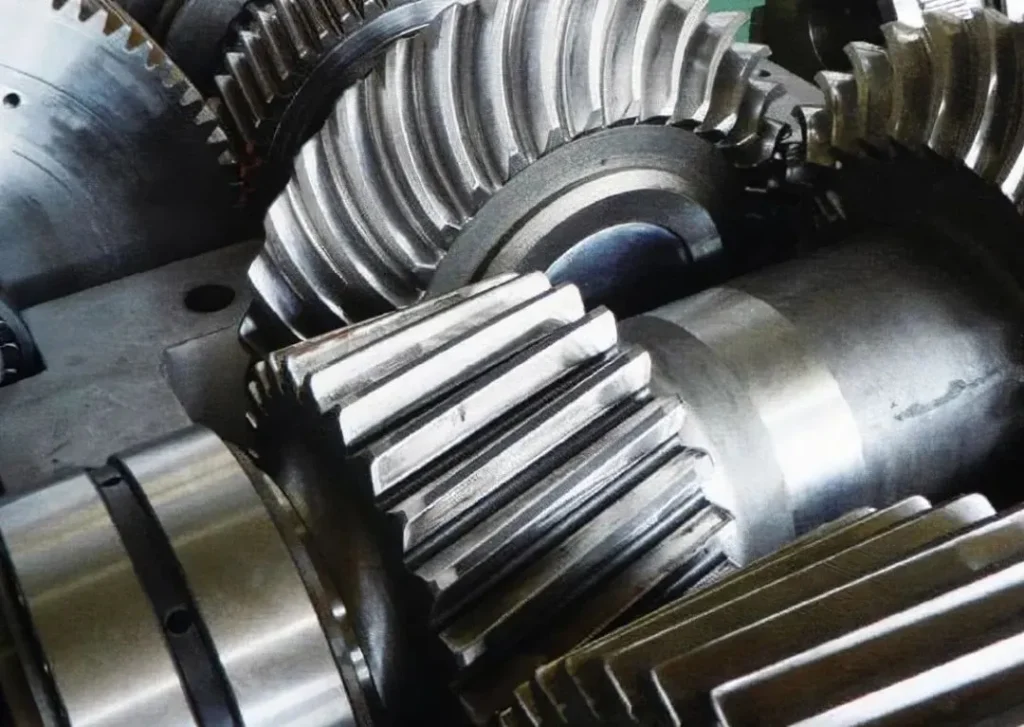
Flanges and adapters for rotary joints
Bearing retainers and spacer rings
End-Effector Parts
Gripper jaws and fingers
Tool changers and mount plates
Sensor brackets and camera mounts
Custom Prototypes
One-off parts for proof-of-concept builds
Iterative design revisions before production tooling
Each part type places different demands on machining strategy, material selection, and quality control.
Materials Used in CNC Machined Robotics Parts
Material choice directly affects robot weight, stiffness, corrosion resistance, and cost. Below is a comparison of commonly used materials in CNC machined robotics parts.
Conclusion: Aluminum 6061 is the most common starting point for robotic structures. For higher loads or harsh environments, 7075 aluminum or stainless steel may be required. Engineering plastics reduce weight and noise in non-critical areas.
Key Tolerances for Robotic Components
Robotic parts generally require tighter tolerances than general mechanical parts. Typical ranges include:
Structural brackets and base plates: ±0.005 in to ±0.010 in
Joint housings and flange interfaces: ±0.002 in to ±0.005 in
Bearing bores and shaft fits: ±0.001 in to ±0.002 in
Mating surfaces for alignment: ±0.002 in or tighter
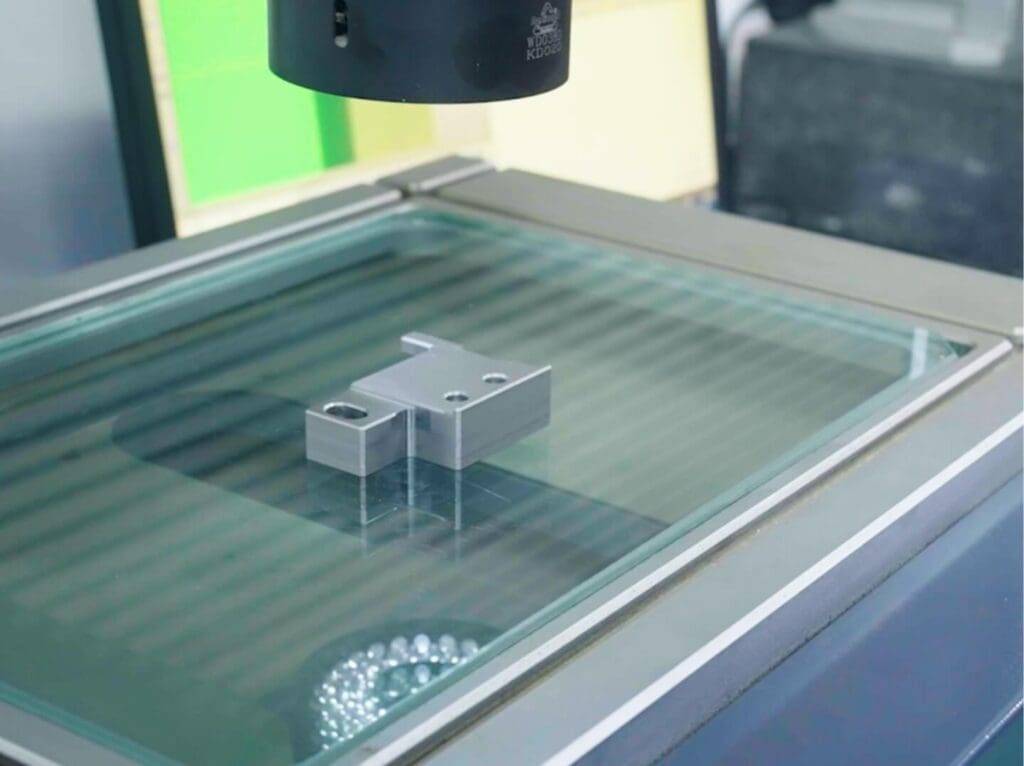
If tolerances are too loose, the robot arm will exhibit positional error, increased vibration, and accelerated wear. If tolerances are unnecessarily tight, machining cost and lead time increase without functional benefit.
YPMFG works with customers to define realistic tolerance targets based on joint type, load, and cycle life expectations. Sending a part drawing with critical dimensions marked helps reduce both cost and lead time.
How CNC Machining Affects Robot Performance
The quality of machined parts directly influences several robot performance metrics:
Repeatability — Consistent part geometry allows the robot to return to the same position reliably.
Stiffness — Properly machined joints and links reduce deflection under load.
Thermal stability — Machined metals handle heat buildup better than printed plastics.
Noise and vibration — Tight fits and good surface finishes reduce mechanical noise.
A robot built with poorly machined parts will require more frequent calibration, higher maintenance, and may fail earlier in the field.
Questions Buyers Often Ask About CNC Machining for Robotics
What file formats do you accept for CNC machining?
Most shops accept STEP, IGES, or native CAD files. PDF drawings with critical dimensions and tolerances marked are also recommended. For robotics parts, include assembly references and surface finish requirements.
How long does it take to machine custom robotic parts?
Lead time depends on complexity, material, and quantity. Simple brackets can ship in 5–7 business days. Multi-axis housings with tight tolerances may take 2–3 weeks. Prototype quantities often take longer per part but can be expedited.
Can you machine one-off parts for a prototype robot?
Yes. CNC machining is well suited for low-volume production and prototypes. Unlike injection molding, there is no tooling cost, so single parts are practical for development builds.
What is the typical cost range for a robotic component?
Cost varies by material, size, complexity, and tolerance. A simple aluminum bracket might cost $20–$50. A complex joint housing with multiple operations can range from $150–$500. Always request a quote with a detailed drawing.
Do you offer surface finishing for robotic parts?
Yes. Common finishes include clear anodize, hard anodize, bead blast, passivation, and powder coating. The finish affects wear resistance, corrosion protection, and appearance. Specify your requirement on the drawing.
Can you help select the right material for my robot?
Many CNC shops provide material guidance. YPMFG reviews the application load, environment, and weight constraints before recommending a material. This avoids costly trial-and-error during prototyping.
Do you provide engineering feedback on designs?
Yes. A good CNC partner reviews drawings for machinability, potential tolerance conflicts, and cost reduction opportunities. This is particularly valuable for engineers new to robotics manufacturing.
What quality checks do you perform on robotic parts?
Standard checks include dimensional inspection, surface finish verification, and first-article reporting. For critical robotics components, CMM inspection and material certification can be provided upon request.
Choosing the Right CNC Partner for Your Robotics Project
Not all machine shops understand the demands of robotics. Parts that look correct on paper may fail under cyclic loading or thermal expansion. The right partner brings both machining capability and application knowledge.
Look for:
Experience with robotics or automation parts
Ability to hold tolerances below ±0.005 in
Material sourcing for aerospace-grade metals and engineering plastics
Engineering review as part of the quoting process
Clear communication on lead times and cost drivers
YPMFG supports robotics projects from prototype to production. Engineers review your drawings, suggest material alternatives when appropriate, and provide documentation including dimensional reports and material certifications. You can send your specifications and ask for an engineering review to confirm your design is manufacturable at the right cost.
Making a Smarter Long-Term Decision
Choosing the right manufacturing approach for robotic components affects more than initial cost. It determines how quickly you can iterate prototypes, how consistently production parts perform, and how much rework or field failure you face later.
CNC machining gives robotics engineers the precision, material choice, and repeatability that additive or conventional methods cannot match. When you work with a shop that understands joint tolerances, surface finish requirements, and material behavior under load, you reduce risk and speed up your development timeline.
If you are developing a robotic system and need reliable, precision-machined parts, contact YPMFG. Engineers can review your design, recommend material and finish options, and provide a quote with realistic lead times. Send your specifications or CAD files to begin the evaluation.