Quick answer:
CNC milling and turning are the two primary methods used in precision metal machining to create complex parts with tight tolerances. Milling removes material using rotating cutters,while turning rotates the workpiece against a stationary tool. Selecting the right service depends on your part geometry, volume, and required surface finish.
For most industrial applications, these processes offer repeatability and accuracy that manual methods cannot match. Understanding their differences helps you choose the correct manufacturing route for your specific needs.
Choosing between cnc milling turning metal services can significantly impact your project timeline and budget. Many engineers assume all machining is identical, but the process selection dictates part quality.
YPMFG specializes in delivering high-precision components through advanced cnc machining techniques. Our approach focuses on matching your design intent with the most efficient manufacturing method. We evaluate each part to determine whether milling, turning, or a combination yields the best result.
This decision affects dimensional accuracy, surface integrity, and production speed. Ignoring these factors often leads to unnecessary costs or compromised part performance.
Core Differences Between Milling and Turning
Understanding the fundamental mechanics of these processes is essential for effective procurement. Each method excels in specific geometries and material types.
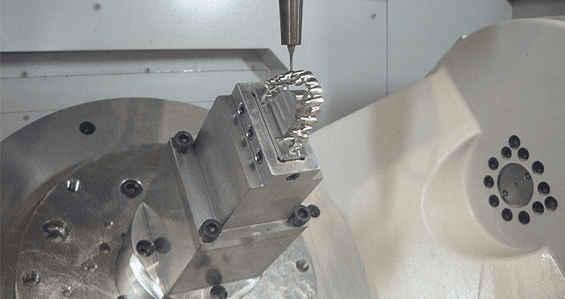
Milling involves removing material from a stationary workpiece using rotating multi-point cutting tools. This process is ideal for creating flat surfaces, slots, pockets, and complex 3D contours. Engineers typically use milling for brackets, housings, and plates.
Turning, conversely, rotates the workpiece while a stationary single-point tool cuts the material. This method is optimized for cylindrical shapes, such as shafts, pins, and bushings. It provides excellent concentricity and roundness for rotational parts.
Many projects require both processes to achieve final specifications. Hybrid solutions ensure that every feature meets its design requirements efficiently.
Material Selection and Compatibility
The choice of metal influences which machining process performs best. Different alloys respond uniquely to cutting forces and heat generation during production.
Aluminum is widely used due to its machinability and light weight. It performs well in both milling and turning operations. High-speed machining allows for rapid material removal without sacrificing surface quality.
Stainless steel offers superior strength and corrosion resistance. It requires more robust equipment and slower feed rates. Specific grades like 304 or 316 may need specialized tooling to prevent work hardening.
Titanium presents significant challenges due to its low thermal conductivity. Excessive heat can damage tools and degrade part integrity. Precise cooling strategies and optimized cutting parameters are critical for successful cnc machining of titanium components.
Tolerance and Surface Finish Requirements
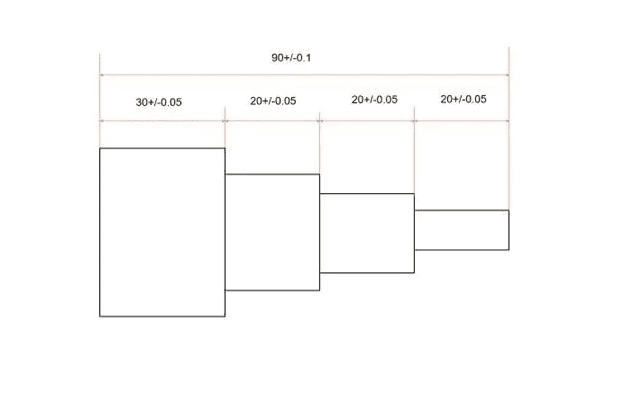
Precision levels vary based on the application and chosen process. Most standard cnc milling turning metal services can achieve tolerances within ±0.005 inches. Higher precision requests may require secondary operations or specialized setups.
Surface finish is determined by tool path, feed rate, and cutter geometry. Ra values typically range from 32 to 125 microinches for standard finishes. Rougher finishes may suffice for non-critical structural parts.
Mirror-like finishes often require additional polishing or grinding steps. Discussing your visual and functional needs early prevents costly rework later.
YPMFG provides detailed engineering assessments to recommend optimal finishes. We align our capabilities with your strict quality standards.
Cost Factors in Metal Machining
Several variables influence the final price of machined components. Volume, complexity, and material cost are the primary drivers.
Part complexity directly impacts setup time and machine hours. Intricate features require multiple tool changes and precise alignments. Simple geometries allow for faster cycle times and lower labor costs.
Material waste also contributes to overall expenses. Near-net-shape blanks reduce machining time and scrap disposal fees. Efficient nest design maximizes raw material utilization.
Lead times vary based on current machine availability and order queue. Rush services are often available for urgent prototypes or small batches.
These elements combine to form your total cost of ownership. Transparent quoting helps you compare suppliers accurately.
Quality Control and Verification
Reliable cnc machining demands rigorous quality assurance at every stage. Consistent output ensures that every part meets engineering drawings.
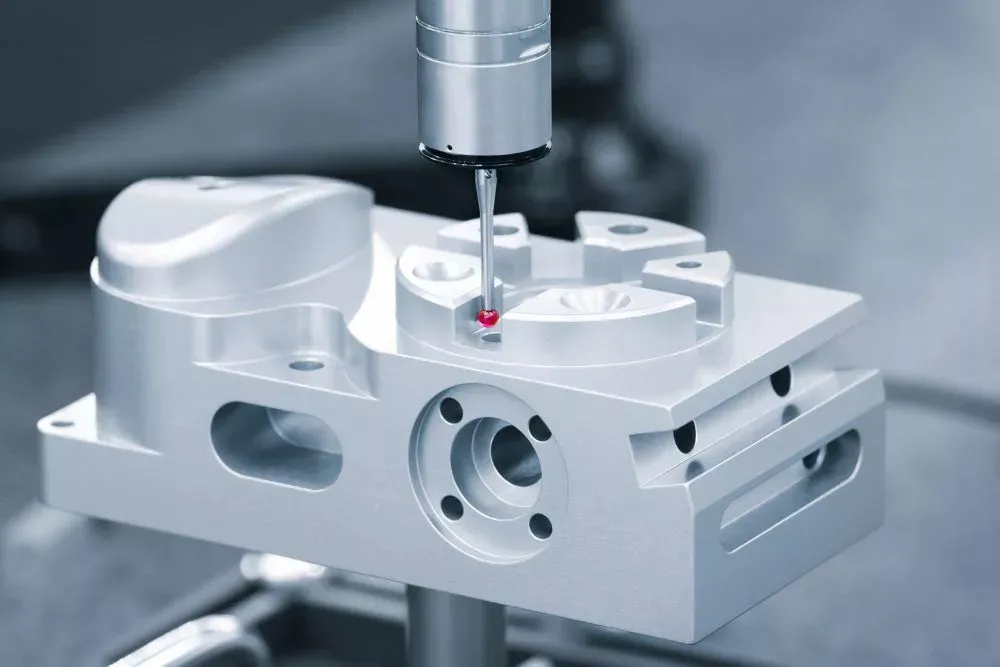
First Article Inspection (FAI) verifies initial production runs against specifications. This step catches errors before full-scale manufacturing begins. Dimensional checks use CMM machines for high accuracy.
In-process monitoring tracks tool wear and machine stability. Automated systems alert operators to deviations in real-time. This proactive approach prevents defective batches from forming.
Final inspection includes surface defect checks and functional testing. Documentation provides traceability for regulatory compliance and audits.
We maintain detailed records for every project. This transparency builds trust with long-term partners.
Applications Across Industries
Metal machining serves diverse sectors requiring precision components. Each industry has unique standards and performance expectations.
Automotive manufacturers rely on durable parts for engines and transmissions. These components must withstand extreme temperatures and vibrations. Consistency is vital for safety and reliability.
Aerospace demands ultra-high precision and lightweight materials. Parts often undergo strict certification processes. Every micron matters in flight-critical applications.
Medical devices require biocompatible materials and sterile finishes. Complex geometries enable intricate surgical instruments. Cleanroom environments support these sensitive productions.
YPMFG supports various sectors with tailored solutions. We adapt our processes to meet specific industry regulations.
Common Mistakes in Design for Machinability
Poor design choices can complicate manufacturing and increase costs. Avoiding common pitfalls streamlines the production process.
Sharp internal corners are difficult to machine effectively. End mills have circular profiles, leaving small uncut areas. Adding fillets allows tools to cut smoothly and completely.
Thin walls may vibrate or deform during cutting. This instability affects dimensional accuracy and surface finish. Increasing wall thickness or adding ribs improves rigidity.
Deep cavities limit tool access and chip evacuation. Shorter tools break more easily under lateral forces. Designing accessible features reduces tooling complexity.
Consulting with engineers early prevents these issues. Early feedback saves time and resources during prototyping.
How to Choose the Right Service Provider
Selecting a partner involves evaluating technical capability and responsiveness. Not all shops offer the same level of expertise or equipment.
Verify their experience with your specific material and tolerance needs. Ask for examples of similar projects they have completed. Technical competence ensures they understand your challenges.
Assess their communication and support structures. Clear updates and quick responses reduce uncertainty. A good partner acts as an extension of your team.
Review their quality management systems and certifications. ISO standards indicate organized processes and consistent outputs. Reliable documentation supports your own compliance requirements.
YPMFG prioritizes clear communication and technical support. We guide you through every step of production.
Practical Questions Before Choosing CNC Services
Buyers often have specific concerns before committing to a machine shop. Addressing these questions clarifies expectations and capabilities.
What is the typical lead time for prototypes?
Lead times vary based on complexity and material availability. Standard prototypes often ship within 5-10 business days. Accelerated options may be available for urgent needs.
Can you handle both milling and turning in one facility?
Yes, integrated facilities streamline production and reduce handling. Single-source providers ensure consistency across all processes. This approach simplifies logistics and quality control.
Do you provide post-processing services like anodizing?
Many shops offer finishing services or partner with specialists. Coordinating these steps internally saves time and effort. Confirm available treatments during the quoting phase.
How do you ensure quality for small batch orders?
Small batches still undergo full inspection protocols. Quality checks remain consistent regardless of volume. This commitment ensures every part meets specifications.
Making a Better Long-Term Decision
Investing in the right cnc milling turning metal services yields significant operational benefits. Precision parts reduce assembly issues and improve product longevity.
Partnering with a knowledgeable supplier mitigates manufacturing risks. Their expertise helps optimize designs for better manufacturability. This collaboration lowers costs and accelerates time-to-market.
YPMFG offers comprehensive support from engineering evaluation to delivery. We help you navigate the complexities of metal machining. Contact us to discuss your project requirements today.
Send your specifications for a detailed quote and engineering review. Let us assist you in achieving your manufacturing goals efficiently.