Quick answer:
A 5 axis cnc milling machine enables complex part production in a single setup by moving the tool or workpiece along five simultaneous axes. This capability significantly reduces handling errors and improves geometric precision for intricate designs. While the initial investment is higher than 3-axis systems, the reduction in lead times and improved surface quality often delivers a better overall return on investment for high-mix manufacturing environments.
Purchasing decision-makers often face uncertainty when evaluating multi-axis capabilities. The core challenge lies in balancing advanced kinematic structures with budget constraints and specific tolerance requirements. YPMFG provides technical support to help engineers determine whether a trunnion-style or head-head configuration suits their specific workload. Understanding these mechanical differences is essential for avoiding costly production bottlenecks later in the manufacturing cycle.
Core Advantages of 5-Axis Processing
The primary benefit of using five-axis machining centers is the ability to access multiple sides of a workpiece without manual repositioning. This continuous movement allows the cutting tool to maintain an optimal angle relative to the material surface. Consequently, operators achieve superior surface finishes and tighter tolerances compared to traditional methods.
Reducing setup steps directly impacts production speed and accuracy. Each time a part is moved between fixtures, there is a risk of alignment error. By eliminating these intermediate steps, manufacturers minimize cumulative inaccuracies. This is particularly critical for aerospace components and medical implants where precision is non-negotiable.
Complex geometries become easier to machine with shorter tools. In three-axis setups, deep pockets often require long, slender end mills that vibrate excessively. Five-axis machines allow the tool to tilt, enabling the use of stiffer, shorter cutters. This results in faster material removal rates and extended tool life.
Key Configuration Types Explained
Selecting the right machine structure depends heavily on your part volume and complexity. The two most common configurations are table-table and head-head systems. Each type offers distinct advantages regarding weight capacity, travel range, and rigidity.
Table-Table Machines
These units rotate the workpiece around the A and C axes. They are ideal for smaller, heavier parts because the table carries the load. This design often provides higher rigidity during heavy cuts. However, the working envelope is limited by the table size.
Head-Head Machines
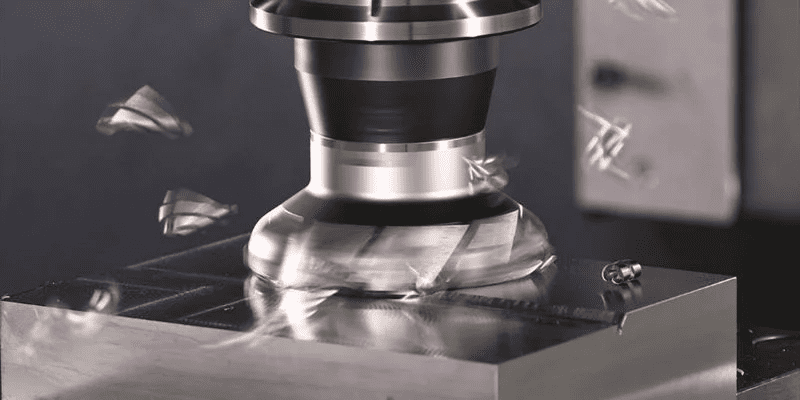
In this configuration, both the spindle head and the table rotate. This allows for a larger working area and better chip evacuation. It is well-suited for medium-sized parts requiring complex contours. The tilting head can also reduce tool interference in deep cavities.
Critical Selection Criteria for Buyers
When evaluating potential suppliers,focus on technical specifications rather than just marketing claims. Several factors directly influence the machine’s performance and longevity. YPMFG recommends verifying the following parameters before committing to a purchase.
Verify the controller’s ability to handle tilted tool path programming. Advanced software features like collision avoidance and automatic lever compensation are essential for safe operation. Without these safeguards, operator error can lead to significant machine damage.
Hidden Costs and Maintenance Needs
Initial purchase price is only one component of the total cost of ownership. Maintenance contracts, specialized tooling, and operator training add substantial expenses over the machine’s lifespan. Many buyers overlook the need for regular calibration services.
Regular preventive maintenance ensures sustained accuracy. Check linear guides and ball screws for wear every six months. Lubrication systems must be monitored to prevent premature failure of moving components. Neglecting these tasks often leads to unplanned downtime and costly repairs.
Operator skill levels significantly impact productivity. Training staff on multi-axis kinematics requires dedicated time and resources. Consider whether your team needs formal certification programs. YPMFG offers engineering assessments to help identify skill gaps in your current workflow.
Common Applications Across Industries
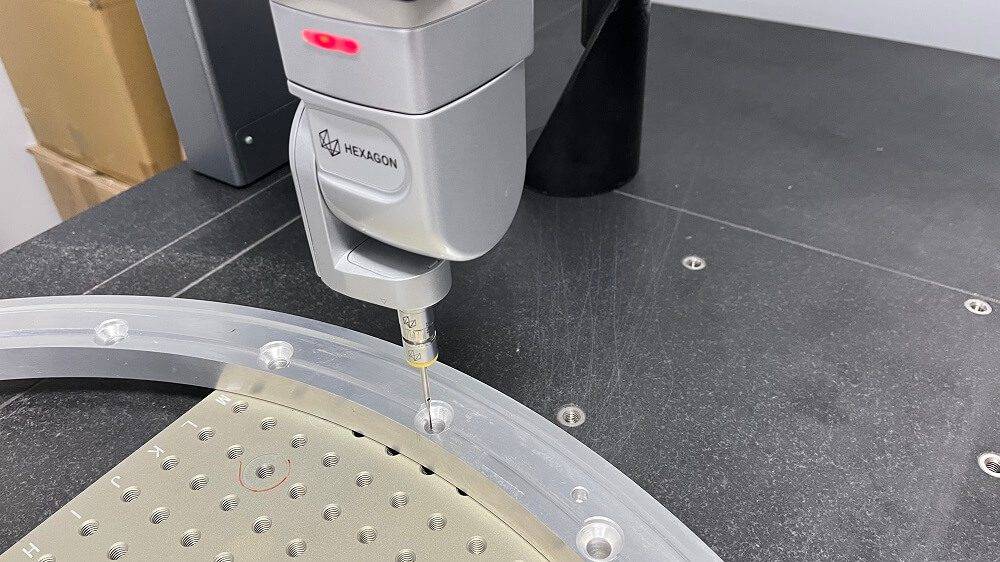
Five-axis technology serves diverse sectors requiring high precision and complex shapes. The versatility of the machine makes it suitable for various material types, including aluminum, titanium, and stainless steel.
Aerospace Components
Airframe structures and engine parts often feature organic curves. These shapes are difficult to produce with linear movements. Five-axis milling allows for precise contouring of turbine blades and structural ribs.
Medical Implants
Prosthetics and surgical tools demand biocompatible materials and strict tolerances. The ability to machine complex surfaces in one setup ensures consistency. This reduces the risk of contamination from multiple handling steps.
Automotive Prototypes
Rapid prototyping benefits from reduced setup times. Engineers can iterate designs quickly without re-fixturing parts. This accelerates the development cycle for new vehicle components.
Practical Questions Before Choosing
Buyers frequently ask about the feasibility and support available for new implementations. Here are answers to the most common concerns regarding acquisition and usage.
Is 5-axis machining worth the extra cost?
It depends on part complexity. For simple geometric shapes, 3-axis may suffice. However, for intricate designs, the time savings and quality improvements justify the higher initial investment.
What software do I need to program these machines?
You require CAM software with multi-axis simulation capabilities. Popular options include Mastercam, Siemens NX, and HyperMill. Ensure your software supports post-processing for your specific machine controller.
Can I run this machine with existing 3-axis programmers?
Transitioning requires additional training. Operators must understand rotary axis compensation and collision risks. YPMFG provides guidance on staffing and training requirements for smooth integration.
How does maintenance differ from 3-axis equipment?
Rotary axes require more frequent lubrication and alignment checks. Ball screws in rotary tables wear faster due to complex loads. Regular preventive maintenance is crucial to avoid expensive repairs.
Choosing the Right Solution for Your Needs
Investing in advanced machining capabilities requires careful planning and technical evaluation. The right machine should align with your specific production goals and part geometries. Avoid making decisions based solely on price or brand reputation.
Focus on long-term value rather than short-term savings. Consider how the machine will integrate into your existing workflow. Evaluate the support provided by the manufacturer, including engineering assistance and spare parts availability.
If you are ready to explore custom CNC machining solutions, reach out to our engineering team. Send your specifications to YPMFG for a detailed technical review. We can help you compare options and select the most efficient configuration for your project.