
Quick answer:
CNC Metallbearbeitung refers to the computer-controlled machining of metal parts, used across industries like automotive, aerospace, medical devices, and industrial equipment. It includes processes such as milling, turning, drilling, and grinding, all guided by digital design files. The key advantage is high precision, repeatability, and the ability to produce complex geometries that manual machining cannot achieve. However, the cost, lead time, and final quality depend heavily on material selection, machine capability, and the supplier’s quality system. For buyers, understanding CNC Metallbearbeitung helps avoid costly errors in tolerances, surface finish, and material compatibility.
If you are sourcing metal components for a new product or replacing an existing part, the challenge is not just finding a shop that can cut metal. The real question is whether the supplier can hold your required tolerances, work with your specified material, deliver on time, and provide documentation for compliance. Many buyers discover only after receiving a quote or prototype that the process, finish, or material behavior does not match expectations. This article explains what CNC Metallbearbeitung covers, how to assess a supplier for your specific needs, and what factors influence cost, quality, and delivery.
What CNC Metallbearbeitung Includes
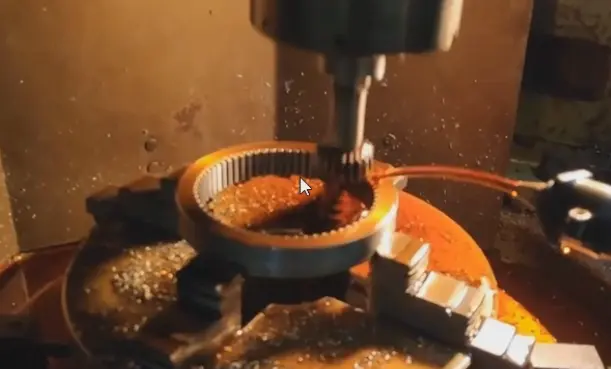
CNC Metallbearbeitung encompasses several subtractive manufacturing processes. The most common are CNC milling, CNC turning, and CNC drilling. Milling uses rotating cutting tools to remove material from a stationary workpiece, ideal for complex shapes and flat surfaces. Turning rotates the workpiece against a stationary cutting tool, best for cylindrical parts.
Other processes include CNC grinding, EDM, and laser cutting, each suited to specific material hardness or surface finish requirements. For most buyers, the primary concern is whether the supplier has the right equipment for your part geometry, material, and volume.
Materials Commonly Used in CNC Metallbearbeitung
The most common materials include aluminum, steel, stainless steel, brass, copper, titanium, and various engineering plastics. Each material behaves differently under cutting: aluminum machines quickly and is cost-effective, while titanium requires slower speeds and specialized tooling.
Material choice directly affects machining cost, lead time, and part performance. For example, selecting a hardened steel for a part that only needs moderate strength adds unnecessary cost and tool wear. A good CNC shop can help you evaluate whether a more machinable material meets your functional requirements.
Key Factors That Influence CNC Machining Cost
Several variables determine the final price of a CNC machined part. The most significant include material cost, machine time, setup time, tooling wear, tolerance requirements, and surface finish.
A part with tight tolerances on every dimension costs significantly more than one with only a few critical features. YPMFG often advises buyers to review their drawings and only specify tight tolerances where function requires them.
How to Choose a CNC Supplier for Metallbearbeitung
Selecting the right partner goes beyond comparing hourly rates. The most critical criteria include machine capability, quality certifications, material sourcing, communication, and lead time reliability.
Machine capability – Does the supplier have multi-axis machines for complex parts? Are they equipped to handle your material?
Quality system – Look for ISO 9001 or similar certification. Ask about inspection equipment and reporting.
Material sourcing – Can they source certified materials with traceability?
Communication – Do they provide DFM feedback? Can they suggest design improvements?
Lead time – What is their typical turnaround? Do they offer rush service?
A supplier that only offers standard machining may not be suitable for applications requiring tight tolerances or special finishes. YPMFG supports projects that require engineering review, material certification, and documentation for compliance-driven industries.
Common Mistakes When Ordering CNC Metal Parts
Many first-time buyers assume that any CNC shop can produce any part correctly. This leads to common errors:
Not specifying critical tolerances clearly on the drawing
Choosing a material without checking machinability
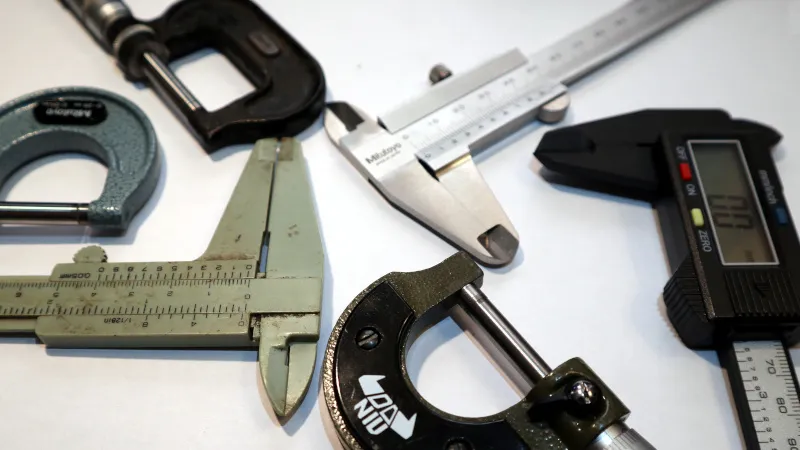
Ignoring surface finish requirements until after production
Overlooking burr removal or edge break specifications
Forgetting to request inspection reports for quality verification
Each of these mistakes can cause delays, rework, or part failure. A brief engineering review before production can catch most issues.
Questions Buyers Often Ask About CNC Metallbearbeitung
What is the typical lead time for CNC metal parts?
Lead time usually ranges from 1 to 4 weeks, depending on part complexity, material availability, and current shop workload. Standard materials like aluminum and steel are faster, while specialty alloys or titanium may require longer sourcing.
How tight can CNC tolerances go?
Standard CNC machining holds ±0.1 mm easily. Precision shops can achieve ±0.025 mm or tighter depending on material and machine condition. Always specify tolerances only where needed to control cost.
Can CNC machining handle all metals?
Most metals are machinable, but hardness and ductility affect tool wear and cutting speed. Soft metals like aluminum and brass are fast to cut. Harder materials like tool steel or Inconel require more time and tooling.
What surface finishes are available?
Standard as-machined finish, bead blast, anodizing, powder coating, and plating are common. Each adds cost and lead time. The best choice depends on appearance, corrosion resistance, and wear requirements.
Do I need a 3D model or a drawing?
Both are helpful. A 3D model (STEP, IGES) captures geometry,while a 2D drawing defines tolerances, surface finish, and thread specifications. For complex parts, both are recommended.
How do I know if my design is machinable?
A DFM review from a CNC shop identifies issues like deep cavities, sharp internal corners, thin walls, or tight tolerances that are difficult or expensive to machine. Sending your design for review upfront avoids costly changes later.
What is the minimum order quantity for CNC parts?
Many CNC shops accept quantities as low as one piece. However, per-unit cost is higher for low volumes. For production runs, larger quantities reduce setup cost per part.
How do I get a reliable quote?
Provide a complete drawing or model with material, tolerance, surface finish, and quantity. The more detail you give, the more accurate the quote. YPMFG reviews each submission and can suggest cost-saving changes where applicable.
Making the Right Choice for CNC Metallbearbeitung
Selecting the right CNC partner for metal parts is a decision that affects your product’s cost, quality, and delivery schedule. The best approach is to start with clear specifications, review your design for manufacturability, and choose a supplier with the right equipment and quality system for your industry.
If you are evaluating a new supplier or preparing a new part for production, you can send your specifications to YPMFG for an engineering review and quote. Their team can help you compare material options, review tolerances, and identify potential cost savings before any tool touches metal.