Quick answer:
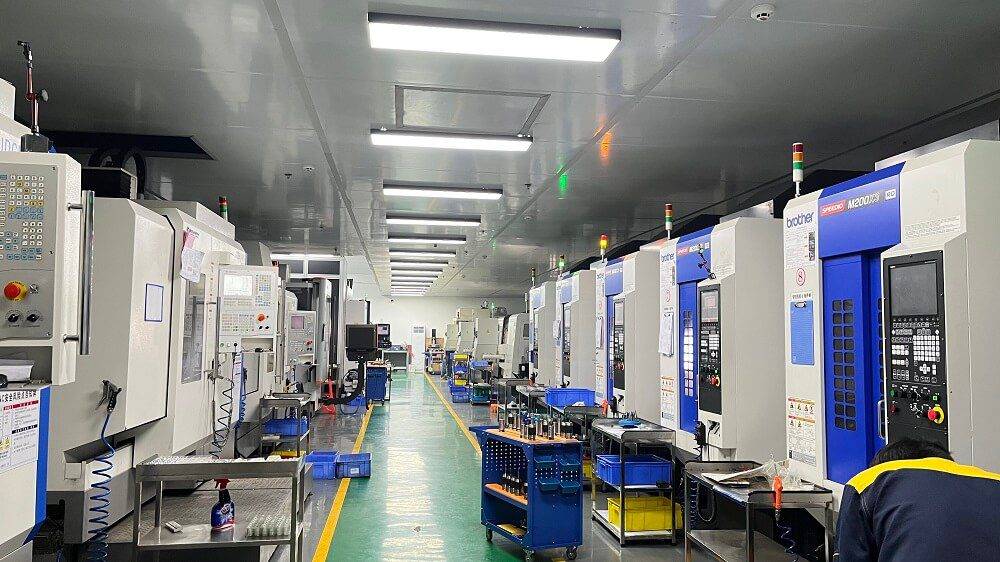
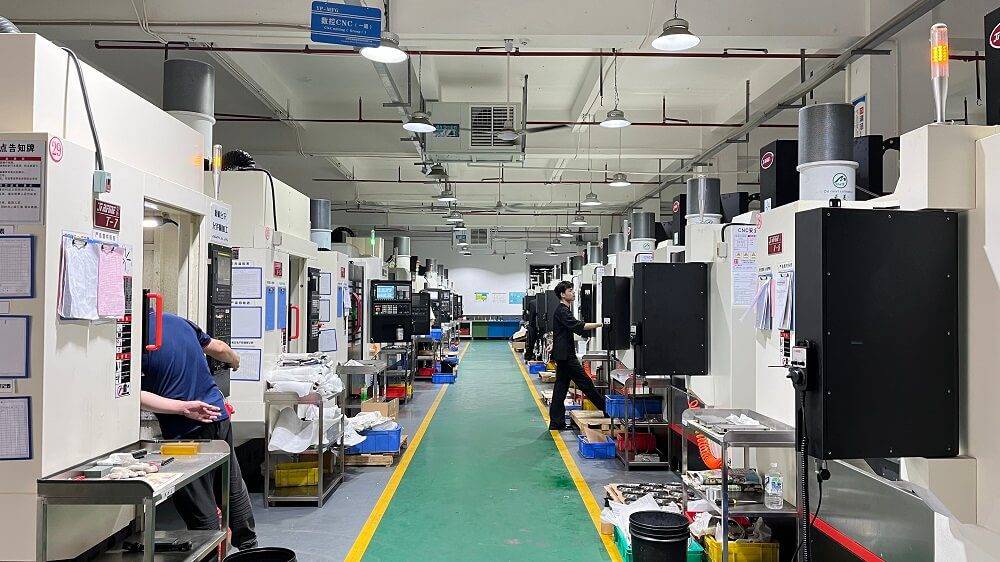
An aluminum case keyboard is a mechanical keyboard whose outer housing is made from machined aluminum rather than plastic. These cases are preferred for their rigidity, weight, and acoustic properties. The quality of an aluminum case depends heavily on the manufacturing process — specifically CNC machining — which determines fit, surface finish, and structural consistency. A poorly machined case can lead to alignment issues, uneven anodizing, or compromised switch plate compatibility.
CNC-machined aluminum keyboard cases offer better durability and a more premium typing feel than cast or extruded alternatives. For buyers building custom keyboards, the case is not just cosmetic — it directly affects typing sound, stability, and long-term performance.
Why the Case Material Matters More Than You Think
Most entry-level mechanical keyboards use injection-molded plastic cases. They are lightweight and inexpensive, but they can flex, produce hollow sound,and show wear over time. An aluminum case keyboard addresses these issues by providing a rigid frame that absorbs vibration and reduces resonance.
However, not all aluminum cases perform the same way. The difference lies in how the aluminum is shaped and finished. Extruded aluminum cases are cheaper but often have looser tolerances. Cast aluminum cases can have porosity issues. CNC-machined aluminum cases, cut from a solid billet, offer the highest precision and consistency.
If you are investing in a custom keyboard build, the case is the foundation. A well-machined case ensures that every other component — PCB, plate, stabilizers — fits correctly. Misalignment can cause keycap wobble, switch binding, or uneven gaps between key rows.
How CNC Machining Affects Your Keyboard Case
Precision Tolerances and Fit
CNC machining allows manufacturers to hold tight tolerances — typically within ±0.05 mm or better. This ensures that screw holes, USB cutouts, and switch plate recesses align exactly. For keyboard builders, this means no filing, sanding, or forcing parts into place.
Surface Finish and Texture
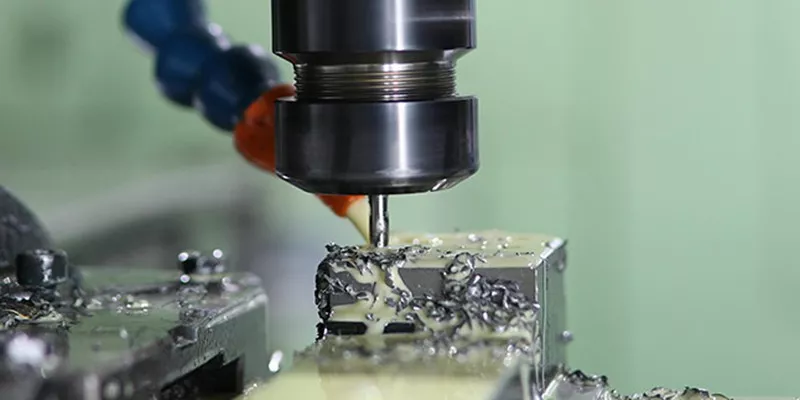
The surface of an aluminum keyboard case can be left brushed, bead-blasted, or polished before anodizing. CNC machining produces a uniform surface that accepts anodizing evenly. An uneven finish leads to color variation or bare spots.
Weight and Structural Rigidity
A solid aluminum case adds significant weight — typically 800 to 1500 grams depending on layout. This weight prevents the keyboard from sliding during use and reduces case resonance. CNC machining can remove material from the bottom or sides to reduce weight while keeping structural strength.
Thermal and Acoustic Properties
Aluminum dissipates heat faster than plastic, though this matters more for internal components like controllers. Acoustically, an aluminum case produces a lower, more consistent sound profile compared to plastic cases, which tend to sound hollow or clicky.
Cast vs. Extruded vs. CNC Machined: A Comparison
For custom or small-batch production, CNC machining is the most reliable choice. Extrusion requires large minimum quantities, and casting involves expensive mold tooling. YPMFG specializes in CNC-machined aluminum keyboard cases for both prototyping and production runs, offering tight tolerances and multiple surface finish options.
Key Considerations When Ordering an Aluminum Case
Case Layout Compatibility
Ensure the case matches your PCB form factor — 60%, 65%, 75%, TKL, or full-size. Even within the same layout, screw hole positions can vary between manufacturers. Provide a PCB drawing or a known reference file when requesting a quote.
Switch Plate Support
Some cases include an integrated plate, while others require a separate plate. Confirm whether the case supports standard ANSI or ISO layouts, and whether it accommodates hot-swap sockets.
USB Port Cutout
The USB port location must align with your PCB. Common positions include top-left, top-center, and left-side. A misaligned cutout can prevent the cable from seating fully.
Anodizing Color and Finish
Anodizing is not paint — it is an electrochemical process that adds a hard, wear-resistant layer. Colors can vary slightly between batches. If color matching is critical, request a sample or specify a Pantone reference.
Weight and Portability
An aluminum case adds significant weight. If you travel with your keyboard, consider a case with a hollow bottom or weight-relief pockets. This reduces weight without sacrificing rigidity.
Common Questions About Aluminum Keyboard Cases
Is an aluminum case worth the extra cost over plastic?
Yes, if you value rigidity, typing feel, and long-term durability. Aluminum cases do not warp, crack, or yellow over time. They also improve the acoustic profile of the keyboard. The cost difference is primarily due to machining time and material, not markup.
Can I use an aluminum case with any PCB?
Not automatically. The case must match the PCB mounting hole pattern, layout, and USB position. Always verify compatibility before ordering. Some vendors provide a list of compatible PCBs for each case model.
Does an aluminum case affect typing sound?
Yes. Aluminum cases generally produce a lower, more solid sound compared to plastic cases, which can sound hollow. The plate material and switch type also affect the overall sound. A well-machined case reduces unwanted resonance.
How long does it take to machine an aluminum keyboard case?
Typical lead time for a CNC-machined case is 2 to 4 weeks, depending on complexity, quantity, and finishing requirements. Prototype runs are usually faster than full production orders. YPMFG can provide estimated timelines based on your design file.
What surface finish options are available for aluminum cases?
Common finishes include brushed, bead-blasted, and polished. Brushed finish shows fine linear grain. Bead-blasted gives a matte, uniform surface. Polished has a mirror-like look but shows fingerprints more easily. Anodizing adds color and wear resistance.
Can I get a custom logo engraved on the case?
Yes. CNC engraving or laser engraving can add logos, text, or decorative patterns to the case. Ensure the engraving depth and position are specified in your design file to avoid interference with internal components.
Choosing the Right Aluminum Case for Your Project
The case is the most visible and tactile part of your keyboard. A poorly made case can degrade the entire typing experience, while a well-machined aluminum case enhances sound, stability, and longevity. For custom builders, small-batch makers, and brands entering the mechanical keyboard market, the choice of manufacturing partner directly affects product quality.
When evaluating a case supplier, review their tolerance capabilities, surface finish options, and experience with keyboard-specific geometry. A partner like YPMFG can work with your design files to produce aluminum case keyboard enclosures that meet your exact specifications. You can send your CAD file or dimension sheet for an engineering review and a no-obligation quote.