
Quick answer:
Aluminum machining refers to the process of cutting, shaping, and finishing aluminum parts using CNC equipment. It is widely used across industries because aluminum offers a strong strength-to-weight ratio, good corrosion resistance, and excellent machinability. However, not all aluminum alloys machine the same way, and selecting the wrong grade or ignoring key design factors can lead to part failure, higher costs, or production delays.
If you are sourcing aluminum machined parts for a production run or a prototype, understanding the material grades, achievable tolerances, and surface finishes is essential to getting a reliable result.
What Is Aluminum Machining?
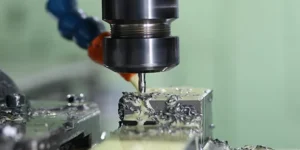
Aluminum machining is the process of removing material from an aluminum workpiece to create a precise part or component. This is typically done using CNC milling, turning, or drilling equipment. Because aluminum is softer than steel, it can be machined at higher speeds, which often reduces cycle times.
That said, aluminum can also present challenges. Its softness means it can deform under clamping pressure, and its tendency to generate built-up edge during cutting requires careful tool selection and coolant use.
For buyers, the key takeaway is this: aluminum machining is not a one-size-fits-all process. The alloy, toolpath, and machine setup all affect the final part quality.
Common Aluminum Alloys for CNC Machining
Not every aluminum alloy is suitable for machining. The table below summarizes the most commonly used grades in CNC shops.
6061 aluminum is the most common choice for general CNC machining because it balances cost, strength, and machinability. 7075 aluminum is preferred when higher strength is needed, but it machines less easily and costs more.
Choose your alloy based on the mechanical demands of your application, not just price. YPMFG can help buyers evaluate which alloy best fits their load, environment, and tolerance requirements.
Key Design Considerations for Aluminum Machined Parts
Designing parts for aluminum machining requires attention to a few specific factors.
Wall Thickness
Aluminum is softer than steel, so thin walls can vibrate during cutting. A general rule is to keep wall thickness above 0.030 inches (0.76 mm) for small parts and above 0.060 inches (1.5 mm) for larger ones.
Corner Radii
Sharp internal corners cannot be machined with standard end mills. Design internal corners with a radius of at least 0.020 inches (0.5 mm) to avoid needing a secondary operation.
Thread Depth
Threads in aluminum strip more easily than in steel. For applications that require frequent assembly and disassembly, consider using helicoil inserts or specifying deeper thread engagement.
Tolerance Expectations
Standard CNC machining can hold tolerances of ±0.005 inches (0.13 mm). For tighter tolerances, expect longer cycle times and higher costs. Always specify which features require tight tolerances and which do not.
Typical Applications of Machined Aluminum Parts
Aluminum machined components appear in nearly every industry that values light weight and durability.
Aerospace: brackets, housings, structural ribs
Automotive: engine components, heat sinks, custom brackets
Electronics: enclosures, heat sinks, mounting plates
Medical devices: instrument housings, surgical tool components
Industrial equipment: manifolds, covers, valve bodies
In each case, the choice of alloy, surface finish, and tolerance directly impacts the part’s performance and lifespan. Sending your part specifications to a qualified machine shop like YPMFG allows you to confirm that your design is production-ready before committing to tooling.
Surface Finish Options for Aluminum Parts
After machining, aluminum parts often require a surface treatment to improve appearance or corrosion resistance.
Anodizing is the most common post-machining finish for aluminum. It creates a hard, protective oxide layer that also accepts dye. If your part will be exposed to moisture or chemicals, specify an anodized finish in your engineering documentation.
Cost Factors in Aluminum Machining
Understanding what drives cost helps you make better design decisions before quoting.
Material selection: 7075 costs more than 6061 per pound
Complexity: More features, undercuts, and tight tolerances increase machining time
Quantity: Setup costs are spread across larger runs
Surface finish: Additional finishing steps add cost per part
Lead time: Faster delivery often requires overtime or expedited processing
To get an accurate estimate, provide a complete engineering drawing with tolerances, material grade, and finish requirements. YPMFG offers custom quotes based on your specific geometry and production volume.
Common Questions About Aluminum Machining
Can aluminum be machined as precisely as steel?
Yes. Aluminum can achieve the same tolerances as steel in most cases. The main difference is that aluminum requires sharper tooling and proper coolant to prevent built-up edge. With the right setup, ±0.001 inches is achievable.
What is the best aluminum alloy for machining?
6061 is the most versatile and cost-effective for general machining. If you need higher strength, 7075 is a better choice but costs more and machines slower. For corrosion resistance, 5052 or 6082 may be preferred.
Does aluminum need to be heat treated after machining?
Not always. Many aluminum alloys come in a pre-tempered condition, such as 6061-T6 or 7075-T6. Machining does not typically alter the temper unless high heat is generated. Post-machining heat treatment is rare and usually unnecessary.
How do I prevent aluminum parts from warping?
Thin-walled parts are most at risk. Use proper clamping, avoid aggressive material removal, and allow the part to cool between roughing and finishing passes. Stress-relieved material can also reduce warpage.
Is anodizing required for aluminum parts?
Not always, but it is recommended for parts exposed to moisture, chemicals, or frequent handling. Anodizing adds a hard, non-conductive layer that prevents oxidation and extends the part’s lifespan.
What is the typical lead time for aluminum CNC machining?
Lead times vary by complexity and quantity. Simple parts can ship in 1-2 weeks, while complex parts with tight tolerances or multiple operations may take 3-4 weeks. Rush service is often available at a premium.
Can I get a single prototype before a full production run?
Yes. Most machine shops will produce a small batch or single prototype first. This allows you to verify fit, function, and finish before committing to larger volumes.
What information do I need to provide for a quote?
You should supply a 3D model (STEP or IGES), a 2D drawing with tolerances and notes, the desired material grade, surface finish, and quantity. YPMFG reviews all submitted specifications and provides a quote with recommended adjustments if needed.
Choosing the Right Partner for Your Aluminum Parts
Aluminum machining offers a reliable way to produce lightweight, strong, and corrosion-resistant components across many industries. The key to a successful project is selecting the right alloy, designing with manufacturability in mind, and working with a shop that understands the material’s behavior.
YPMFG supports projects that require tight tolerances, custom alloys, and specific surface finishes. You can send your specifications to YPMFG for an engineering review and a competitive quote. Whether you need a single prototype or a full production run, having an experienced partner helps you avoid common machining pitfalls and get parts that perform as designed.
If you are evaluating your current supplier or starting a new project, request a quote and let the engineering team review your design before you commit to tooling.