
Quick answer:
Mini CNC machining refers to precision manufacturing using compact CNC machines designed for small-scale parts, prototyping, and low-volume production. These systems deliver the same tolerance control as full-sized equipment but with lower setup costs, faster lead times, and greater flexibility for tight geometries. Mini CNC machining is ideal for industries requiring rapid iteration, complex micro-components, or cost-effective small-batch runs.
If you are evaluating mini CNC machining for your next project, the real challenge is not whether it works—it is whether your supplier understands how to balance precision, material behavior, and production volume on smaller equipment. Many buyers assume smaller machines mean lower quality, but the opposite is often true when the process is properly engineered.
What Defines Mini CNC Machining
Mini CNC machining uses scaled-down CNC mills, lathes,or multi-axis machines with work envelopes typically under 500 mm in any axis. These machines are not simplified versions of larger equipment; they are designed for high-speed, high-precision work on smaller parts.
Key characteristics include:
Spindle speeds often exceeding 20,000 RPM for fine surface finishes
Tooling diameters under 6 mm for detailed feature work
Repeatable tolerances within ±0.005 mm depending on material and geometry
Rapid setup changeover for prototyping and short-run production
The main advantage is reduced material waste and lower tooling costs for parts that fit within the machine’s capacity. This makes mini CNC machining a practical choice for early-stage product development, medical device components, electronics housings, and custom mechanical assemblies.
When to Choose Mini CNC Machining Over Standard CNC
Not every part belongs on a mini CNC machine. The decision depends on part size, complexity, volume, and material requirements.
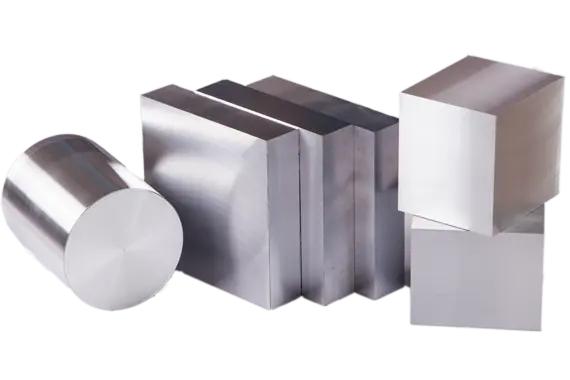
The conclusion is straightforward: if your part fits within the mini machine’s work envelope and you need quick turnaround with low setup investment, mini CNC machining is often the better choice. For larger parts or high-volume production, standard CNC remains the standard.
Materials Commonly Used in Mini CNC Machining
Mini CNC machines can process a wide range of engineering materials, though the small tool diameters require careful consideration of chip evacuation and heat management.
Common materials include:
Aluminum 6061 and 7075 – excellent machinability, good strength-to-weight ratio
Stainless steel 303 and 304 – corrosion-resistant, but requires slower feeds
Brass and copper – ideal for electrical connectors and decorative parts
Titanium Grade 5 – high strength, used in medical and aerospace prototypes
PEEK, Delrin, and Nylon – for wear-resistant plastic components
Acrylic and polycarbonate – transparent parts and light guides
Each material affects tool life, surface finish, and cycle time. A knowledgeable CNC machining service will adjust cutting parameters specifically for mini equipment to maintain tight tolerances without tool breakage.
Key Quality Considerations in Mini CNC Parts
Precision in mini CNC machining is not automatic. It depends on machine rigidity, tool runout, coolant delivery, and fixturing strategy.
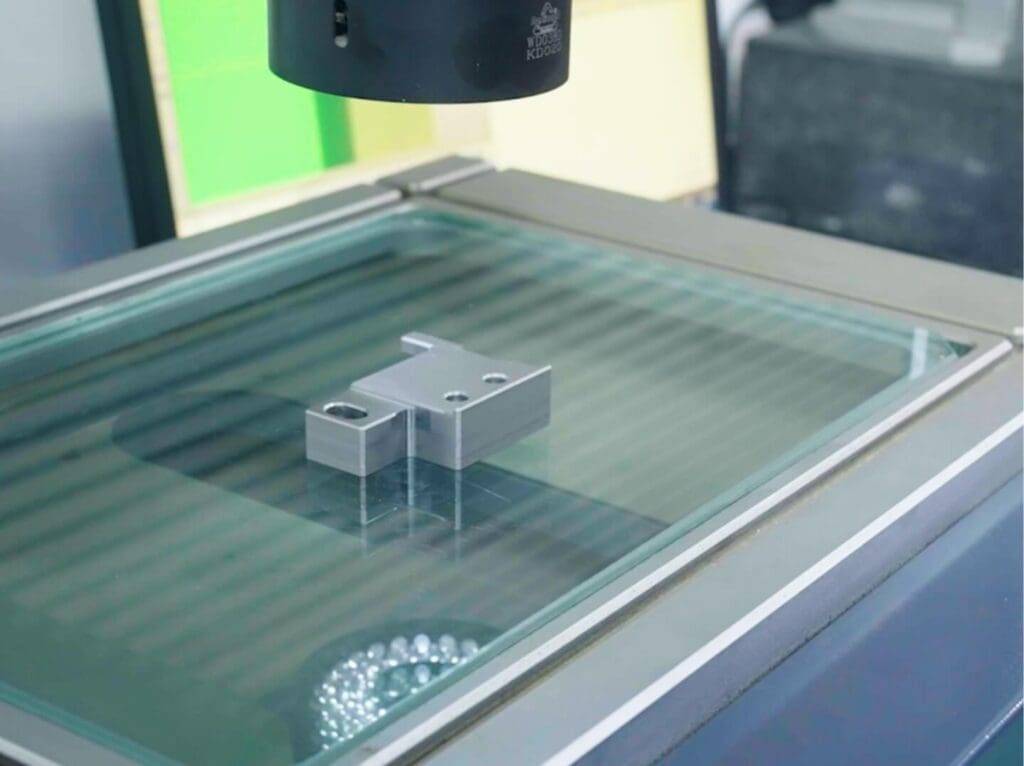
Important quality factors include:
Surface finish – typically achievable to Ra 0.4 µm with proper tool selection
Edge condition – deburring on micro-features requires specialized methods
Geometric tolerances – GD&T callouts such as true position, flatness, and parallelism must be verified with appropriate inspection equipment
Repeatability – critical when producing multiple identical parts for assembly
One common mistake is assuming mini machines cannot hold tight tolerances on harder materials. In reality, with proper toolpath programming and rigid workholding, mini CNC machining can achieve results comparable to larger equipment for parts within its size range.
Questions Buyers Often Ask About Mini CNC Machining
Can mini CNC machines handle complex geometries?
Yes. Modern mini CNC systems often support 3-axis, 4-axis, and even 5-axis configurations, allowing undercuts, angled features, and complex contours in a single setup.
What is the typical lead time for a mini CNC project?
For most custom parts, lead time ranges from 5 to 12 business days, depending on material availability, complexity, and finishing requirements. Rush options are often available.
Are mini CNC parts more expensive per unit than standard CNC?
Not necessarily. Because mini machines have lower operating costs and faster setups, per-unit pricing can be competitive for small batches, especially under 200 pieces.
Do I need to provide a 3D model for a quote?
Yes. A STEP or IGES file is preferred. Suppliers use it to evaluate tool access, material usage, and cycle time before providing an accurate quote.
Can mini CNC machining produce parts with threads?
Yes. Threads can be machined directly, or thread inserts can be installed for higher strength in softer materials like plastic or aluminum.
What surface finishes are available after mini CNC machining?
Options include as-machined, bead blast, anodizing, passivation, powder coating, and electropolishing. The best finish depends on material and application.
Is mini CNC machining suitable for medical devices?
Yes. Many medical components require small dimensions, tight tolerances, and biocompatible materials, all of which are well suited to mini CNC processes.
How do I compare quotes from different mini CNC suppliers?
Look beyond unit price. Evaluate tolerance capability, material sourcing, inspection methods, and communication responsiveness. A slightly higher quote may save significant rework costs.
Making the Right Choice for Your Mini CNC Project
Mini CNC machining offers a practical path to high-precision small parts without the overhead of full-scale production equipment. The key is working with a partner who understands the specific demands of micro-features, material behavior, and inspection standards.
At YPMFG, we help buyers evaluate whether mini CNC machining fits their part geometry, volume, and budget. We review your specifications, recommend material options, and provide engineering feedback before production begins. If you are unsure about tolerances, surface finish, or design-for-manufacturing, send your 3D model to YPMFG for a project assessment. We will confirm feasibility and give you a clear path to production.