Quick answer: Bicycle CNC turning parts are custom metal components manufactured through subtractive processes, typically used for high-performance frames, brake calipers, and drivetrain hardware. These parts offer superior precision and strength compared to cast alternatives, making them ideal for pro-level bicycles and specialized builds. The key is selecting a service provider that understands material properties like aluminum alloys and titanium, ensuring tight tolerances for safety critical joints.
For bicycle manufacturers and high-end frame builders, reliability is non-negotiable. A single failure in a cnc machining service parts component can lead to catastrophic accidents. Beyond basic geometry, buyers must consider surface finish,heat treatment compatibility, and material consistency. Standard casting often leaves porosity that weakens stress points. Machined parts eliminate this risk by starting from solid billet material. This ensures uniform grain structure throughout the component.
YPMFG specializes in CNC parts manufacturing services tailored for the cycling industry. We understand that every gram counts and every micron matters. Our engineers work closely with clients to optimize designs for manufacturability without compromising performance. This collaborative approach reduces prototyping cycles and lowers overall production costs.
Understanding CNC Turning vs. Milling for Bicycles
Many buyers confuse turning with milling, but both are essential in bicycle production. CNC turning creates rotational symmetrical parts like axles, handlebar stems, and seat posts. The workpiece rotates while a stationary cutting tool removes material. This process excels at producing long, cylindrical components with high accuracy.
CNC milling, on the other hand, uses rotating cutters to remove material from a stationary block. This method is better for complex shapes like brake levers, derailleur hangers, and crank arms. Most bicycle components require a combination of both operations. A complete assembly might include turned axles milled into flanged hubs.
Choosing the right machine depends on part geometry and volume. High-volume runs benefit from automated turning centers. Low-volume or highly customized parts often use multi-axis milling machines. Both methods allow for tight tolerances typically within ±0.01mm. This level of precision ensures seamless integration between components.
When evaluating suppliers, check their equipment capabilities. A facility with only lathes cannot produce complex brackets. Conversely, a mill-only shop may struggle with long shafts. Look for manufacturers offering comprehensive mechanical processing solutions. This ensures all parts meet consistent quality standards.
Critical Materials for Bicycle Components
Material selection dictates the weight, strength, and durability of your parts. Aluminum alloys, particularly 6061 and 7075, are the most common choices. 6061 offers excellent corrosion resistance and machinability. It is widely used for stems, seat clamps, and general hardware.
7075 aluminum provides higher strength-to-weight ratios. It is preferred for critical load-bearing parts like cranksets and rear derailleurs. However, it is slightly harder to machine than 6061. Titanium alloys like Ti-6Al-4V are used for premium frames and bolts. They offer exceptional strength and lightness but come at a higher cost.
Steel is rarely used for main structural parts due to weight. It remains popular for durable components like bottom bracket shells or axle nuts. Stainless steel resists rust, making it suitable for outdoor exposure. Each material requires specific cutting speeds and feed rates.
Incorrect material choice can lead to premature failure. Soft aluminum may deform under high loads. Hard steel may crack if not properly heat treated. YPMFG provides engineering evaluation services to recommend the best material. We analyze stress points and usage scenarios to guide your decision.
Precision Tolerances and Surface Finish Requirements
Bicycle components operate under dynamic loads and vibrations. Loose tolerances can cause noise, wear, and eventual breakage. Rotating parts like axles require precise diameters to fit bearings correctly. A deviation of even 0.02mm can affect bearing life significantly.
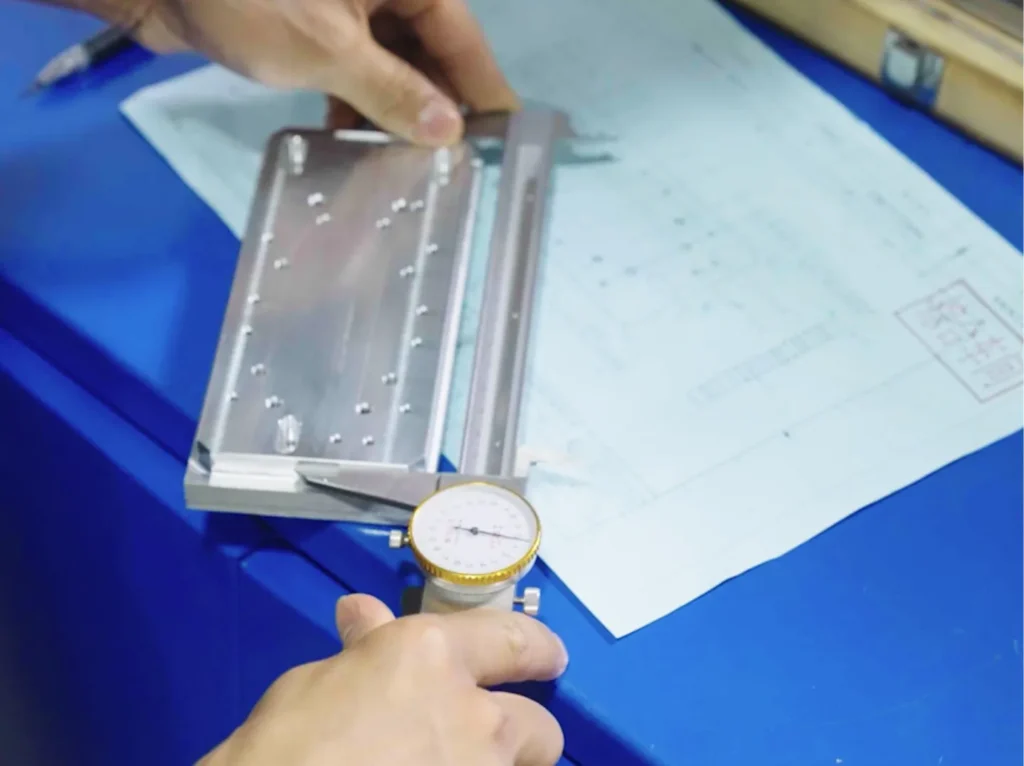
Threaded holes for bolts must match standard sizes exactly. Stripped threads are a common failure mode in mass-produced bikes. CNC machining allows for tight thread control and consistent pitch. This ensures reliable assembly and disassembly during maintenance.
Surface finish also plays a crucial role. Smooth surfaces reduce friction and improve fatigue resistance. Anodizing is a common post-processing step for aluminum parts. It adds color and enhances corrosion protection. Bead blasting provides a matte finish that hides minor scratches.
Ask your supplier about their finishing capabilities. Not all shops offer anodizing or coating services. Outsourcing these steps adds time and potential quality risks. Integrated manufacturing simplifies the supply chain. YPMFG handles machining and basic after-sales support coordination. This ensures accountability from start to finish.
Cost Factors in Custom Bicycle Parts
Price varies based on material, complexity, and quantity. Raw material costs for aerospace-grade aluminum fluctuate with the market. Complex geometries require more machining time and tool changes. Multi-axis parts take longer to program and produce.
Low-volume prototypes are more expensive per unit. High-volume production benefits from economies of scale. Tooling amortization becomes negligible at higher quantities. However, setting up CNC programs still incurs initial costs.
Hidden costs often include shipping and packaging. Fragile machined parts require careful handling. Rush orders typically carry premium fees. Plan your production schedule to avoid expedited charges.
Request detailed quotes from multiple suppliers. Compare unit prices alongside setup fees. Ensure the quote includes all necessary post-processing steps. Transparency in pricing helps in accurate budgeting. YPMFG offers custom solution development for various budgets. We balance performance requirements with cost constraints.
Common Mistakes in Designing for Manufacturability
Designers often overlook machining constraints. Sharp internal corners are impossible to create with round end mills. Always add fillets to internal edges to prevent stress concentration. This simplifies machining and improves part longevity.
Thin walls may vibrate during cutting, causing chatter marks. Increase wall thickness or add support structures where possible. Deep cavities require long tools that may deflect. Limit depth-to-diameter ratios for optimal results.
Threaded holes should have sufficient clearance for tool entry. Blind threads need extra depth to accommodate the tool tip. Specify thread standards clearly, such as ISO metric or UNC. Ambiguity leads to incorrect parts and delays.
Review your CAD models before sending them for quoting. Identify any features that are difficult or expensive to machine. Early design adjustments save significant time and money. YPMFG provides sample testing to validate designs. This proactive step prevents costly errors later.
Quality Control and Inspection Standards
Rigorous inspection ensures every part meets specifications. Coordinate Measuring Machines (CMM) verify critical dimensions. CMMs provide highly accurate 3D data for complex geometries. This is essential for aerodynamic components or bearing fits.

Visual inspection checks for surface defects like burrs or scratches. Burrs must be removed to prevent injury during assembly. Deburring is a standard final step in machining services. Ensure your supplier includes this in the process.
Material certification confirms the alloy composition. This is crucial for regulatory compliance and safety. Request mill certificates for bulk orders. Documentation adds traceability to your supply chain.
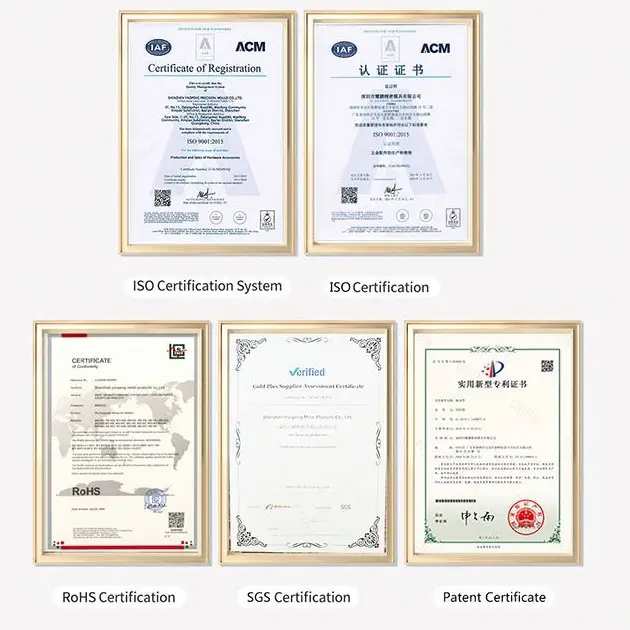
Choose a manufacturer with certified quality processes. ISO 9001 compliance indicates systematic quality management. Regular audits ensure consistent output. Trustworthy suppliers stand behind their products. YPMFG maintains strict quality assurance protocols. We guarantee precision in every batch.
Selecting the Right Machining Partner
Finding a reliable partner involves more than just price. Experience in the bicycle industry is a major advantage. Familiarity with cycling standards and usage patterns adds value. Suppliers who understand your market can offer design improvements.
Communication speed affects project timelines. Responsive teams resolve issues quickly and keep production on track. Clear documentation prevents misunderstandings. Share detailed drawings and specifications upfront.
Flexibility is key for prototype and small batch runs. Some manufacturers only accept large orders. Others specialize in low-volume, high-mix production. Align your supplier choice with your business model.
Long-term relationships yield better results. Consistent partners learn your preferences and requirements. They streamline processes for faster delivery. Evaluate potential suppliers based on technical expertise and service. YPMFG offers request a quote services for immediate assessment. Contact us to discuss your next project.
Common Questions About Bicycle CNC Parts
What is the typical lead time for custom parts?
Lead times vary by complexity and quantity. Simple turned parts may ship in 5-7 days. Complex milled assemblies often take 10-15 days. Rush options are available for urgent needs.
Do you offer design for manufacturability reviews?
Yes, our engineering team analyzes your designs. We identify potential machining issues early. This feedback helps optimize your parts for cost and performance.
Can you machine titanium and steel alloys?
Absolutely. We work with various metals including titanium and stainless steel. Material selection depends on your specific application requirements.
Is anodizing included in the machining service?
We offer anodizing as a post-processing option. It enhances durability and appearance for aluminum parts. Please specify your finish preference when ordering.
How do you ensure dimensional accuracy?
We use advanced CMM technology for inspection. All parts are verified against your engineering drawings. Tight tolerances are maintained throughout production.
Do you provide material certifications?
Yes, we supply mill certificates upon request. This verifies the chemical composition of the raw material. Certification is standard for professional orders.
What file formats do you accept for quotes?
We accept STEP, IGES, and STL files. PDF drawings with dimensions are also helpful. Clear specifications reduce quoting errors and delays.
Are prototypes supported for small businesses?
Yes, we specialize in low-volume and prototype runs. Flexible manufacturing allows for rapid iteration. This supports innovation for startups and independent designers.
Making a Better Long-Term Decision
Investing in high-quality bicycle cnc turning components pays off in reliability and performance. Poorly made parts lead to returns and brand damage. Partnering with an experienced manufacturer mitigates these risks.
Consider the total lifecycle cost, not just the unit price. Durable parts reduce warranty claims and maintenance efforts. Precision engineering enhances the riding experience for end-users.
YPMFG is ready to support your manufacturing needs. From initial consultation to final delivery, we ensure excellence. Send your specifications for a free engineering evaluation. Let us help you build better bicycles.