
Quick answer:
A robot CNC machine is a manufacturing cell that pairs a CNC machining center with an industrial robot for loading, unloading, or in-process part handling. It reduces manual labor, improves consistency, and allows unattended or lights-out production. This setup is most valuable for mid-to-high volume runs, repeatable part families, and shops facing labor shortages or quality variation. The robot does not replace the CNC machine; it feeds it, removes finished parts, and can handle secondary tasks such as deburring, inspection, or palletizing. Choosing the right robot CNC cell depends on part size, cycle time, payload, and how much flexibility you need across different jobs.
If you are evaluating automation for your machine shop, you have likely noticed that robot CNC machine cells are becoming a standard answer to rising labor costs and tight delivery deadlines. The challenge is not whether automation works; it is deciding which configuration fits your actual production mix. A robot tending a CNC lathe or mill is a significant investment, and the wrong match can mean idle robots or bottlenecked machines.
This guide explains what a robot CNC machine cell includes, how it operates, what it costs to run, and which technical specifications matter most when you compare systems. We focus on practical selection criteria, not generic automation advice.
Table of Contents
1. What Is a Robot CNC Machine Cell?
2. How Does a Robot CNC Machine Work?
3. Key Components of a Robot CNC Cell
4. Robot CNC Machine Types and Configurations
5. Materials and Part Compatibility
6. Cost Factors for Robot CNC Automation
7. How to Choose a Robot CNC Machine
8. Common Mistakes When Automating CNC Machines
9. Questions Buyers Often Ask About Robot CNC Machines
10. Choosing the Right Robot CNC Cell for Your Application
What Is a Robot CNC Machine Cell?
A robot CNC machine cell is an automated production unit that combines a CNC machining center with a robotic arm for part handling. The robot loads raw material into the machine, removes finished parts, and often places them on a pallet, conveyor, or inspection station. This removes the need for an operator to stand at the machine for every cycle.
The core value is not speed. A robot may not load parts faster than a skilled operator. The value comes from consistency, extended runtime, and the ability to run unattended during breaks, nights, or weekends. For many shops, this shifts the bottleneck from labor availability to spindle utilization.
The term “robot CNC machine” is sometimes used loosely. It can refer to a complete turnkey cell, a retrofitted robot arm on an existing machine, or a CNC machine with a built-in gantry loader. Understanding these differences helps you compare quotes and avoid paying for capability you do not need.
How Does a Robot CNC Machine Work?
A typical robot CNC machine cycle follows a straightforward sequence. The robot picks a blank from a storage rack, feeder, or tray. It loads the blank into the CNC machine’s chuck or vise. The machine door closes, and the machining cycle begins. While the machine cuts, the robot waits or performs a secondary task such as cleaning, deburring, or placing finished parts from the previous cycle.
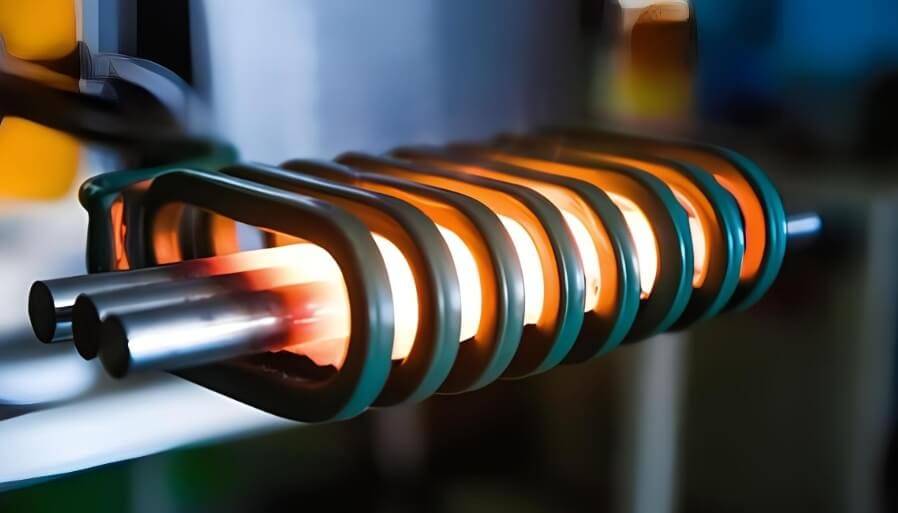
When machining is complete, the machine door opens. The robot removes the finished part, places it in an output area, and loads the next blank. The entire sequence repeats without human intervention until the raw material supply is empty or a quality check is required.
Modern cells use sensors, vision systems, and programmable logic controllers to coordinate the robot and the CNC machine. If a part is misaligned or a gripper fails, the system stops and alerts a supervisor rather than continuing to produce scrap. This level of automation is what makes unattended operation safe and reliable.
Key Components of a Robot CNC Cell
A complete robot CNC machine cell includes more than just the robot and the CNC machine. Each component affects uptime, flexibility, and total cost.
The robot itself is often the least expensive part of the cell. The storage system, tooling, and integration work typically cost more and take longer to deliver. Buyers should ask for a detailed breakdown of these components, not just a single package price.
Robot CNC Machine Types and Configurations
There is no single standard layout for a robot CNC machine cell. The right configuration depends on your parts, floor space, and production volume.
Articulated arm robots are the most common choice for CNC tending. They offer six axes of movement, which gives them the flexibility to handle complex part orientations and reach into machines with limited access. They are ideal for mixed part families where gripper changeovers are needed.
Gantry or linear robots move on a fixed overhead rail. They are faster for simple pick-and-place tasks and take up less floor space. However, they are less flexible when part geometry changes frequently.
Collaborative robots (cobots) are smaller, safer, and easier to program. They can work alongside operators without full fencing in some cases. They suit low-volume, high-mix shops, but they have lower payload and reach compared to industrial robots.
Turnkey cells come as a complete package with the robot, machine, guarding, and software pre-integrated by one supplier. This reduces integration risk but often limits your choice of CNC machine brand.
Retrofit systems add a robot to an existing CNC machine. This is more affordable if you already own a suitable machine, but integration complexity and downtime during setup can be higher.
Materials and Part Compatibility
The robot CNC machine cell must be matched to the parts you actually produce. Part weight, geometry, surface finish requirements, and batch size all influence the design of the end-of-arm tooling and the storage system.
Part weight is the first constraint. The robot’s payload rating must exceed the combined weight of the part and the gripper. A common mistake is choosing a robot that can lift the part but cannot handle the gripper, the sensor, or the pneumatic lines attached to it.
Part geometry affects gripper design. Round parts are easy to grip with three-jaw or collet-style grippers. Flat parts may require vacuum cups. Complex shapes may need custom fingers that match the part contour exactly. If you run multiple part numbers, you need a quick-change gripper system or a robot with automatic tool changing.
Surface finish requirements matter because handling can introduce scratches, oils, or contamination. Parts that require clean handling may need soft gripper pads, nitrile gloves, or a wash station between machining and inspection.
Batch size determines whether automation is worth the investment. As a general rule, robot CNC tending becomes economical when you have repeatable runs of the same or similar parts. For one-off prototypes, manual loading is often faster and more flexible.
Cost Factors for Robot CNC Automation
The cost of a robot CNC machine cell varies widely, and published prices rarely reflect your actual situation. Instead of relying on a single number, buyers should understand which factors drive the total investment.
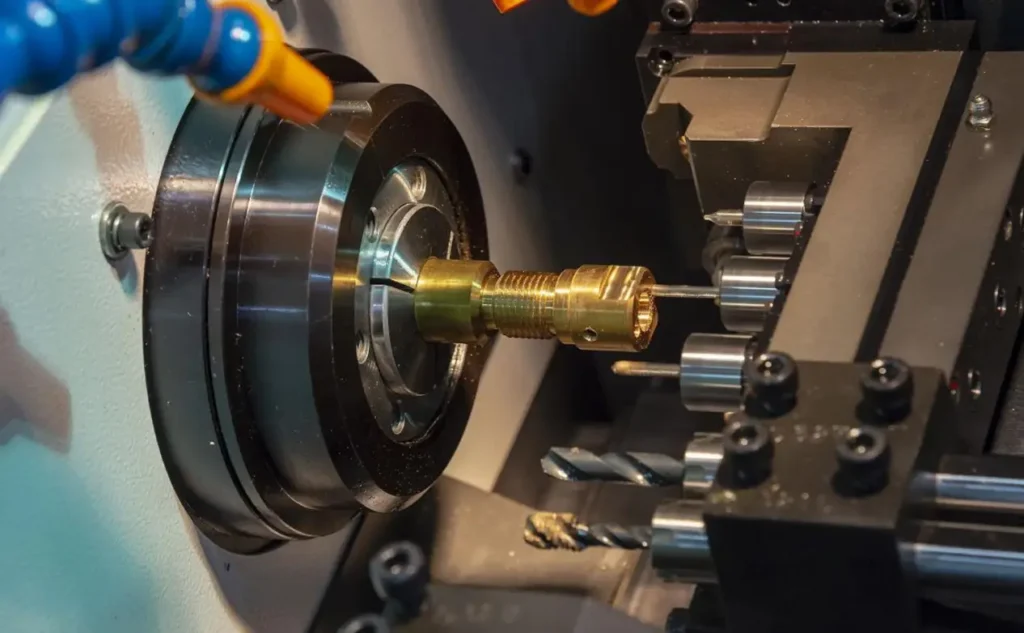
A common misunderstanding is that the robot is the main expense. In many projects, the gripper, the storage system, and the integration labor exceed the robot cost. Get itemized quotes from at least two integrators or suppliers before making a decision.
Ongoing costs matter too. Robots require periodic maintenance, replacement gripper fingers, and occasional reprogramming when part designs change. Factor these into your payback calculation, not just the initial purchase price.
How to Choose a Robot CNC Machine
Choosing a robot CNC machine is a structured decision. Work through the following criteria in order, and you will narrow the options quickly.
Start with your parts. List every part number you plan to run on the cell. Record weight, dimensions, material, cycle time, and annual quantity. This data determines robot payload, reach, gripper design, and storage capacity.
Define your run strategy. Are you running one part for weeks, or changing over daily? High-volume, low-mix production allows a simpler fixed gripper and tray system. High-mix, low-volume production requires quick-change tooling and more flexible programming.
Calculate your target cycle time. The robot must load and unload within the CNC machine’s cutting cycle. If the machining cycle is five minutes, even a slow robot works. If the cycle is 30 seconds, you need a high-speed robot and a well-designed part presentation system.
Check your floor space and layout. Articulated arm robots need clearance for their full range of motion. Gantry systems require overhead space. Measure your available area and compare it to the cell footprint from each supplier.
Verify integration capability. Ask whether the robot and the CNC machine use compatible communication protocols. Most modern systems use standard interfaces, but older machines may need additional hardware or custom programming.
Request a cycle time simulation. A reputable supplier should be able to simulate your part and cycle time before you commit. If they cannot, ask how they guarantee the system will meet your production target.
Compare total cost of ownership. Include the purchase price, installation, tooling, training, maintenance, and expected downtime. A slightly more expensive system with better support often pays for itself faster than a cheaper system with long service delays.
Common Mistakes When Automating CNC Machines
Many buyers make the same errors when planning a robot CNC machine cell. Avoiding these mistakes saves time, money, and frustration.
Choosing the robot before defining the parts. The robot is only one component. If you select it before understanding your part mix, you will likely end up with the wrong payload, reach, or gripper design.
Underestimating gripper complexity. Custom end-of-arm tooling is often the hardest part of the project. A gripper that works in a demo may fail in production when parts come with burrs, oil, or dimensional variation.
Ignoring chip and coolant management. CNC machining produces chips and coolant that can interfere with the robot, the gripper, and the storage system. The cell design must account for chip flow, wash-down, and maintenance access.
Assuming unattended operation is automatic. Lights-out production requires reliable part presentation, tool monitoring, and process control. If the machine breaks a tool or a part jams, the system must detect it and stop safely.
Skipping a payback analysis. Automation is a business decision. Calculate your labor savings, increased spindle utilization, and reduced scrap. If the payback period exceeds your planning horizon, the investment may not be justified.
Not planning for changeover. If you run multiple parts, the time to change grippers, trays, and programs affects your overall efficiency. A cell that takes four hours to change over may not be worth it for short runs.
Questions Buyers Often Ask About Robot CNC Machines
How much does a robot CNC machine cost?
A complete turnkey cell typically ranges from $100,000 to $300,000 or more, depending on robot size, CNC machine specifications, tooling, and integration complexity. A retrofit on an existing machine is often less expensive, but custom grippers and programming can add significant cost. Request itemized quotes to compare accurately.
Can a robot be added to my existing CNC machine?
In many cases, yes. Retrofitting requires the machine to have automatic door operation, compatible control signals, and enough clearance for the robot to reach the work zone. An integrator must assess your specific machine model and age. Older machines may need additional hardware or safety upgrades.
How long does it take to install and program a robot CNC cell?
A typical turnkey cell takes 8 to 16 weeks from order to production, depending on complexity. Retrofit projects may take less time but can be delayed by machine compatibility issues. Programming and commissioning usually take one to two weeks on site, plus operator training.
What is the payback period for a robot CNC machine?
Payback depends on labor rates, shift structure, part volume, and how much unattended running you can achieve. Many shops see payback in 12 to 24 months when running two or three shifts. Low-volume shops may take longer. Run your own calculation with your actual labor and production data.
Will a robot work with small batch sizes?
Yes, but the economics change. For small batches, the robot must be easy to reprogram and the gripper system must allow quick changeovers. Collaborative robots are often a better fit for high-mix, low-volume production. A fixed automation cell is better suited to repeatable, higher-volume runs.
What maintenance does a robot CNC machine require?
Robots require periodic lubrication, battery replacement for encoders, and inspection of cables and connectors. The gripper fingers wear and need replacement depending on part material and cycle count. Most suppliers recommend preventive maintenance every 6 to 12 months, depending on usage.
Can a robot handle parts that need deburring or inspection?
Yes. Many cells include secondary stations where the robot moves the part to a deburring tool, a gauging station, or a vision system before placing it in the output tray. This adds value beyond simple load and unload, but it increases the complexity and cost of the cell.
How does a robot CNC machine improve quality?
A robot loads parts in the same orientation every cycle, which reduces variation from manual handling. This can improve dimensional consistency and reduce scrap caused by misaligned parts. The robot also removes the risk of operator fatigue affecting part placement over long shifts.
Choosing the Right Robot CNC Cell for Your Application
The decision to invest in a robot CNC machine should start with your production data,not with a specific robot model. Define your part family, calculate your cycle time, and establish your payback target. Then compare configurations based on payload, reach, gripper flexibility, and integration risk.
YPMFG supports buyers who are evaluating robot CNC automation by providing engineering review of part specifications, feasibility assessments, and guidance on which machining and automation configuration fits the application. If you are unsure whether a robot cell is justified for your production volume, sending your part drawings and annual quantities for review is a practical first step.
Automation is not about replacing every operator. It is about running your spindles longer, reducing variation, and freeing skilled workers for tasks that require judgment. A well-matched robot CNC machine cell does exactly that, and the right partner helps you make that decision with confidence.
If you want to compare your current manual process against an automated alternative, send your part specifications and production volumes to YPMFG for an engineering assessment and a clear recommendation on the next step.