
Quick answer:
Fabrication parts are components produced through cutting, bending, welding, and assembling raw materials like metal sheets, plates, or tubes. Unlike CNC machined parts that are cut from solid blocks, fabrication parts are built from multiple pieces joined together. They are common in structural frames, enclosures, brackets, and heavy equipment housings. Choosing the right fabrication process and partner directly affects part strength, dimensional accuracy, lead time, and total project cost.
Many buyers assume all fabricated parts are the same. That assumption often leads to fit issues, weld failures, or unexpected rework. Understanding how fabrication parts are designed, specified, and produced helps procurement teams avoid these problems and get parts that work correctly the first time.
What Are Fabrication Parts?
Fabrication parts are components made by combining multiple raw material pieces through processes like laser cutting, punching, bending, welding, and assembly. These parts typically start as flat sheets or plates and are shaped into three-dimensional structures.
Unlike parts machined from a single solid bar or billet, fabrication parts involve joining separate sections. This makes them ideal for larger structures, enclosures, and frames where machining the entire part from one block would be impractical or too expensive.
Typical examples include machine frames, electrical enclosures, conveyor chutes, brackets, and guards. Many products require both fabricated and machined components within the same assembly, making it important to understand how each type performs.
Fabrication Parts vs. Machined Parts: What’s the Difference?
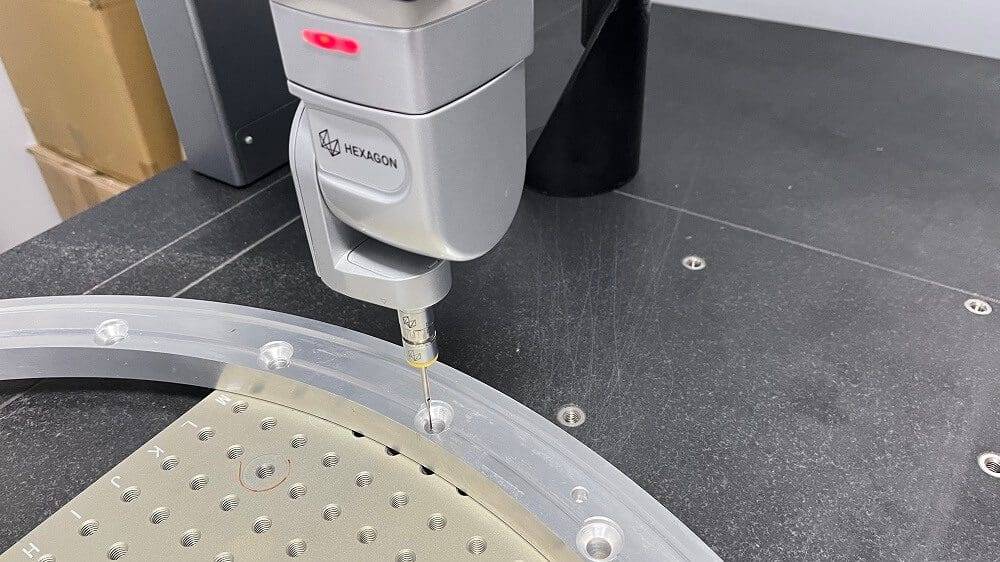
The table below summarizes the key differences between fabrication parts and CNC machined parts. Understanding these differences helps buyers choose the right manufacturing approach for each component.
The choice between fabrication and machining depends on part size, tolerance requirements, production volume, and budget. Many applications use a combination of both methods.
Common Types of Fabrication Parts
Fabrication parts cover a wide range of forms and functions. Below are the most common categories buyers encounter in industrial and commercial projects.
Brackets and Mounts – Simple L-shaped or U-shaped parts used to attach components to structures. Often require holes, slots, or threaded inserts.
Enclosures and Cabinets – Box-like structures that house electrical equipment, controls, or sensitive instruments. Need proper sealing, ventilation, and access panels.
Machine Frames and Bases – Structural assemblies that support heavy equipment. Must resist vibration, maintain alignment, and handle static and dynamic loads.
Guards and Safety Barriers – Protective panels around moving machinery. Usually made from perforated sheet metal or expanded mesh.
Chutes, Hoppers, and Tanks – Material handling components that guide or store bulk materials. Often require smooth internal surfaces and wear-resistant liners.
Structural Supports and Gussets – Reinforcement plates used at joints to distribute loads and prevent buckling.
Each type has specific design rules related to material thickness, weld placement, and access for assembly.
Materials Used in Fabrication Parts
Material selection directly influences part strength, weight, corrosion resistance, and cost. The table below lists common materials and their typical applications.
When selecting a material, consider the operating environment, required strength, weldability, and post-fabrication finishes like painting or powder coating.
Key Design Considerations for Fabrication Parts
Poor design choices are the most common reason fabrication parts fail in service or drive up costs. Attention to the following factors helps ensure a successful outcome.
Bend radius and wall thickness.
Tight bends in thick material can cause cracking or excessive tool wear. Design parts with a bend radius at least equal to the material thickness. For harder materials like stainless steel, a larger radius is recommended.
Weld joint placement.
Welds create local heat-affected zones that can distort thin sections. Place welds away from critical surfaces and allow for weld shrinkage. Specifying weld symbols and quality standards in the drawing helps the fabricator deliver consistent results.
Hole and slot spacing.
Holes placed too close to a bend line can deform during forming. Maintain a minimum distance of at least twice the material thickness from the edge of a hole to the bend line.
Tolerance expectations.
Fabrication processes cannot hold the same tolerances as machining. For standard fabrication parts, expect tolerances around ±1.0 mm. Tighter tolerances require secondary operations like machining or grinding, which add cost and lead time.
Finish and coating requirements.
Parts exposed to moisture or chemicals typically need paint, powder coating, or plating. Specify the finish early so the fabricator can adjust weld quality and surface preparation accordingly.
How to Choose a Fabrication Parts Supplier
Selecting the right fabrication partner requires evaluating capabilities beyond the equipment list. Use the checklist below to compare potential suppliers.
Capacity for your part size and volume. Can the supplier handle the sheet size, thickness, and quantity you need?
Experience with your material. Some shops specialize in carbon steel and struggle with stainless or aluminum.
In-house vs. outsourced processes. A supplier with in-house cutting, bending, and welding reduces lead time and coordination risk.
Quality documentation. Ask about weld procedures, inspection reports, and material certifications.
Communication and engineering support. Does the supplier offer design-for-manufacturing feedback before quoting?
Lead time reliability. Check whether the supplier consistently meets promised delivery dates.
A supplier like YPMFG that provides both fabrication and CNC machining services can help you optimize the split between fabricated and machined components for the best overall cost and quality.
Common Questions About Fabrication Parts
How do fabrication parts differ from machined parts in cost?
Fabrication parts are generally cheaper for large or medium-sized structures because material waste is lower and setup times are shorter. Machining becomes more cost-effective for small parts with tight tolerances. The total cost depends on part size, complexity, and quantity.
What tolerances can I expect for fabricated parts?
Standard fabrication tolerances range from ±0.5 mm to ±2.5 mm,depending on material thickness and process. Tighter tolerances require post-weld machining or grinding. Always discuss tolerance requirements with the fabricator before production begins.
Can fabrication parts be welded after coating?
No. Welding after coating damages the finish and creates toxic fumes. Always complete all welding first, then apply the coating. If field welding is required, specify weld areas that should remain uncoated.
What causes distortion in welded fabrication parts?
Uneven heating and cooling during welding causes residual stress and distortion. Thin materials and long welds are most affected. Proper fixturing, weld sequencing, and stress relieving can minimize this issue.
Are prototyping services available for fabrication parts?
Yes. Many suppliers offer single-piece or low-volume runs for prototyping. Prototypes help verify fit, function, and assembly before committing to production quantities. Send your preliminary design to YPMFG for an evaluation and prototype quote.
Making the Right Choice for Your Project
Fabrication parts are a practical and cost-effective solution for structural components, enclosures, brackets, and assemblies. Success depends on selecting the right material, applying proper design rules, and working with a supplier who understands fabrication limitations and capabilities.
If your project requires both fabricated and machined components, working with a single partner simplifies coordination, reduces lead time, and helps control costs. YPMFG can review your assembly drawing, recommend the best manufacturing approach for each part, and provide a complete quote that covers both fabrication and machining.
Send your specifications or CAD file for an engineering review and a no-obligation quote.


