Quick answer:
Machining high-quality brass CNC parts requires precise control over material properties and machining parameters to achieve repeatable tolerances and excellent surface finishes. For lathe and milling operations focusing on spare parts machining, factors like optimal tool geometry, cutting fluid selection, and dynamic workholding solutions are critical. A mismatch in just one variable can lead to reduced tool life, poor dimensional accuracy, and increased part rejection rates, raising long-term operational costs instead of delivering the intended value of a reliable spare part.
Your production line’s continuity depends on the performance of every single replacement component. A poorly made CNC machined spare part doesn’t just fail; it can induce cascade failures, leading to unplanned downtime, costly emergency sourcing, and compromised final product quality. For mission-critical equipment, the stakes are not merely about replacement but about system integrity.
Table of Contents
1. Why Brass ? The Engineering Rationale Behind Reliability
2. CNC Lathe vs. Milling for Spare Components: A Strategic Choice
3. The Hidden Cost Drivers in Precision Part Machining
4. Selection Criteria for Durable, High-Performance Spares
5. Common Pitfalls in Sourcing and How to Avoid Them
6. Practical Questions Before Finalizing Your Spare Part Order
Why Brass ? The Engineering Rationale Behind Reliability
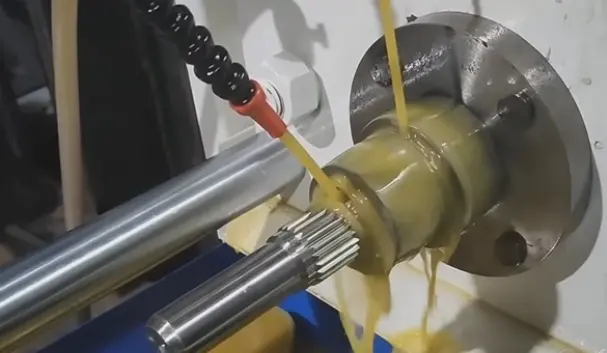
Brass is not chosen by accident. Its inherent machinability, corrosion resistance, and excellent electrical conductivity make it a premier material for components that demand reliability. The free-machining brass alloys, like C36000, allow for high-speed machining with minimal tool wear, directly impacting production efficiency and part cost. But this ease of machining is a double-edged sword; it requires precise control. Without it, you risk work hardening or poor chip formation.
The microstructure of brass directly influences its performance as a machined component. A consistent, fine-grained structure ensures predictable behavior during cutting, leading to stable tolerances and superior surface finishes critical for sealing surfaces or bearing fits. For a spare part, this predictability is everything—it must perform identically to the original, often under the same thermal and mechanical loads.
CNC Lathe vs. Milling for Spare Components: A Strategic Choice
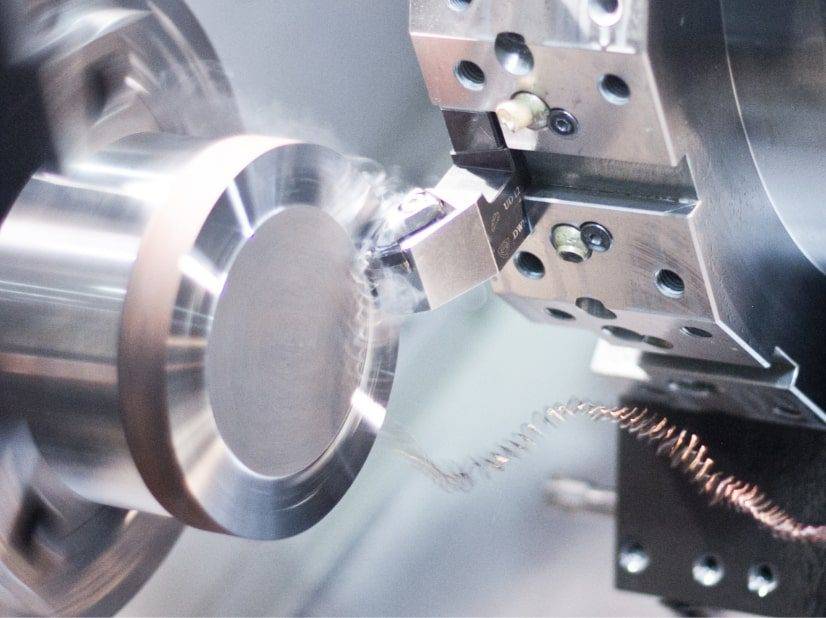
The geometry of the required spare dictates the primary machining process. CNC lathe operations excel at producing rotational symmetry—think bushings, shafts, valve bodies, and threaded connectors. The process is inherently efficient for these forms, offering excellent concentricity and surface finish on diameters. For YPMFG, projects requiring complex external and internal profiles on round stock often start here, where process stability is paramount for long production runs of spares.
CNC milling, conversely, is the master of prismatic and complex 3D shapes. Brackets, housings, gears with complex tooth forms, and components with multiple precision holes or pockets fall into this domain. The strategic use of multi-axis milling can consolidate what were once assemblies into a single, more reliable machined part, eliminating potential failure points. The choice isn’t always binary; many critical spares require a hybrid approach, turning the primary form before moving to a mill for secondary features.
The Hidden Cost Drivers in Precision Part Machining
The unit price is a tiny island in a sea of total lifecycle cost. Have you accounted for everything?
Material Certification: Traceable, certified brass stock ensures batch-to-batch consistency, preventing unexpected machining issues.
First-Article Inspection (FAI): A rigorous FAI process validates the entire manufacturing process, not just the first part. Skipping this risks a batch of unusable components.
Geometric Dimensioning and Tolerancing (GD&T): Properly applied GD&T on the drawing defines how the part functions, not just how it looks. Ambiguity here leads to assembly or functional failures.
Post-Process Finishes: Does your application require plating, passivation, or specific deburring? These steps add cost and time but are non-negotiable for corrosion resistance or safety.
Forget just the piece price. The real expense manifests in expedited freight for a re-order, inventory holding costs for spares that don’t fit, or worst of all, production line stoppage. A partnership with a manufacturer like YPMFG involves upfront engineering review to surface these factors before machining begins.
Selection Criteria for Durable, High-Performance Spares
Choosing a supplier for precision brass components demands a checklist beyond a CapEx quote. Can they demonstrate expertise in your specific alloy? Do they have process control documentation for critical operations like threading or boring? What is their protocol for handling and protecting finished parts to prevent shipping damage? These are the tangible indicators of a capable partner.
The capability to provide custom machining solutions is key. A true spare part often requires replicating an old design with possibly outdated drawings. A supplier must be able to reverse-engineer, offer material substitution advice if the original alloy is obsolete, and suggest design for manufacturability (DFM) improvements that enhance the part’s durability without altering its function. This consultative approach transforms a simple purchase into a value-engineered solution.
Common Pitfalls in Sourcing and How to Avoid Them
The most frequent error is prioritizing the lowest initial cost above all else. This often leads to suppliers cutting corners on tool quality, skip-lapping inspection steps,or using subpar material. The result is dimensional variance, shortened service life, and ultimately, higher total cost. The second pitfall is incomplete specifications. A drawing missing critical surface finish callouts, deburring requirements, or plating specifications is an invitation for mismatch and disappointment.
A third, subtler mistake is not considering the supply chain’s stability. Can your supplier guarantee material availability and maintain consistent lead times? For spares critical to maintenance, repair, and operations (MRO), an unreliable lead time can be as damaging as a bad part. Engaging with a partner like YPMFG early for a manufacturability review of your spare part drawings can identify and mitigate these risks before they become costly problems.
Practical Questions Before Finalizing Your Spare Part Order
What is the lead time for prototype vs. production quantities? Prototypes may be faster, but ensure production runs have a reliable, committed timeline.
What type of material certification is provided with the shipment? A standard mill certificate is good; a full chemical and mechanical test report is better for critical applications.
How do you handle revisions to legacy part drawings? A good partner will document any suggestions or changes made during the manufacturing process for future reference.
What is your process for First-Article Inspection and what report is generated? Look for detailed reports that include actual measured data against every drawing specification.
Can you provide secondary operations like precision cleaning or non-destructive testing? This indicates a full-service capability that ensures the part is ready for installation.
What packaging is used to prevent damage during shipping?
Making a Long-Term Decision on Spare Part Sourcing
The goal is not merely to purchase a replacement component but to secure a predictable, reliable extension of your equipment’s operational life. Every machined brass part you source is a piece of a larger guarantee of uptime and product quality. The technical decisions made in its production—from alloy selection to final inspection—echo through your maintenance schedules and bottom line.
Need a reliable source for precision-machined spares? Send your component drawings or specifications to YPMFG for a comprehensive engineering review and a detailed quote. Our team can provide insights on material selection, optimize the machining process for durability and cost, and ensure your spare parts are manufactured to the exacting standards required for seamless integration and long-term performance.