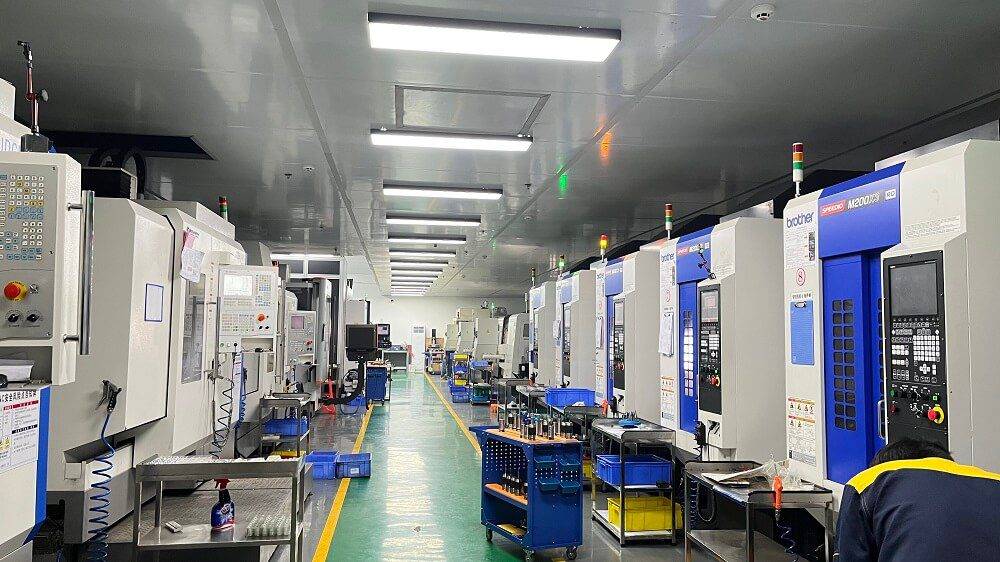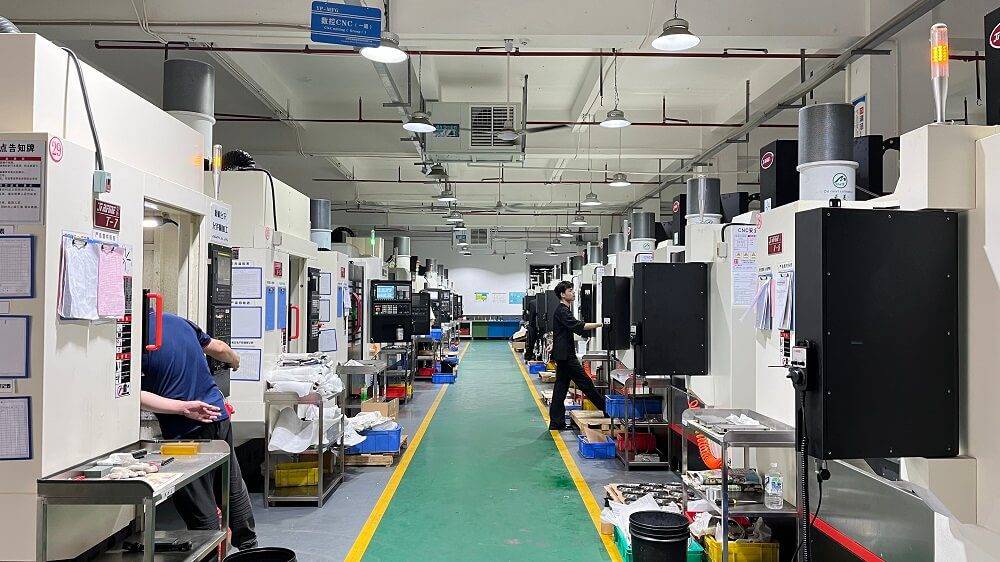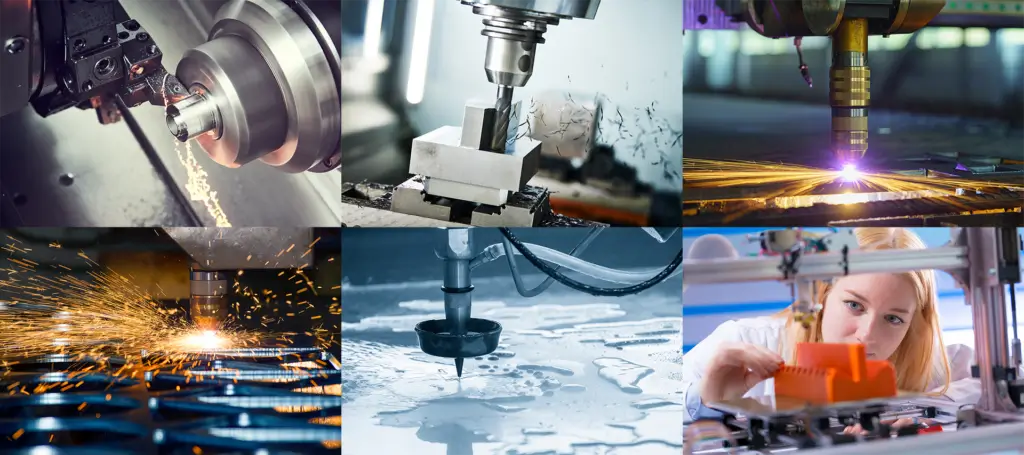
When engineers or procurement managers search for “custom sheet metal fabrication,” they need a clear, actionable guide to get high-quality parts on time and within budget. At YPMFG , we have helped hundreds of clients achieve exactly that. This article covers the essential steps, common pitfalls, cost drivers, and quality benchmarks – so you can make informed decisions and avoid expensive mistakes.
What Is Custom Sheet Metal Fabrication?
Custom sheet metal fabrication is the process of cutting, bending, welding, and assembling flat metal sheets into unique parts or enclosures based on your specific drawings. Unlike mass-produced components, custom fabrication allows you to achieve exact dimensions, hole patterns, bends, and surface finishes for prototypes or low-to-medium volume production runs.
Why You Need a Structured Fabrication Process
Following a proven process reduces errors and ensures consistency. The table below outlines the typical workflow, along with what you – as the buyer – must check at each stage.
The #1 Rule to Avoid Costly Reworks: Design for Manufacturing (DFM)
Over 40% of fabrication issues stem from designs that ignore basic metal-forming rules. A common scenario: a startup designed a complex enclosure with 1 mm inside bend radii on 3 mm thick cold-rolled steel. The result? Cracking and spring-back. After a DFM review, the radius was increased to 5 mm – parts passed testing on the first run. Always ask your fabricator to review your files before cutting metal.
Material Selection – What Works Best for Common Applications
Mild steel (CRS/HRPO) : Low cost, easy to weld – ideal for brackets, chassis, and industrial cabinets.
Stainless steel (304/316) : Excellent corrosion resistance – used in medical devices, food equipment, outdoor enclosures.
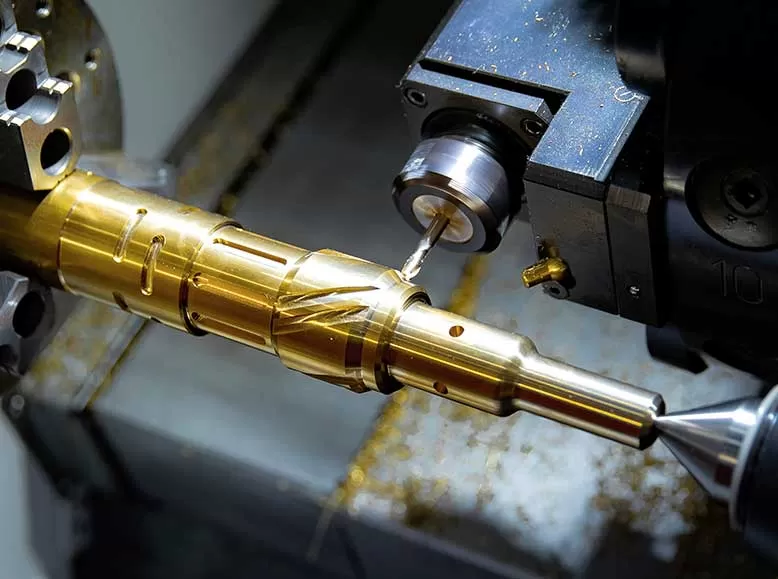
Aluminum (5052/6061) : Lightweight, good thermal conductivity – perfect for electronics housings and aerospace parts.
Copper & brass : High conductivity and aesthetic appeal – for decorative or electrical components.
Real-World Example: Avoiding Surface Finish Failures
A consumer electronics company ordered 500 aluminum enclosures with a clear anodized finish. They sent the parts to a low-cost fabricator who skipped the mechanical polish step. Result: visible extrusion lines and a dull, uneven surface. The entire batch was rejected. By switching to YPMFG , they received a DFM checklist, a polished pre-production sample, and consistent matte anodizing that passed their brand's visual standards.
Cost Drivers – Where Your Money Goes
Understanding cost helps you decide where to optimize. Typical breakdown for a medium-complexity part (100 units):
Material: 30-40%
Laser cutting & punching: 15-20%
Bending & forming: 20-25%
Welding & assembly: 10-15%
Finishing: 10-15%
Tooling & setup: 5-10% (amortized over quantity)
How to Reduce Costs Without Sacrificing Quality
Combine multiple parts into one folded design to reduce welding.
Use standard sheet sizes (eg, 4'x8') to minimize waste.
Relax tight tolerances where not critical (eg, ±0.5 mm instead of ±0.1 mm).
Choose a single finish for all exposed surfaces.
Quality Benchmarks to Demand from Any Fabricator
Every reputable shop should provide:
1. First-article inspection (FAI) report with measured dimensions vs. your drawing.
2. Material certifications (mill test reports).
3. Surface finish samples (gloss, color, and adhesion test).
4. Tolerances that meet ISO 2768 medium or better.
Common Fabrication Problems & Solutions
Why Choose YPMFG for Your Next Custom Sheet Metal Project
After reviewing process, quality, and cost drivers, the final decision rests on finding a partner that executes consistently. YPMFG specializes in low-to-medium volume custom fabrication with full DFM support, rapid prototyping, and certified in-house inspection. Every order includes a free design review, clear lead times, and a first-article sample before mass production.
Actionable Conclusion
To succeed with custom sheet metal fabrication:
Always start with a DFM review.
Select material based on environment, not just price.
Define tolerances and finishes clearly in writing.
Request a first-article sample before full production.
Your next step: Gather your CAD files and a list of required finishes. Contact YPMFG for a no-obligation design review and quote – we will help you turn your concept into durable, dimensionally accurate metal parts.