Aluminum die casting parts are essential components in countless industries, from automotive to consumer electronics. If you are looking for a clear, practical understanding of what these parts are, why manufacturers choose aluminum, and how to select the right parts for your project, you have come to the right place. This guide delivers the core facts, data, and actionable steps you need, based on established industry standards and engineering principles.
01What Are Aluminum Die Casting Parts? A Direct Definition
Aluminum die casting parts are metal components produced by forcing molten aluminum alloy into a reusable steel mold, called a die, under high pressure. This process, known as die casting, allows for the creation of complex, net-shape parts with tight tolerances, smooth surfaces, and high production rates.
According to the North American Die Casting Association (NADCA), die casting is one of the most efficient high-volume manufacturing processes for metal parts. The aluminum alloys used are typically from the 300-series, such as A380, A383, and ADC12, each offering specific balances of strength, corrosion resistance, and castability.
02Why Choose Aluminum for Die Cast Parts? The Core Advantages
Manufacturers across sectors prefer aluminum die casting parts for four primary, measurable reasons:
1. Lightweight Strength: Aluminum has a high strength-to-weight ratio. Typical aluminum die casting alloys have a tensile strength ranging from 310 to 330 MPa, while weighing approximately one-third as much as steel or brass. This makes them ideal for applications where reducing mass is critical, such as in electric vehicle battery housings or portable tool bodies.
2. Excellent Thermal and Electrical Conductivity: Aluminum conducts heat and electricity efficiently. For example, the thermal conductivity of A380 alloy is about 96 W/m·K. This property is why you find aluminum die cast parts in LED lighting heat sinks, power electronics enclosures, and electric motor housings, where managing heat is a primary function.
3. Corrosion Resistance: Aluminum naturally forms a protective oxide layer. Without any surface treatment, many aluminum die casting parts resist corrosion in typical atmospheric and even some chemical environments. For enhanced protection in marine or high-humidity applications, parts can be anodized or powder-coated, processes that bond exceptionally well to aluminum.
4. Cost-Effective for High Volumes: While the initial die is expensive (typically costing between $5,000 and $50,000+ depending on complexity), the per-part cost becomes very low at high volumes. The process is highly automated, producing thousands of parts per day with minimal scrap, as most scrap aluminum can be recycled and reused.
03Common Applications: Real-World Examples
To understand the versatility of aluminum die casting parts, consider these typical cases:
Automotive Industry: A manufacturer of electric vehicles needed a lightweight, rigid housing for a power inverter. They chose aluminum die casting (alloy A380). The part consolidated what would have been 10 stamped and welded steel pieces into a single, complex casting, reducing weight by 40% and assembly time by 80%.
Consumer Electronics: A company designing a high-end laptop required a thin, durable, and heat-dissipating frame. An aluminum die cast part (alloy ADC12) provided the necessary rigidity for the thin profile (wall thickness as low as 1 mm) and efficiently drew heat away from the processor, extending component life.
Industrial Equipment: A manufacturer of pneumatic tools needed a valve body that could withstand high pressure and constant use. An aluminum die cast part (alloy A383) offered the required burst strength, dimensional stability over thousands of operating cycles, and resistance to corrosion from compressed air condensate.
04Key Factors for Selecting the Right Aluminum Die Casting Part
When evaluating or specifying aluminum die casting parts, focus on these five critical aspects. The following table provides a direct comparison of common alloys based on standard NADCA data.
Beyond the alloy, consider these factors:
Dimensional Tolerances: Standard die casting can hold tolerances of ±0.1 mm for the first 25 mm, plus an additional ±0.02 mm for each subsequent 25 mm. Tighter tolerances are possible but will increase cost.
Surface Finish: As-cast surfaces typically have a roughness (Ra) of 0.8 to 1.6 micrometers. For a smoother finish or to prepare for painting, secondary operations like tumbling or light machining are available.
Heat Treatment: Some parts require heat treatment (e.g., T5 or T6 temper) to improve mechanical properties. This is common for structural or safety-critical components. Always confirm if the supplier’s process includes or is compatible with required heat treatments.
Quality Certifications: A reputable supplier should provide certifications, including material test reports (MTR) verifying alloy chemistry, and first article inspection (FAI) reports confirming dimensional accuracy against your print.
05How to Proceed: An Action Plan for Buyers and Engineers
To successfully source aluminum die casting parts, follow this step-by-step action plan:
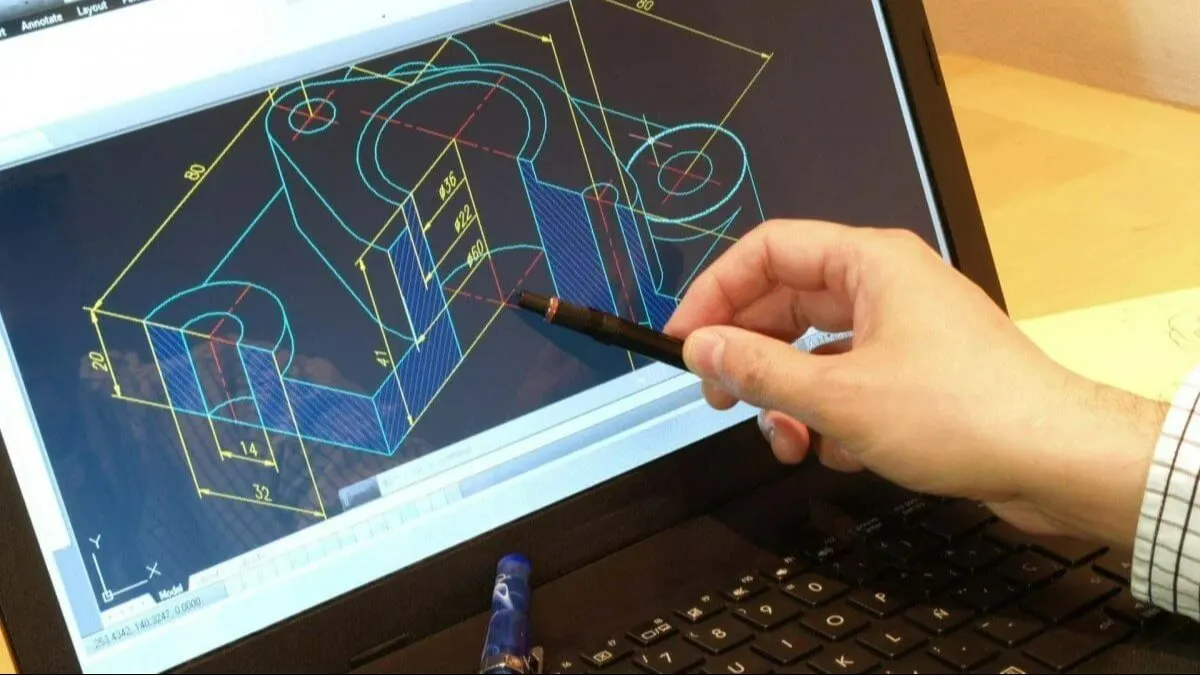
1. Define Your Requirements Completely: Before contacting any supplier, finalize your 2D drawing with critical dimensions, tolerances, and surface finish callouts. Also, specify the required alloy and any secondary operations (machining, plating, heat treating).
2. Verify Supplier Capabilities: Ask potential suppliers for their NADCA certification or equivalent quality system certification (IATF 16949 for automotive,ISO 9001 for general). Request a case study or sample part that demonstrates their ability to hold your required tolerances.
3. Request a Design for Manufacturability (DFM) Review: A qualified supplier will review your part design and suggest modifications to reduce cost and improve quality. Common suggestions include adding draft angles (typically 1-3 degrees), rounding sharp corners, and uniform wall thicknesses.
4. Compare Total Cost, Not Just Part Price: The lowest per-part price can be misleading. Evaluate the total cost including tooling amortization, secondary operations, packaging, shipping, and the supplier’s quality and delivery track record. A higher-priced part with zero defects and on-time delivery is almost always cheaper in the long run.
06Conclusion: The Standard for Quality and Performance
Aluminum die casting parts offer a unique and powerful combination of lightweight construction, strength, thermal management, and cost-effectiveness for high-volume production. The key to success is not simply finding a part, but specifying the correct alloy (like A380 for general use or A360 for marine environments), requiring the right tolerances, and partnering with a certified supplier who provides material and dimensional verification.
Actionable Conclusion: Start your next project by writing a clear specification based on the information in this guide. Then, request DFM reviews and full quality certifications from at least three NADCA-member suppliers. This direct approach will ensure you receive aluminum die casting parts that meet your exact performance requirements while minimizing long-term risk and cost.