Quick answer:
Turning custom CNC machined metal fabrication involves precise rotational cutting to create complex cylindrical parts from raw stock. This process allows for tight tolerances and superior surface finishes compared to standard milling. It is ideal for producing high-volume shafts, bushings, and threaded components with consistent quality.
Buyers often face challenges in balancing cost, lead time, and geometric complexity when sourcing these parts. Understanding the distinct advantages of turning over other methods helps in making informed procurement decisions. The right partner ensures material integrity and dimensional accuracy throughout production.
Turned parts are critical in industries ranging from automotive to medical devices. They require specific expertise in tool selection and machine optimization. YPMFG specializes in delivering high-precision turned components that meet rigorous engineering standards.
Why Choose CNC Turning for Complex Parts?
CNC turning offers unmatched precision for rotational geometries. Unlike milling, which removes material from a stationary block, turning rotates the workpiece against a fixed tool. This method reduces cycle times for symmetrical parts significantly.
The process minimizes tool deflection, resulting in better surface finishes. It also allows for simultaneous operations like drilling and threading. These capabilities make it suitable for intricate designs without secondary processes.
For applications demanding high repeatability, CNC turning is often the optimal choice. It handles various metals with ease, ensuring consistent performance. This reliability reduces waste and lowers overall production costs.
Key Advantages of Custom Metal Fabrication
Custom metal fabrication through turning provides exceptional design flexibility. Engineers can modify diameters, lengths, and thread profiles rapidly. This adaptability supports prototyping and rapid iteration phases effectively.
Material versatility is another major benefit. YPMFG can work with aluminum, steel, brass, titanium, and exotic alloys. Each material requires specific cutting parameters to maintain quality. Proper selection enhances part durability and corrosion resistance.
Precision is maintained within tight tolerances,often down to microns. This level of accuracy is crucial for assembly fitment. It eliminates the need for extensive post-processing steps.
Material Selection and Processing Considerations
Choosing the correct material affects both performance and manufacturability. Aluminum offers lightweight properties and easy machining. Steel provides strength and wear resistance for heavy-duty applications.
Brass is preferred for electrical conductivity and aesthetic appeal. Titanium, while difficult to machine, offers high strength-to-weight ratios. Each material has unique thermal and mechanical properties.
Surface treatments like anodizing or plating may be required. These steps enhance corrosion protection or visual appearance. Ensure compatibility between base material and finish type.
Consulting with engineers early helps optimize material choices. They can suggest alternatives that reduce cost without sacrificing performance. This collaborative approach streamlines the production workflow.
Tolerance and Surface Finish Specifications
Tolerances in CNC turning typically range from ±0.005mm to ±0.025mm. Tighter tolerances require slower feed rates and specialized tools. Surface roughness values depend on tool geometry and speed.
Fine finishes reduce friction and improve seal effectiveness. Rougher finishes may be acceptable for non-critical surfaces. Defining requirements clearly prevents unnecessary expenses.
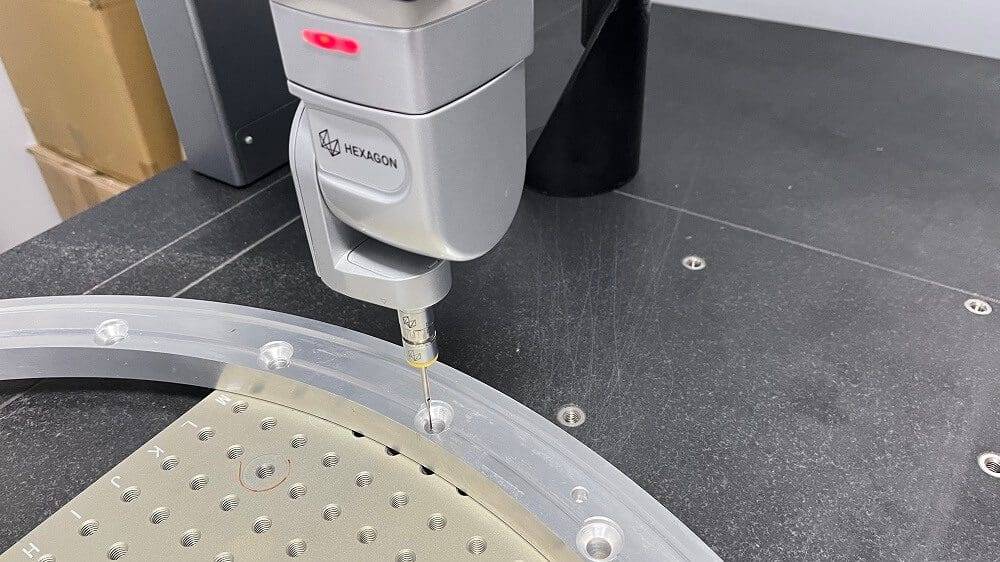
Inspection methods like CMM or optical comparators verify dimensions. Documenting results ensures traceability and quality control. This documentation is vital for regulatory compliance in many sectors.
Cost Factors and Efficiency Drivers
Unit cost is influenced by material waste and setup time. Longer production runs amortize initial setup costs effectively. Complex geometries increase machining time and tool wear.
Minimizing secondary operations lowers total landed cost. Designing parts for manufacturability simplifies the turning process. Standard tooling availability also impacts pricing stability.
Lead times vary based on order volume and material availability. Rush orders often incur premium charges. Planning ahead allows for optimized scheduling and resource allocation.
Quality Assurance and Verification
Robust quality assurance processes ensure consistent part quality. First Article Inspections (FAI) validate initial production runs. Statistical Process Control (SPC) monitors variation during manufacturing.
Certified personnel oversee critical dimensions and surface integrity. Non-destructive testing may be used for defect detection. These measures build trust with end-users and regulators.
YPMFG maintains strict adherence to industry standards. Continuous improvement initiatives drive long-term quality enhancements. Transparent communication keeps clients informed at every stage.
Common Applications Across Industries
Automotive components rely heavily on turned parts for engines and transmissions. Medical devices require sterile, biocompatible materials with high precision. Aerospace uses turned titanium parts for structural integrity.
Electronics benefit from brass connectors and heat sinks. Industrial machinery depends on durable steel shafts and bushings. Each sector has unique performance requirements.
Understanding application context guides material and tolerance selection. Suppliers with diverse industry experience offer valuable insights. This expertise helps avoid potential failure modes.
Challenges in Custom Turning Projects
Complex part geometries may require multi-axis turning centers. Tool access limitations can hinder machining operations. Thin-walled parts are prone to vibration and deformation.
Material hardness increases tool wear and energy consumption. Heat generation during cutting can affect dimensional stability. Proper cooling strategies mitigate these risks effectively.
Addressing these challenges requires advanced programming and skilled operators. Simulation software helps predict issues before production begins. Proactive problem-solving ensures project success.
Selecting the Right Manufacturing Partner
Evaluate suppliers based on technical capability and responsiveness. Review their equipment inventory and workforce expertise. Certifications indicate commitment to quality management systems.
Clear communication channels facilitate issue resolution. Flexible pricing models accommodate varying budget constraints. On-time delivery performance is a key differentiator.
YPMFG prioritizes customer-centric solutions and engineering support. We offer comprehensive documentation and real-time updates. Our team assists in optimizing designs for manufacturability.
Practical Questions Before Choosing CNC Turning
What materials are suitable for my application?
Materials depend on strength, weight, and environmental factors. Consult with engineers to select the optimal alloy for your specific use case.
How do tolerances impact production cost?
Tighter tolerances increase machining time and require precise tooling. Always specify only the necessary precision to balance performance and budget constraints.
Can complex geometries be produced in one setup?
Multi-axis machines allow multiple operations in a single clamping. This reduces handling errors and shortens lead times significantly for intricate parts.
What quality certifications should I look for?
ISO 9001 indicates a robust quality management system. Industry-specific certifications may be required for medical or aerospace applications. Verify these with your supplier.
How do I ensure accurate surface finishes?
Specify roughness values like Ra or Rz clearly. Discuss tool paths and speeds with your manufacturer to achieve the desired aesthetic and functional outcome.
What is the typical lead time for prototypes?
Prototypes usually take 1-3 weeks depending on complexity. Rush services may be available for urgent needs at an additional cost.
Choosing the Right Partner for Precision Parts
Successful CNC turning projects require careful planning and expert execution. From material selection to final inspection, every step matters. Collaborating with a knowledgeable partner reduces risks and enhances outcomes.
YPMFG provides tailored solutions for diverse manufacturing needs. Our engineering team offers guidance on design optimization and cost reduction. We support you from initial concept to final delivery.
Send your specifications to YPMFG for a detailed engineering review. Request a quote to compare our competitive pricing and lead times. Let us help you achieve precision and reliability in your next project.