
Quick answer:
CNC stainless steel machining refers to the precision computer-controlled cutting, shaping, and finishing of stainless steel components. It is widely used across aerospace, medical, food processing, and industrial equipment sectors because stainless steel offers superior corrosion resistance, strength, and hygiene. However, stainless steel is more difficult to machine than aluminum or mild steel due to its hardness, work hardening rate, and heat retention. Selecting the right machining approach, tooling, and material grade is essential for achieving tight tolerances, good surface finish, and cost-effective production.
Stainless steel is one of the most specified materials in precision machining, yet it also causes the most trouble for buyers and engineers. Machining problems, unexpected tool wear, surface defects, and part rejection are common when the wrong grade or process is chosen. For procurement and engineering teams, the challenge is not just finding a shop that claims to machine stainless steel, but one that understands the specific behavior of each grade and can deliver consistent results. YPMFG works daily with stainless steel components across multiple industries, helping buyers avoid common pitfalls and achieve reliable part quality.
Why CNC Machining Stainless Steel Is Different
Stainless steel behaves differently from other common machined materials. Its high tensile strength and low thermal conductivity mean heat stays in the cutting zone, accelerating tool wear. Many stainless steel grades also work-harden quickly, meaning the surface becomes harder as it is cut, which can damage tools and degrade surface finish if feed rates or depths of cut are incorrect.
For buyers, this translates directly into longer cycle times, higher tool costs, and tighter process control requirements. A CNC shop that does not adjust speeds,feeds, and tool paths specifically for stainless steel will produce parts with poor surface finish, burrs, or dimensional variation. Understanding these material properties is the first step in evaluating whether a supplier is truly capable of CNC stainless steel production.
Common Stainless Steel Grades for CNC Machining
Choosing the right stainless steel grade is a critical procurement decision. The grade affects machinability, cost, corrosion resistance, and final part performance. Below are the most commonly machined grades and their typical applications.
For most general-purpose CNC machining projects, 303 offers the best balance of machinability and corrosion resistance. When higher corrosion resistance is required, 304 or 316 are the standard choices, though they require slower cutting speeds and more rigid setups. For applications demanding high strength and hardness, 17-4 PH in the annealed condition is machined first, then heat-treated.
Key Machining Considerations for Stainless Steel
Several factors directly affect the quality, cost, and lead time of machined stainless steel parts. Procurement teams should discuss these with their supplier during the quoting phase.
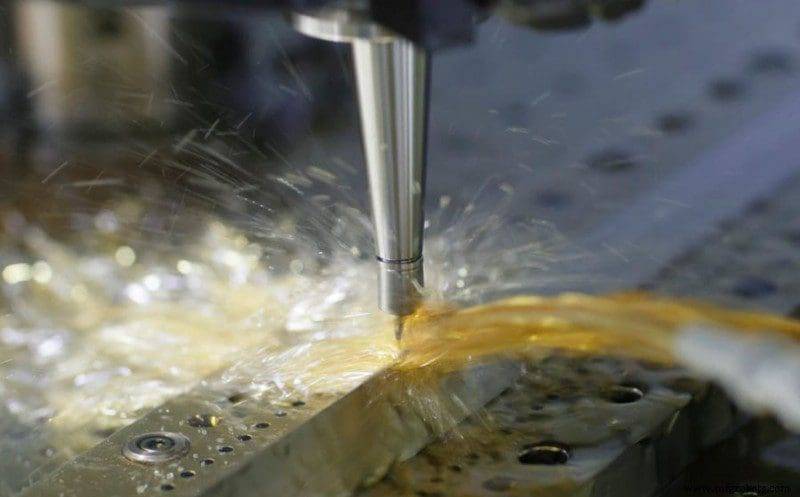
Tool selection matters more for stainless steel than for most other materials. Carbide tools with sharp edges, positive rake angles, and appropriate coatings such as TiAlN or AlTiN help manage heat and reduce work hardening. Using high-speed steel tools or uncoated carbide often leads to rapid edge breakdown and poor surface finish.
Cutting parameters must be adjusted per grade. For example, 303 can be machined at higher speeds and feeds, while 316 requires slower speeds and lighter depths of cut. Incorrect parameters cause built-up edge, poor chip evacuation, and increased cycle time.
Coolant and chip control are non-negotiable. Flood coolant is typically required to control heat and flush chips away from the cutting zone. Without proper cooling, thermal expansion can cause dimensional drift, and stringy chips can wrap around tools or damage the part surface.
A reliable CNC machining service will have documented speeds and feeds for each stainless steel grade and will adjust their approach based on the specific geometry of your part. YPMFG maintains process sheets for each stainless steel grade to ensure repeatable quality across production runs.
Common Mistakes Buyers Make with Stainless Steel Machining
Mistakes in specifying or sourcing machined stainless steel parts often lead to cost overruns, late deliveries, or failed inspection. The most frequent issues include:
Choosing the wrong grade for the application. For example, using 304 when 316 is required for saltwater exposure, or using 303 when weldability is needed.
Assuming all stainless steel machines the same. Each grade has different cutting behavior. A shop that treats 316 like 303 will produce scrap parts.
Ignoring tight tolerances. Stainless steel expands more with heat during machining. Achieving tight tolerances requires temperature-controlled environments or compensation strategies during the cut.
Not accounting for post-machining finishing. Passivation, electropolishing, or bead blasting may be needed to restore corrosion resistance or improve appearance. These steps add cost and lead time.
For procurement teams, reviewing these factors early with your stainless steel machining partner avoids costly changes later in the project.
How to Select a CNC Machining Partner for Stainless Steel
Not every CNC shop is equally equipped to handle stainless steel. The material demands specific equipment, tooling, and experience. When evaluating potential suppliers, ask these questions:
1. What stainless steel grades have you machined recently? A shop with experience on 303, 304, 316, and 17-4 PH is better prepared than one that only runs aluminum.
2. Do you have documented feeds and speeds for each grade? This indicates process control, not guesswork.
3. What coolant and chip management systems do you use? Flood coolant and proper chip breakers are essential for stainless steel.
4. Can you provide surface finish data or passivation documentation? Corrosion resistance and appearance often require verification.
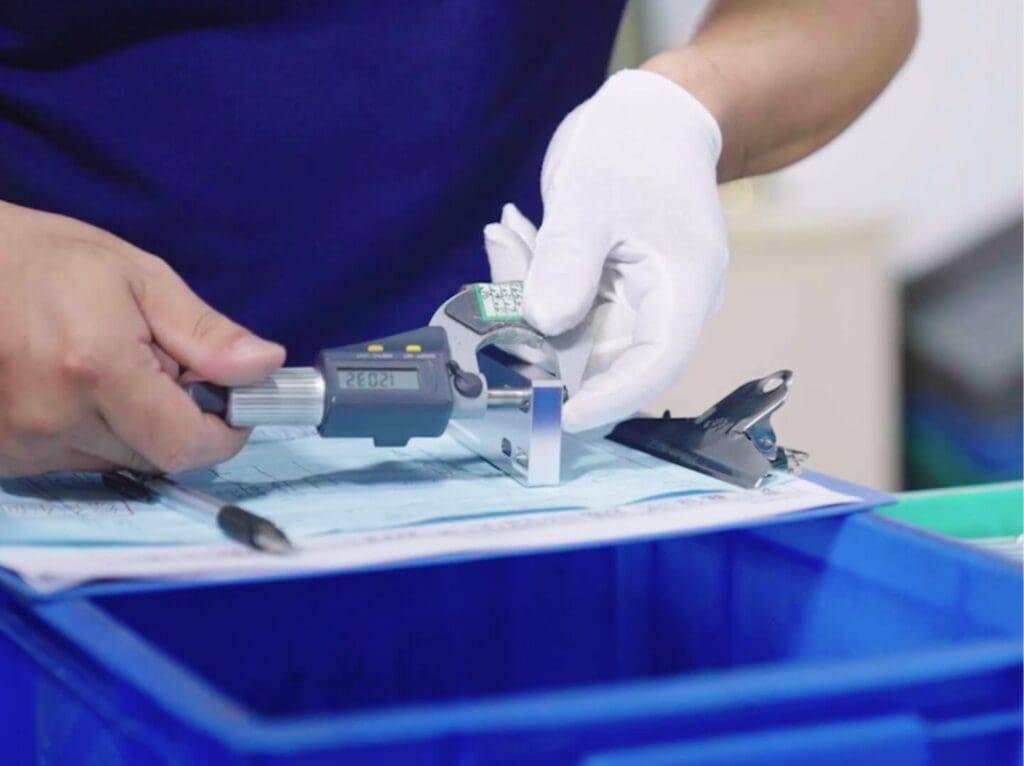
5. What is your approach to holding tight tolerances on stainless steel? Look for answers about thermal compensation, rigid fixturing, and in-process inspection.
6. Do you offer prototype or low-volume runs before full production? Testing a few parts first reduces risk on complex or high-cost projects.
YPMFG regularly supports projects that require custom stainless steel machining, offering engineering review of the material grade, tool path strategy, and finishing requirements before production begins.
Questions Buyers Often Ask About CNC Stainless Steel Machining
Can stainless steel be machined to the same tolerances as aluminum?
Yes, but with more care. Stainless steel requires slower speeds, rigid setups, and proper coolant. Tolerances of ±0.001 inch are achievable on most grades when the machining parameters are correctly set. Thermal expansion must be managed during longer cuts.
What is the most cost-effective stainless steel grade for machining?
For most applications, 303 stainless steel offers the lowest machining cost due to its excellent machinability. However, the part’s functional requirements should always drive grade selection. Choosing 303 for a marine environment would fail regardless of cost savings.
Does stainless steel require post-machining passivation?
In many cases, yes. Machining can remove the protective oxide layer and leave iron particles on the surface. Passivation restores corrosion resistance and is often required for medical, food, and pharmaceutical applications. Always confirm the specification with your customer or regulatory body.
How long does a typical CNC stainless steel project take?
Lead times depend on part complexity, quantity, grade, and tolerance requirements. Simple parts in 303 can be machined in days. Complex geometries in 316 or 17-4 PH may require weeks, especially if heat treatment or finishing is involved. Requesting a lead time estimate with material and process details is recommended.
Can you machine stainless steel parts with complex internal features?
Yes, but design for manufacturability becomes more important. Deep holes, tight internal radii, and thin walls require specialized tooling and slower feeds. Providing a 3D model and discussing critical features with the machinist helps avoid tool breakage or dimensional issues.
What causes surface roughness on machined stainless steel?
Common causes include dull tooling, incorrect feed rates, insufficient coolant, or work hardening of the material. If surface roughness is critical, specify the required Ra value and ask your supplier to verify with a profilometer during first article inspection.
Choosing the Right Stainless Steel Machining Approach for Your Project
Matching the material grade, machining process, and finishing requirements to your application is the most effective way to control cost and quality. Whether you need a small batch of prototypes or full production quantities, the supplier’s experience with stainless steel directly affects your project outcome.
If you are planning a new project or reviewing an existing design, sending your specifications to YPMFG for an engineering review can help identify potential machining issues early. Their team can advise on grade selection, tolerances, tool path optimization, and surface finishing options to ensure your parts meet functional and budget requirements.