
Quick answer:
A metal stamping punch is a hardened tool used to cut or form holes in sheet metal via a press.
Selecting the right punch depends primarily on material thickness, tensile strength, and required tolerance.
Incorrect selection leads to premature wear, burrs, or misaligned parts, increasing production costs significantly.
Choosing the correct metal stamping punch is critical for maintaining part quality and operational efficiency.
Buyers often focus solely on initial unit price while ignoring total lifecycle expenses.
This approach frequently results in higher scrap rates and frequent downtime for tool replacement.
YPMFG understands that precision in CNC components manufacturing extends beyond simple machining to include tooling expertise.
We help engineers align punch geometry with specific material properties to ensure consistent performance.
Understanding Punch Geometry and Design
The design of a punch dictates how force is applied to the workpiece during the stamping process.
Standard punches feature a flat bottom, while progressive dies often use angled or stepped geometries.
An improper angle can cause uneven stress distribution, leading to early fracture or deformation.
Engineers must verify the punch clearance relative to material thickness before finalizing designs.
Typical clearance ranges from 5% to 10% of material thickness, depending on the alloy.
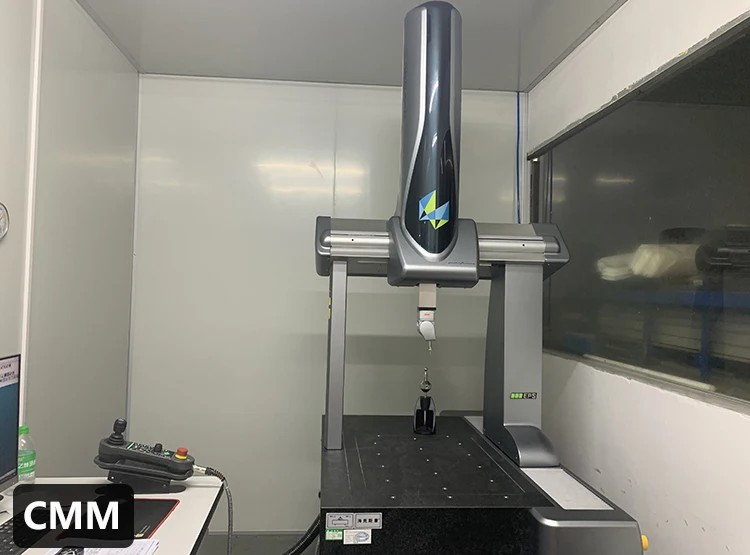
YPMFG provides detailed engineering assessments to validate these critical dimensional parameters.
Material Selection for Durability
Punch materials must withstand high impact forces and abrasive contact with various metals.
Common choices include tungsten carbide, high-speed steel, and specialized tool steels like D2 or M2.
Carbide offers superior hardness and wear resistance but is more brittle under shock loading.
High-speed steel provides better toughness, making it suitable for thicker or harder materials.
Selecting the wrong material can result in chipping, cracking, or excessive surface degradation.
Our team assists in evaluating CNC machining services requirements to recommend optimal tooling solutions.
Impact of Surface Finish and Coatings
Surface treatments play a vital role in reducing friction and preventing galling during operation.
Nitriding, PVD coatings, or DLC layers can significantly extend punch service life.
These coatings reduce the coefficient of friction, allowing for smoother material flow through the die.
Without proper treatment, adhesive wear may occur, especially when stamping aluminum or stainless steel.
This wear manifests as built-up edge, which ruins part surface quality and accuracy.
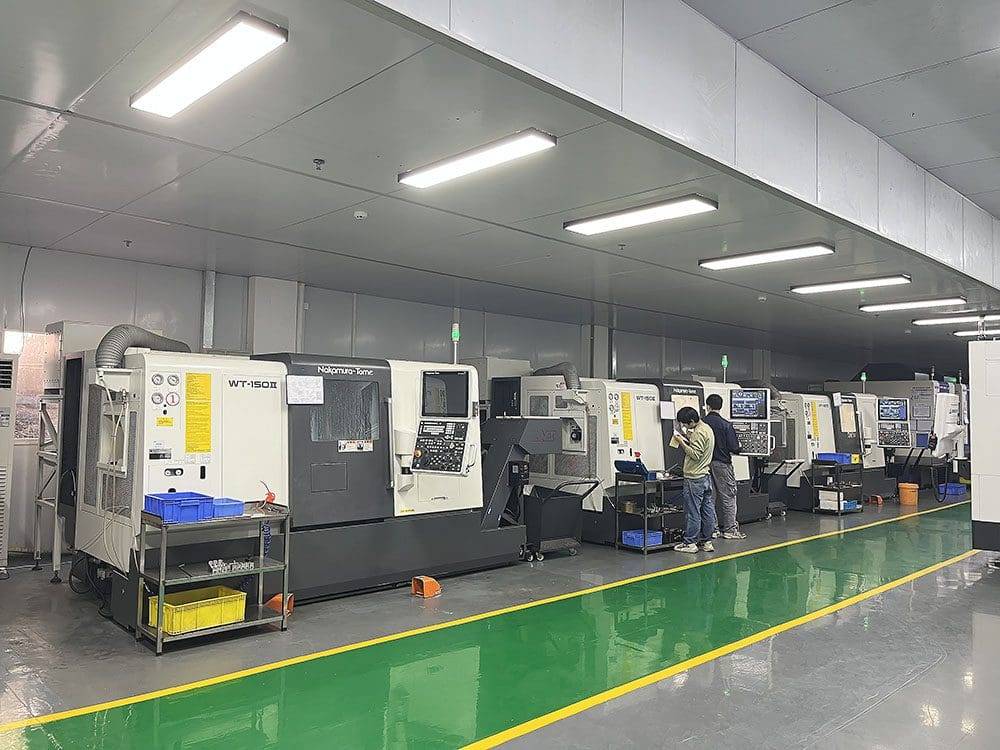
YPMFG ensures that all custom CNC parts meet strict surface finish specifications for reliability.
Common Manufacturing Defects and Causes
Identifying defects early helps prevent costly production stops and material waste.
Burrs on the punched hole often indicate excessive clearance or dull cutting edges.
Misalignment issues usually stem from improper punch guidance or worn guide pins.
Ejection failures may require adjustments to stripper plate pressure or air blow systems.
Regular inspection of precision CNC machining tools can mitigate these risks effectively.
Our engineering support includes troubleshooting guides to help maintain consistent output quality.
Cost Factors in Punch Procurement
Initial purchase price is only one component of the total ownership cost.
Factors such as expected lifespan, maintenance frequency, and replacement lead time matter greatly.
Cheaper punches may fail prematurely, leading to higher labor costs for frequent changes.
Investing in high-quality CNC component manufacturing tools reduces long-term operational expenditures.
Price variations also depend on complexity,tolerances, and material grades selected.
Request a detailed quote to compare total value rather than just unit costs.
Practical Questions Before Choosing a Punch
What determines the lifespan of a stamping punch?
Lifespan depends on material hardness, coating quality, and operating conditions like speed and pressure.
Can I use standard punches for non-standard materials?
Standard punches may fail with exotic alloys; custom geometries and materials are often required.
How often should punch clearance be checked?
Clearance should be verified during routine maintenance or whenever part quality shows deviation.
What is the typical lead time for custom punches?
Lead times vary based on complexity but typically range from two to four weeks.
Does YPMFG offer prototype testing for new tooling?
Yes, we support rapid prototyping and sample testing to validate designs before mass production.
Need Help Selecting the Right Tooling?
Choosing the optimal metal stamping punch requires balancing technical specifications with economic goals.
YPMFG supports projects requiring precise CNC parts manufacturing with comprehensive engineering evaluation.
Send your specifications to get actionable advice on material selection and design optimization.
Contact us to request a quote and explore tailored solutions for your production needs.