When you need metal CNC services for custom parts,the right choice directly impacts your product quality, lead time, and total cost. This guide gives you the actionable steps to evaluate and select a metal CNC machining provider that meets your exact specifications.
01What Are Metal CNC Services?
Metal CNC (Computer Numerical Control) services refer to automated machining processes where pre-programmed software controls factory tools and machinery to cut, drill, mill, turn, or shape metal workpieces into finished parts. Common processes include:
CNC Milling – for complex geometries, slots, and holes
CNC Turning – for cylindrical components like shafts and bushings
CNC Drilling & Tapping – for precision hole patterns and threads
Multi-axis Machining (3-axis, 4-axis, 5-axis) – for intricate, high-tolerance parts
02Why Metal CNC Services Matter for Your Project
Precision, repeatability, and material versatility are the three pillars. For example, a medical device manufacturer needing 316L stainless steel bone screw prototypes requires tolerances of ±0.005 mm. Without verified CNC capabilities, such parts would fail functional testing. In another common case, an automotive supplier producing 500 aluminum transmission housings per month needs consistent surface finishes (Ra ≤ 1.6 µm) and just-in-time delivery. Metal CNC services solve these exact challenges.
03Key Factors to Evaluate Any Metal CNC Service Provider
Use the following checklist. Missing any one of these can lead to scrapped parts or delayed production.
1. Material Capabilities
Does the shop stock or source the metal you need? Common alloys include:
Aluminum (6061, 7075, 2024)
Stainless steel (303, 304, 316, 17-4 PH)
Carbon steel (1018, 4140, A36)
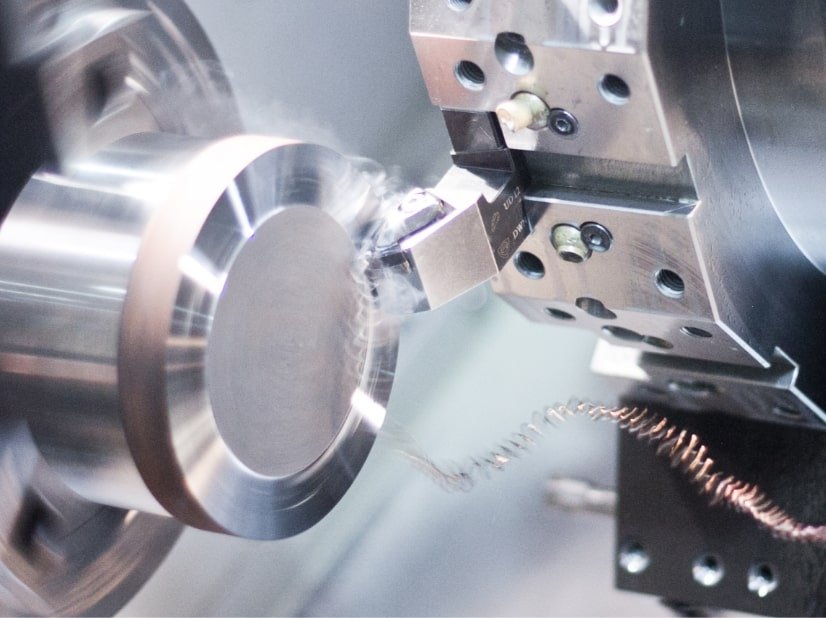
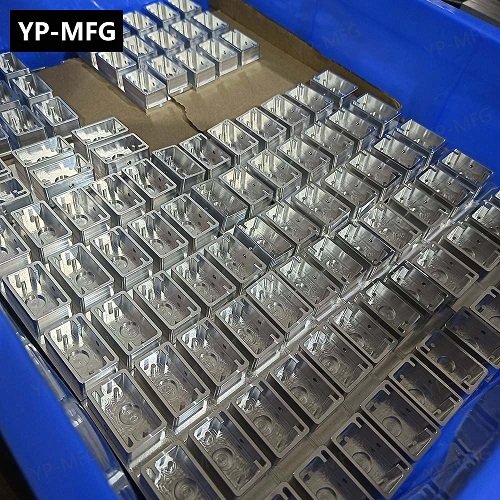
Brass, copper, titanium (Grade 2, Grade 5), Inconel, and tool steels.
Ask for material certificates (e.g., Mill Test Reports per EN 10204 3.1) to verify grade authenticity.
2. Tolerances and Quality Control
Standard CNC machining holds ±0.005″ to ±0.001″ (≈ ±0.13 mm to ±0.025 mm). High-precision work can reach ±0.0002″ (≈ ±0.005 mm).
Require a documented quality plan:
First Article Inspection (FAI) per AS9102 for aerospace/defense parts
In-process inspections and final CMM (Coordinate Measuring Machine) reports.
Check for ISO 9001:2015 certification as a minimum; for medical or aerospace, seek AS9100D or ISO 13485.
3. Equipment and Capacity
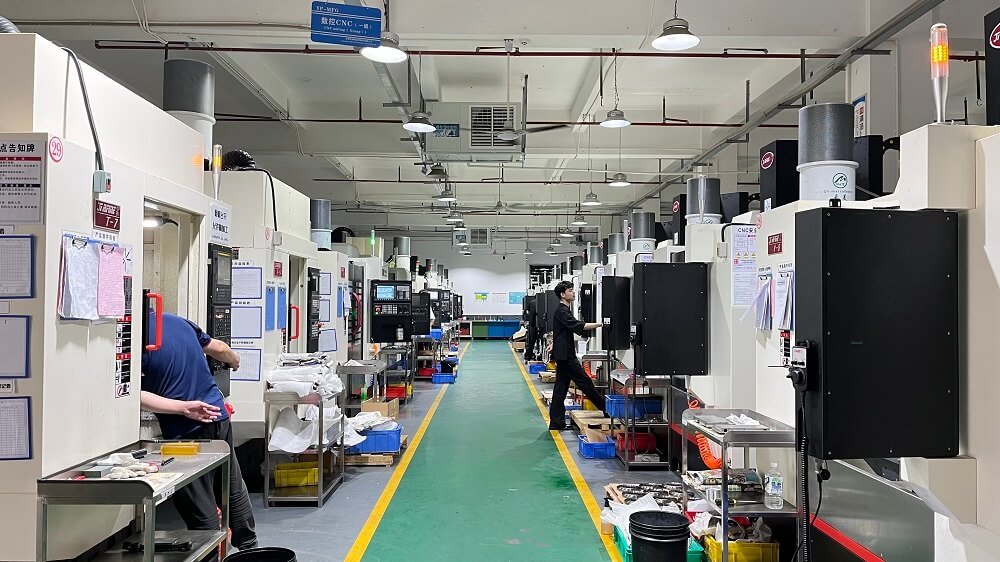
Ask for a machine list: 3-axis, 4-axis, 5-axis mills, Swiss-type lathes, and live-tooling lathes.
Maximum part size (work envelope) – e.g., 800 x 500 x 400 mm.
For high volumes, confirm they have automatic bar feeders and multiple shifts.
4. Lead Time and Communication
Typical prototyping lead times: 5–10 business days for simple parts, 15–20 for complex.
Production runs: 2–4 weeks depending on volume.
Clear point of contact and a digital tracking system (e.g., online portal with real-time status).
5. Secondary Operations and Finishes
Many parts need more than machining:
Deburring, heat treating, anodizing (Type II/III), plating (zinc, nickel, chrome), powder coating, passivation (for stainless steel).
Verify if these are done in-house or through audited partners – this avoids split responsibility.
04Common Real-World Examples (No Brand Names)
Example A – Aerospace Bracket
A drone manufacturer needed 50 units of a 7075 aluminum bracket with internal cooling channels. The part required 5-axis machining and tolerances of ±0.01 mm on four bore diameters. After requesting sample run and CMM reports, they selected a shop with AS9100D certification and existing aerospace references. The first article passed inspection, and full order delivered in 12 days.
Example B – Automotive Sensor Housing
An engineering firm needed 2,000 brass housings with threaded holes (M4 x 0.7) and a surface finish of 32 microinches. They compared three CNC service providers. Only one provided a detailed process control plan and a sample part before mass production. That shop also offered automated optical inspection for every 100th part. Result: zero rejects in the first batch.
Example C – Industrial Robot Arm
A startup developing a collaborative robot needed five-axis machined 6061 aluminum arm links with integrated bearing pockets. The first provider they tried delivered parts with mismatched hole patterns (0.2 mm off). The second provider asked for a full 3D model and tolerance stack-up analysis, then suggested a fixture design change. That second provider delivered perfect parts with full dimensional reports – saving three weeks of rework.
05How to Get a Reliable Quote for Metal CNC Services
Follow this exact 4-step process:
1. Prepare a complete technical package:
STEP or IGES 3D file, 2D drawing with GD&T (Geometric Dimensioning and Tolerancing), material spec, quantity, and required finish.
2. Send your package to at least three service providers with a clear RFQ (Request for Quote). Ask each for:
Unit price, setup cost, and tooling cost (if any)
Estimated lead time
Quality certifications and sample inspection report of a similar part
3. Compare apples to apples – a lower unit price may hide high setup fees or lack of inspection. Request a sample run (often 1–5 pieces) before full production for critical tolerances.
4. Sign a clear purchase order that includes: material certification requirement, acceptance criteria (e.g., CMM report for all critical dimensions), packaging standard, and shipping terms (Incoterms).
06Red Flags to Avoid
No certification or refusal to share quality documents – immediate disqualification.
Vague lead times (“as soon as possible”) without a written schedule.
Unable to provide a sample part or reference case study with similar materials/tolerances.
Only accepts bank transfer with no credit or purchase order terms – higher risk for small shops.
07Final Recommendation and Action Steps
Core conclusion repeated: The success of your metal CNC project depends on verifying three things before ordering – material certificates, measured tolerance reports from a similar part, and a clear quality control plan.
Action steps for you today:
1. Audit your part design for manufacturability (avoid unnecessary tight tolerances).
2. Use the checklist above to screen three CNC service providers.
3. Request a sample first article inspection report from your top candidate.
4. Start with a prototype run (5–20 pieces) before committing to mass production.
By following this guide, you eliminate guesswork and ensure your metal CNC services deliver precision parts on time, every time.