With the continuous development of the manufacturing industry, housing parts have become an essential component of various mechanical equipment, and their machining processes have become increasingly precise. This article explores in depth the key processes, technologies, and importance of housing parts machining in modern manufacturing.
In mechanical engineering, housing parts play a crucial role not only providing external protection but also serving as the main support and positioning structure for internal mechanical components. Therefore, the machining process of housing parts is of vital importance, as it directly affects the overall performance and service life of the equipment.
Table of Contents
1. Structural Characteristics and Design Requirements of Housing Components
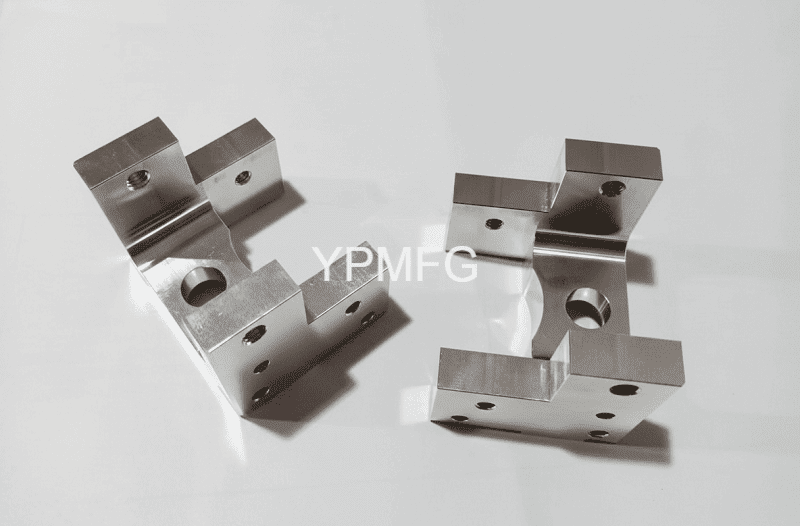
Housing components typically feature a hollow structure, containing multiple cavities, partitions, threaded holes, support ribs, and assembly surfaces. They are complex in shape and compact in spatial arrangement. These components serve not only as mounting and support carriers within mechanical systems but also as critical structures for force transmission and protection of internal elements. Their design must meet strength, rigidity, and sealing requirements while also considering manufacturability and ease of assembly.
Due to their complex structure, large dimensions, and high precision requirements, the design and machining of housing components are closely linked. Even minor structural variations can significantly affect subsequent manufacturing processes and assembly accuracy.

During the design and manufacturing process, the following factors should be given special attention:
1. Consistency of Machining References:
Properly aligning the positioning references with the design references is essential to ensure assembly accuracy and interchangeability of components. Symmetrical structures should be adopted whenever possible to reduce cumulative positioning errors. A common practice is to use main assembly surfaces, axes, or hole systems as unified references to improve overall machining and inspection consistency.
2. Wall Thickness and Heat Dissipation Design:
Uneven wall thickness is a primary cause of machining deformation and localized thermal stress. The design should maintain uniform wall thickness, avoiding excessively thick or thin areas while ensuring strength. For electronic devices or high-heat-load components, auxiliary structures such as cooling ribs and ventilation slots should be incorporated to enhance thermal conductivity and reduce thermal deformation.
3. Balance of Lightweight and Rigidity:
In automotive and aerospace applications, reducing the weight of housing components is crucial. Structural optimization can remove unnecessary material while maintaining sufficient strength. Consideration should also be given to vibration and operational stability to prevent issues caused by thin walls or insufficient support, which could lead to vibration or noise problems.
4. Assembly and Sealing Requirements:
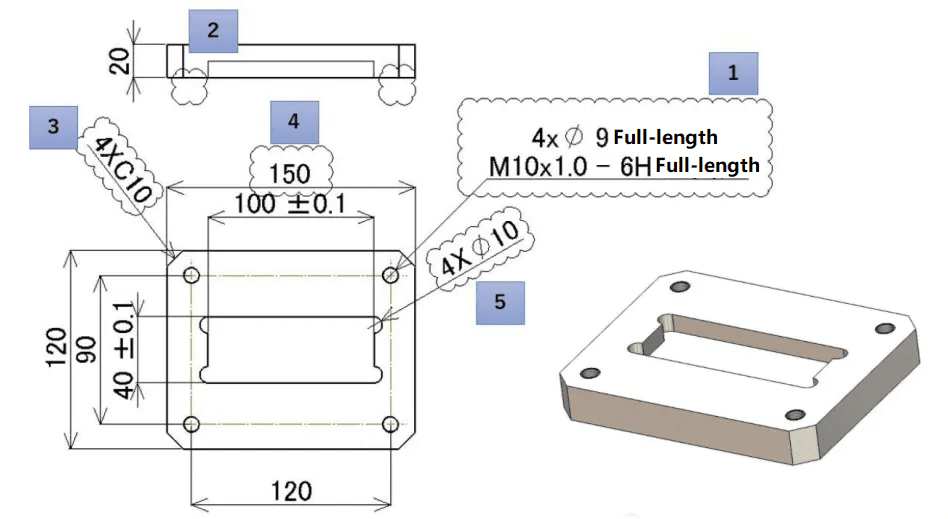
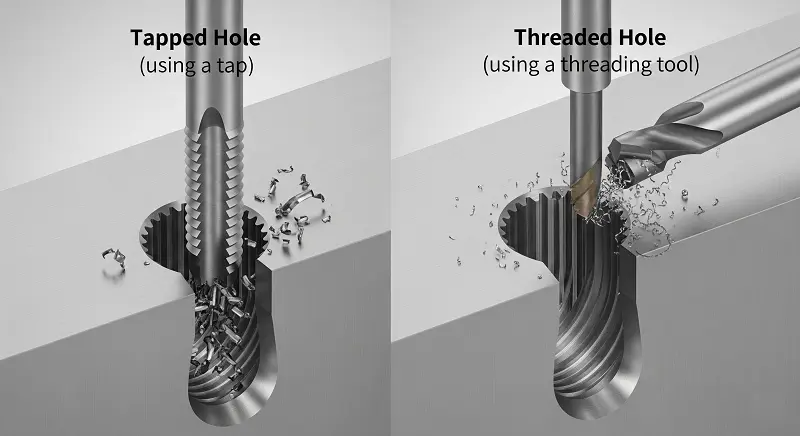
Housing components often need precise fits or sealing interfaces with other structures, such as flanges, bearing seats, or seal grooves. The accuracy and surface quality of these areas directly affect the system’s sealing performance and operational stability. Particularly in aerospace and automotive transmission systems, indicators such as threaded hole positions, coaxiality, and flatness must be controlled to the micron level.
5. Manufacturability and Collaborative Design:
Design must fully consider CNC machining characteristics, avoiding deep cavities, blind holes, or sharp angles that are difficult for tools to access. Process-oriented design (Design for Manufacturing, DFM) should take into account machine travel, tool length, and fixture space to ensure that the design meets performance requirements while allowing efficient and stable machining.
6. Structural Stability and Deformation Resistance:
For large housing components, reinforcement ribs or local stiffeners should be added at key positions to improve overall rigidity. Before machining, strategies such as leaving machining allowances and performing symmetrical cuts can reduce deformation caused by stress release. Additionally, the design should consider the effects of subsequent heat treatment and surface finishing on structural stability.
2. Machining Process of Housing Parts
1. CAD Design and CNC Programming
The first step in machining housing parts is CAD design, which defines the geometry of the component through precise 3D modeling. Then, CNC programming converts the CAD model into machine-readable codes, laying the foundation for subsequent machining. The accuracy at this stage directly affects the final quality of the part.
2. Material Selection and Cutting Process
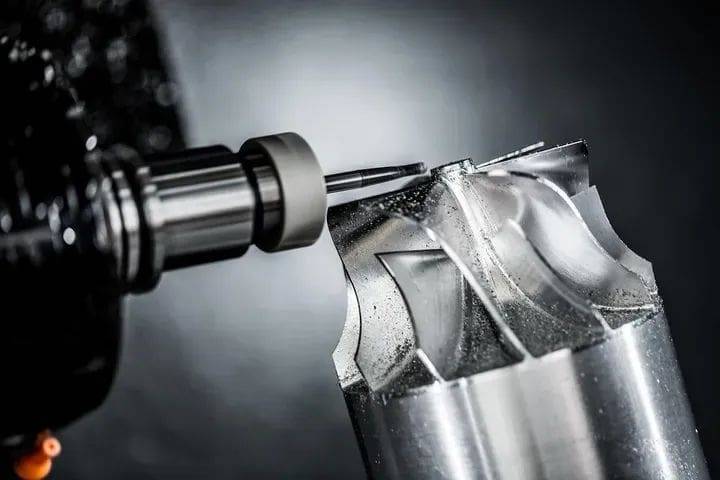
Selecting the right material is a critical step in housing parts machining. Different applications require materials with varying strength, corrosion resistance, and thermal conductivity. The cutting process design — including tool selection, cutting speed, and feed rate, directly determines machining efficiency and surface finish quality.
3. Machine Tool Selection and Clamping
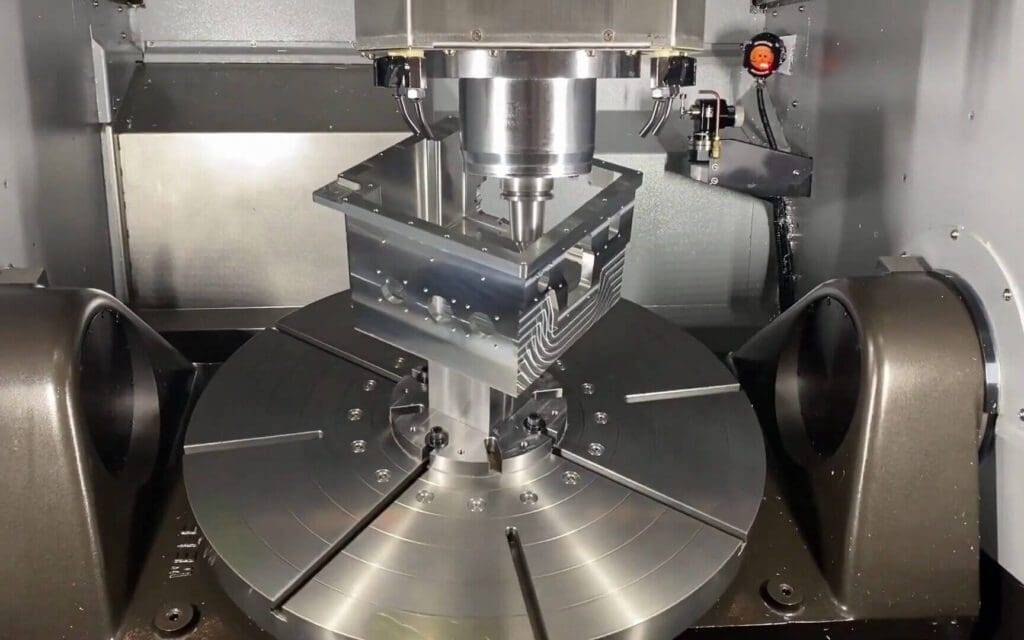
Choosing the proper CNC machine tool is key to achieving precision machining. High-precision and high-rigidity machines ensure dimensional accuracy and stability. At the same time, a well-designed clamping solution guarantees proper fixation of the part, contributing to a smooth and accurate machining process.
4. Tool Path Planning and Machining Parameter Setup
Effective tool path planning defines optimal cutting trajectories, avoiding unnecessary movements and improving machining efficiency. Meanwhile, appropriate machining parameters — such as cutting speed, feed rate, and cutting depth, maximize machine performance and ensure part accuracy and surface quality.
5. Quality Inspection and Testing
Quality inspection is the final stage of the housing parts machining process and a critical step to ensure precision. Using advanced measuring equipment, each part is thoroughly inspected for dimensions, geometry, and surface roughness to ensure full compliance with design specifications.
3. Precision Control and Deformation Prevention Techniques
In the machining of housing components, ensuring dimensional accuracy and geometric tolerances is critical. The main factors affecting precision include material stress relief, thermal deformation caused by cutting heat, and deformation induced by clamping methods. To address these issues, manufacturers typically implement a variety of technical measures to ensure that the final parts meet design requirements.
• Pre-treatment and Aging Processes
Housing components are often made from castings or forgings, which may contain residual stresses. Pre-machining treatments such as artificial aging (heat treatment) or natural aging (static holding) can effectively release internal stresses, reducing the risk of deformation and warping during machining. This step is especially important for thin-walled or large housing parts.
• Temperature-Controlled Machining Environment
During cutting, tool friction and machine operation generate heat, causing minor dimensional changes. Maintaining a stable workshop temperature (with fluctuations controlled within ±1°C) and localized thermal control of the machine can significantly reduce errors from thermal expansion and contraction, ensuring consistent machining dimensions.
• Multi-Station Fixture Design
Proper fixture design is key to preventing machining deformation. Using unified reference points and multi-point supports can minimize re-clamping errors between different machining operations. Additionally, flexible fixtures and elastic supports help maintain secure positioning while reducing local stress concentrations, lowering the risk of warping and deformation.
• Stepwise Rough and Finish Machining Strategy
For complex housing components, a stepwise approach “rough machining → allowance leaving → semi-finish machining → finish machining” is often employed. During rough machining, most excess material is removed while leaving machining allowance for subsequent finishing. This allows fine corrections after minor deformations caused by stress release. This strategy not only ensures final precision but also extends tool life and improves machining efficiency.
• Online Inspection and Error Compensation
With the advancement of smart manufacturing, more factories are using laser probes, coordinate measuring machines (CMM), or online sensors for real-time inspection of machined parts. Software-based automatic compensation of deviations enables timely adjustment of tool paths or cutting parameters during machining, achieving consistent and stable accuracy. This closed-loop control not only improves yield but also significantly reduces rework costs.
4. Application Areas and Typical Housing Parts
1. Automotive Industry
Housing components are widely used in automotive manufacturing. Typical parts include:
- Engine Hood (Bonnet): Protects and covers the engine, designed for strength and lightweight performance.
- Trunk Lid: Covers and protects the vehicle’s trunk, with high requirements for both appearance and structural integrity.

2. Electronics Industry
In electronic device manufacturing, housing components are used to protect internal electronic elements and ensure proper operation. Typical parts include:
- Chassis: Serves as the main casing of a computer, providing mechanical support and electromagnetic shielding for internal electronic components.
- Control Box: Houses various control devices and electronic components, commonly used in industrial automation equipment.
3. Industrial Machinery
In industrial machinery, housing components are commonly used to enclose and secure internal machine elements. Typical parts include:
- Electrical Control Cabinet: Provides installation, fixation, and connectivity for electrical components, essential for the normal operation of factory equipment.
- Control Panel: Contains various operational and monitoring elements, enabling centralized control of industrial equipment.

4. Aerospace Industry
In aerospace, housing components are used in the structures and systems of aircraft and spacecraft. Typical parts include:
- Fuselage Shell: Serves as the outer shell of an aircraft or spacecraft, enclosing the passenger and cargo compartments; critical for aerodynamic performance and structural strength.
- Equipment Bay: Houses various instruments and equipment, ensuring the proper operation of all onboard systems.
5. Medical Equipment
In medical device manufacturing, housing components are used to enclose and protect internal medical equipment and instruments. Typical parts include:
- Medical Equipment Enclosure: Protects internal components of medical devices such as scanners and diagnostic equipment.
- Patient Monitor Casing: Serves as the outer housing of patient monitoring devices, ensuring the safety and reliability of internal electronic components.
In summary, the machining of housing components is a highly precise, multi-stage process. The accuracy of each step directly affects the quality of the final parts. In today’s rapidly advancing manufacturing industry, optimizing and innovating housing component machining processes can help improve overall production capabilities and drive continuous progress within the sector. Therefore, for manufacturers engaged in housing part production, continuously adopting new technologies and refining process workflows is a key factor in achieving and maintaining market competitiveness.